For many, managing period pain is a monthly puzzle. We often rely on advice passed between friends or quick fixes found online, only to find the relief is temporary or incomplete. The experience can leave you feeling like you’re just enduring the cycle rather than navigating it with ease. Understanding where our usual strategies fall short is the first step toward more consistent and effective comfort.
Let’s look at some common missteps in handling menstrual discomfort and explore practical, evidence-informed adjustments that can make a noticeable difference.
Waiting Until the Pain Is Severe
One of the most frequent mistakes is adopting a “wait and see” approach. You feel the first twinge of cramping and decide to tough it out, hoping it will pass. By the time you reach for a heating pad or pain reliever, the prostaglandins—the hormone-like compounds that trigger uterine contractions—have already surged, making pain harder to control.
Think of pain management like putting out a small fire before it becomes a blaze.
Starting your chosen method of relief at the very first sign of discomfort, or even prophylactically if your cycle is predictable, can prevent pain from reaching its peak intensity. This proactive strategy is often more effective than reacting to severe pain.
Relying Solely on Medication Without Supporting Strategies
Over-the-counter nonsteroidal anti-inflammatory drugs (NSAIDs) like ibuprofen or naproxen are excellent tools. They work by reducing the production of those cramp-causing prostaglandins. However, using them in isolation, while ignoring the body’s other needs, is a missed opportunity for more holistic relief.
Pain is a whole-body signal. Supporting your system can amplify the effects of medication or, for some, reduce the need for it. Consider pairing your pain relief plan with:
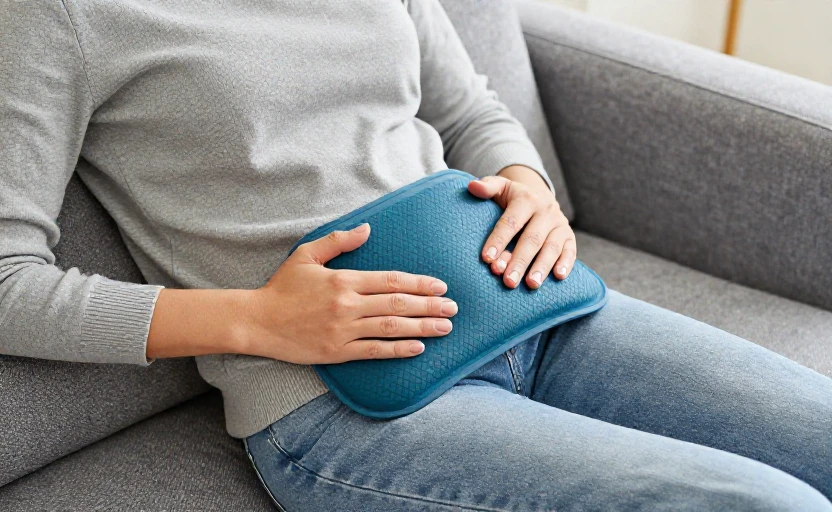
- Gentle heat: A heating pad or hot water bottle on your lower abdomen increases blood flow and relaxes contracting muscles, offering direct, drug-free comfort.
- Hydration: Dehydration can exacerbate feelings of fatigue and bloating. Drinking water consistently helps your body function more smoothly.
- Mindful movement: Light activity like walking or gentle stretching can release endorphins, your body’s natural pain relievers, and ease muscle tension.
Neglecting Diet and Hydration Throughout Your Cycle
What you eat and drink in the days leading up to your period can set the stage for your experience. It’s not about a single “magic” food, but about consistent patterns that support or stress your body.
Common nutritional missteps include consuming high amounts of:
- Salt: Can increase water retention and bloating.
- Refined sugars and processed foods: May contribute to inflammation and energy crashes.
- Caffeine and alcohol: Can disrupt sleep and potentially worsen anxiety or breast tenderness for some.
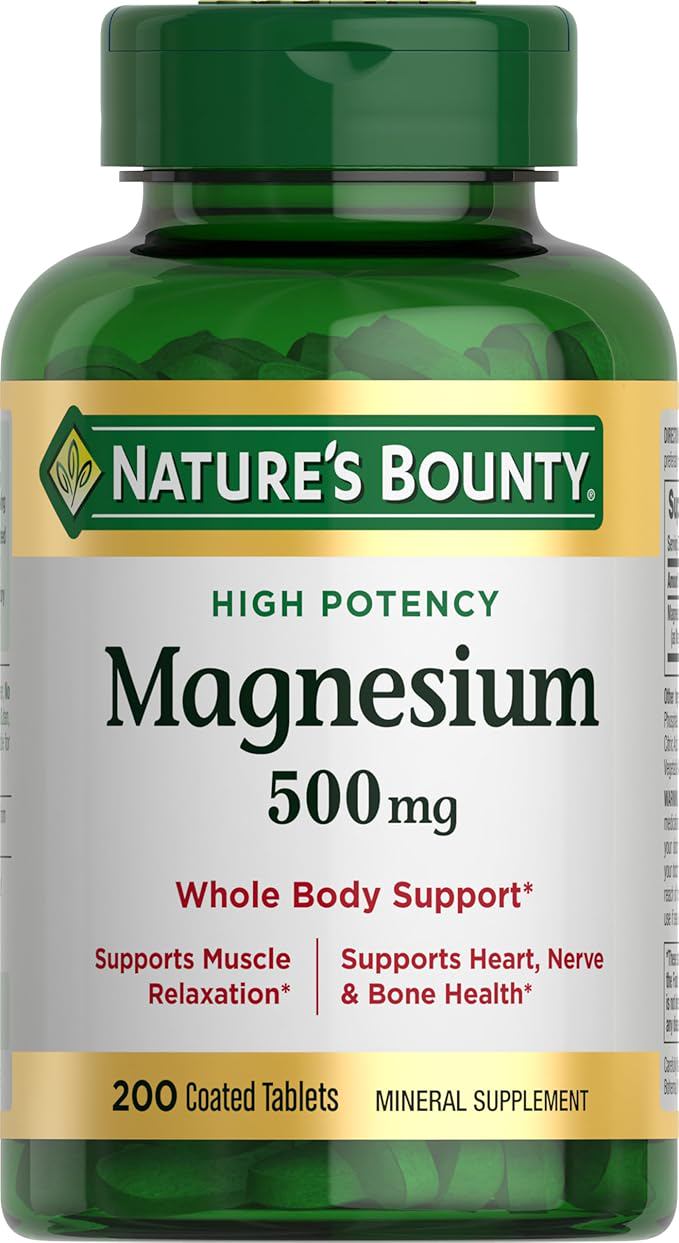
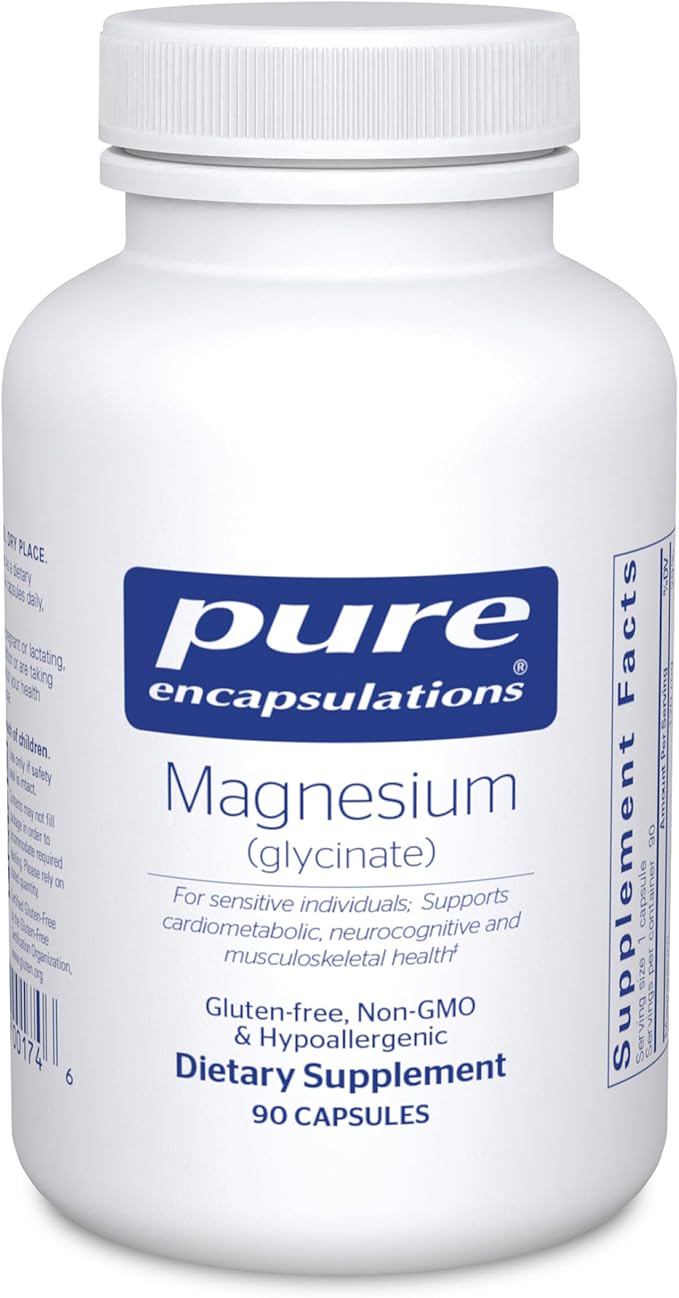
Instead, focus on incorporating magnesium-rich foods like leafy greens, nuts, and seeds, which may help relax muscles. Omega-3 fatty acids, found in fish like salmon, have anti-inflammatory properties. Eating smaller, more frequent meals with complex carbohydrates can also help stabilize energy and mood.
Misunderstanding the Source of Your Pain
Not all pelvic pain during menstruation is typical primary dysmenorrhea (the medical term for common menstrual cramps). Sometimes, severe pain is a signal that something else is occurring.
If your pain consistently:
- Debilitates you and doesn’t respond well to standard OTC medication.
- Is accompanied by very heavy bleeding or large clots.
- Occurs at times outside of your menstrual period.
It’s important to discuss this with a healthcare provider. Conditions like endometriosis, adenomyosis, or uterine fibroids can cause intense menstrual pain and require a different management approach. Dismissing extreme pain as “just part of being a woman” can delay diagnosis and effective treatment.
Stopping All Physical Activity
The instinct to curl up on the couch is completely understandable. However, complete inactivity can sometimes make stiffness and cramping feel worse. Movement stimulates circulation and the release of endorphins.
This doesn’t mean forcing a high-intensity workout. Gentle movement is key. A slow walk, restorative yoga poses (like child’s pose or a gentle supine twist), or simple stretching can provide significant relief. Listen to your body—the goal is supportive motion, not adding strain.
Overlooking Stress Management
The mind-body connection is powerful, especially around your cycle. High stress levels can lower your pain threshold and amplify discomfort. If your premenstrual phase is filled with tension and anxiety, your experience of pain is likely to be more intense.
Integrating simple stress-reduction techniques can be a powerful part of pain management. This could mean prioritizing sleep, practicing a few minutes of deep breathing or meditation, spending time in nature, or saying no to extra obligations during this more vulnerable time of the month. Creating calm for your nervous system creates a better environment for managing physical symptoms.
Managing period pain effectively is rarely about one single fix. It’s about building a personalized toolkit of strategies that work together. By shifting from a reactive to a proactive approach, combining medication with supportive lifestyle habits, and listening closely to what your body is telling you, you can move from merely coping to finding genuine, reliable comfort each month.