Managing a heavy period flow can feel like a monthly logistical puzzle. In the midst of it, it’s easy to fall into patterns that seem helpful in the moment but might actually make the experience more challenging. Understanding these common missteps can help you find a more comfortable, confident rhythm.
The goal isn’t perfection, but rather building a toolkit of effective habits that work for your body and your life. Let’s walk through some of the frequent pitfalls people encounter and explore gentler, more sustainable approaches.
Relying Solely on Light-Protection Products
One of the most common mistakes is underestimating your flow and sticking with products designed for lighter days. Using a regular tampon or a thin pad on a heavy day often leads to leaks, stress, and frequent, disruptive changes. It can create a cycle of anxiety where you’re constantly monitoring and worrying.
Your period products should work for you, not the other way around. Choosing the right capacity is a form of self-care.
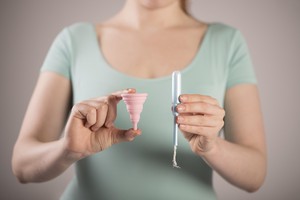
Instead, consider products specifically designed for heavy flow on your toughest days. This might mean:
- Super or super-plus absorbency tampons or menstrual cups.
- Overnight pads, even during the day, for their longer length and greater capacity.
- Period underwear rated for heavy flow, which can be worn alone or as a backup for extra security.
Changing Protection Too Infrequently
On the flip side, trying to “stretch” a product’s use to save money or time can backfire. Leaving a tampon in for longer than the recommended 8 hours increases the risk of bacterial growth and Toxic Shock Syndrome (TSS). A saturated pad or liner can cause skin irritation, chafing, and odor.
It’s crucial to listen to your body and change your protection based on your flow, not just the clock. On heavy days, this might be every 3-4 hours. Setting a gentle reminder on your phone can help you stay on track without the mental load.
Neglecting Hydration and Nutrition
When fatigue and cramping set in, it’s tempting to reach for quick comfort foods and maybe even cut back on fluids, hoping to reduce the flow. This approach can be counterproductive. Dehydration can actually worsen fatigue and headaches, while a diet lacking in iron-rich foods fails to support your body in replenishing what’s lost.
Focus on gentle nourishment:
- Prioritize hydration with water, herbal teas, or broths.
- Incorporate iron-rich foods like lentils, spinach, lean red meat, and fortified cereals to help with energy levels.
- Small, frequent meals can stabilize blood sugar and energy better than one large, heavy meal.
Ignoring Underlying Patterns or Changes
Brushing off a consistently heavy flow as “just how my period is” can sometimes mean missing signals from your body. While heavy flow is common, a significant increase in heaviness, duration, or the presence of large clots can sometimes indicate conditions like uterine fibroids, adenomyosis, or hormonal imbalances.
It’s wise to track your cycles and note any dramatic changes. This information is invaluable when talking to a healthcare provider. Seeking guidance isn’t an overreaction; it’s a proactive step in understanding your health.
Overlooking Comfort and Practical Preparedness
Managing heavy flow isn’t just about the products; it’s about your overall comfort. Wearing very tight clothing can sometimes increase discomfort or even contribute to leaks. Forgetting to keep a spare set of period products or an extra pair of underwear in your bag can lead to stressful situations.
A little preparation goes a long way. Consider creating a small “period kit” for your bag or desk with a spare product, a sealable bag for disposal, and a couple of over-the-counter pain relievers if you use them. Wearing comfortable, breathable fabrics can also make a noticeable difference in how you feel throughout the day.
When to Connect with a Healthcare Provider
If heavy flow is regularly interfering with your life—causing you to miss work or social activities, leading to anemia (symptoms include extreme fatigue, paleness, shortness of breath), or requiring you to change protection every hour for several consecutive hours—it’s important to have a conversation with a doctor or gynecologist. They can help explore the cause and discuss a full range of management options tailored to you.
Ultimately, managing a heavy period is about moving from coping to feeling in control. By sidestepping these common mistakes, you can build a routine that offers more comfort, less stress, and the freedom to move through your days with greater ease.