
We often think of libido as a matter of mood, hormones, or stress. But the connection between the kitchen and the bedroom is more direct than many realize. The choices you make at the table—what you eat, when you eat it, and what you might be missing—can quietly influence your energy, circulation, and hormonal balance, all of which are foundational to a healthy sex drive. It’s not about one magical aphrodisiac food, but rather the cumulative effect of daily eating patterns.
By understanding a few common meal mistakes, you can make simple, supportive adjustments that nourish your body in a way that also supports vitality and desire.
Are you skipping meals or eating too little?
In our busy lives, skipping breakfast or having a scant lunch can seem efficient. However, chronic undereating or long gaps between meals can send your body into a stress-conservation mode. When energy is scarce, your body prioritizes essential functions like keeping your heart beating and brain functioning. Non-essential systems, including reproductive function and libido, can be dialed back.
Think of it as your body's budget: when funds are low, it cuts spending on 'luxuries' like sexual desire.
This isn't just about calories; it's about consistent fuel. Irregular eating can disrupt the delicate balance of sex hormones like estrogen and testosterone. Aim for regular, balanced meals to signal to your body that resources are stable and it's safe to invest in all aspects of health.
Is your plate missing key nutrients?
Libido is supported by a complex symphony of nutrients. A diet lacking in variety can miss critical players.
Zinc
This mineral is crucial for the production of testosterone and other sex hormones in both men and women. A deficiency can lead to lowered libido. Good sources include:
- Pumpkin seeds
- Lentils and chickpeas
- Cashews
- Oysters
Healthy Fats
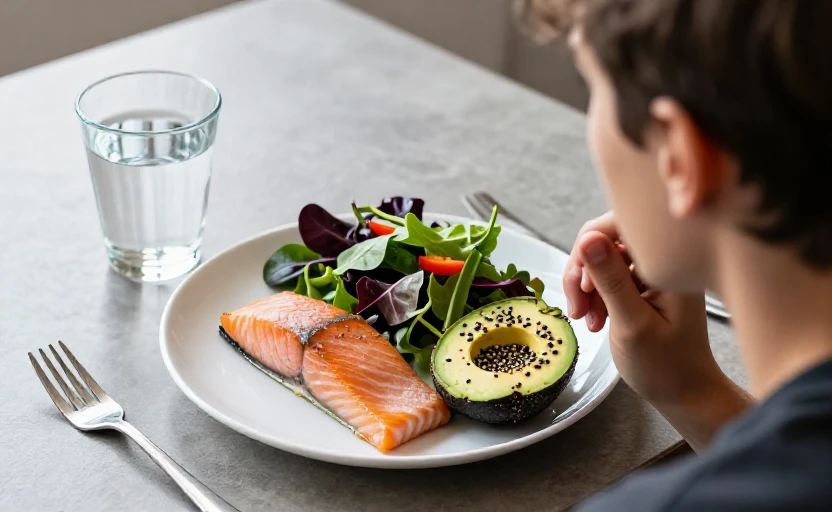
Hormones are built from cholesterol, which comes from dietary fats. Severely restricting fat can hinder your body's ability to produce them. Focus on incorporating sources of omega-3s and monounsaturated fats:
- Avocados
- Olive oil
- Fatty fish like salmon
- Walnuts and flaxseeds
Antioxidants & B Vitamins
Blood flow is essential for sexual response. Antioxidants (like vitamins C and E) help protect blood vessels, while B vitamins are involved in energy production and nervous system function. A colorful plate full of fruits, vegetables, whole grains, and legumes provides a broad spectrum of these supportive nutrients.
The heavy meal and sugar rollercoaster
That feeling of sluggishness after a large, rich meal is real. Your body diverts significant energy and blood flow to your digestive system, which can leave you feeling drained and uninterested in physical activity. Regularly overeating can also contribute to weight gain, which may affect body image and hormone levels.
Equally impactful is the sugar cycle. Consuming meals or snacks high in refined sugars and simple carbs causes a rapid spike in blood sugar, followed by a crash. This crash is often accompanied by fatigue, irritability, and low energy—none of which are conducive to feeling amorous. Stable blood sugar, achieved through balanced meals with protein, fiber, and complex carbs, supports steady energy and mood.
What about alcohol and hydration?
A glass of wine might feel like it lowers inhibitions, but alcohol is a central nervous system depressant. While it may initially reduce anxiety, it can ultimately dampen physiological arousal and performance for both men and women. Regular heavy drinking can also impair hormone production.
On the other hand, something as simple as dehydration is a common libido saboteur. Even mild dehydration can lead to fatigue, headaches, and dry mucous membranes. Drinking enough water throughout the day supports every cellular process, including those involved in energy and arousal.
Putting it together: building libido-supportive meals
The goal isn't perfection, but mindful consistency. Start with one or two adjustments:
- Prioritize balance: Build meals that include a source of lean protein, healthy fats, and fiber-rich carbohydrates (like vegetables, whole grains, or legumes). This combo promotes satiety and stable energy.
- Eat consistently: Avoid letting yourself get ravenously hungry. Have nourishing snacks on hand, like an apple with nut butter or a handful of nuts and seeds.
- Add, don't just subtract: Instead of focusing solely on cutting out “bad” foods, focus on adding more nutrient-dense ones. Toss seeds on your salad, add an extra vegetable to dinner, or choose whole fruit for dessert.
- Stay hydrated: Keep a water bottle nearby and sip throughout the day. Herbal teas are another excellent way to increase fluid intake.
- Listen to your body: Notice how you feel after different meals. Do you feel energized and clear-headed, or sluggish and foggy? Your body’s feedback is valuable information.
Nourishing your libido through food is a gentle, foundational practice. It’s about creating an internal environment where vitality can thrive. By moving away from common meal mistakes and toward consistent, balanced nourishment, you’re supporting your overall well-being in a way that can naturally resonate in all areas of your life.