Vaginal dryness is a common experience for many women, often linked to hormonal shifts like menopause. But what’s less discussed are the daily habits that can quietly contribute to or worsen this discomfort. From your shower routine to your laundry detergent, everyday choices can impact your body’s natural moisture balance.
Understanding these connections isn’t about assigning blame, but about empowerment. By recognizing common triggers, you can make informed adjustments that support your body’s natural state of comfort.
What Causes Vaginal Dryness?
While menopause is a primary cause due to dropping estrogen levels, it’s far from the only one. Vaginal dryness can occur at any age. Hormonal changes from breastfeeding, certain medications (like some antidepressants or allergy pills), stress, and autoimmune conditions can all play a role. The tissue of the vagina is incredibly sensitive to shifts in your body’s chemistry.
Think of the vaginal environment as a delicate ecosystem. Its natural moisture and pH balance are easily disrupted by both internal changes and external factors.
Habits That Can Disrupt Moisture
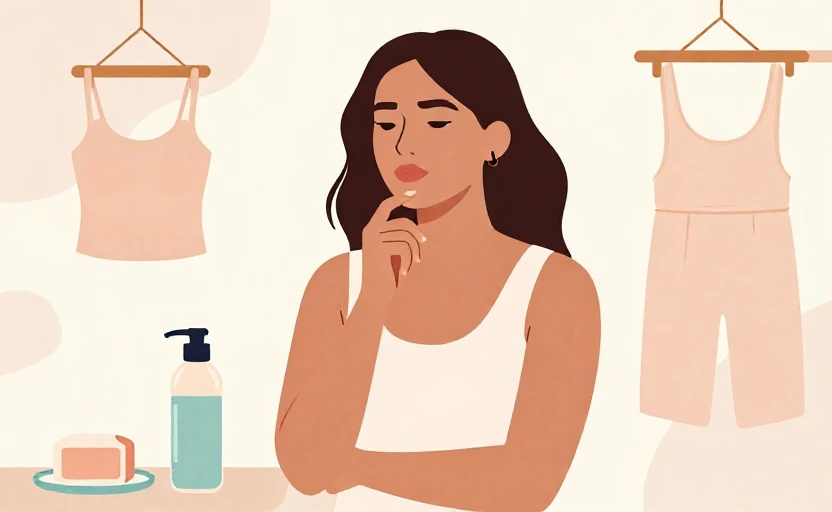
Many of our daily routines, done with the best intentions, can inadvertently strip moisture and irritate sensitive tissue.
Overwashing or Using Harsh Soaps
The vagina is self-cleaning. Douching or using strong, scented soaps, body washes, or bubble baths internally can wash away natural lubricants and disrupt the healthy bacterial balance. This can lead to dryness, irritation, and even increase the risk of infections.
Instead: Use warm water and, if needed, a mild, fragrance-free cleanser on the external vulva only.
Wearing Non-Breathable Fabrics
Skin needs to breathe. Tight-fitting synthetic underwear, shapewear, or yoga pants made from materials like nylon or polyester can trap heat and moisture. This creates a warm, damp environment that can promote irritation and yeast growth, which often coexists with dryness.
Instead: Opt for cotton underwear and loose-fitting bottoms when possible to allow for airflow.
Using Certain Laundry Products
Fragranced laundry detergents, fabric softeners, and dryer sheets leave chemical residues on clothing. These residues can be irritating to delicate genital skin, causing inflammation and dryness.
Instead: Choose fragrance-free, dye-free detergents for washing underwear and intimate clothing.
Dehydration
When you’re not drinking enough water, it affects your entire body—including mucous membranes. Chronic mild dehydration can reduce your body’s ability to produce natural lubrication.
Stress and Lack of Sleep
High stress levels and poor sleep can wreak havoc on your hormones, including cortisol and estrogen. This imbalance can directly contribute to vaginal dryness. The mind-body connection here is powerful; relaxation is not a luxury but a component of physical wellness.
Smoking
Smoking constricts blood vessels, reducing blood flow throughout the body. This impaired circulation can affect vaginal tissue health and natural lubrication. It also has a negative impact on estrogen levels.
Supporting Your Body’s Natural Balance
Adjusting habits is a proactive first step. For ongoing dryness that affects your quality of life, several supportive options exist. It’s always wise to discuss persistent symptoms with a healthcare provider to rule out underlying conditions.
Vaginal Moisturizers: These are different from lubricants used during sex. Moisturizers (often water-based or hyaluronic acid-based) are designed for regular use, every few days, to help hydrate and maintain the health of vaginal tissue over time.
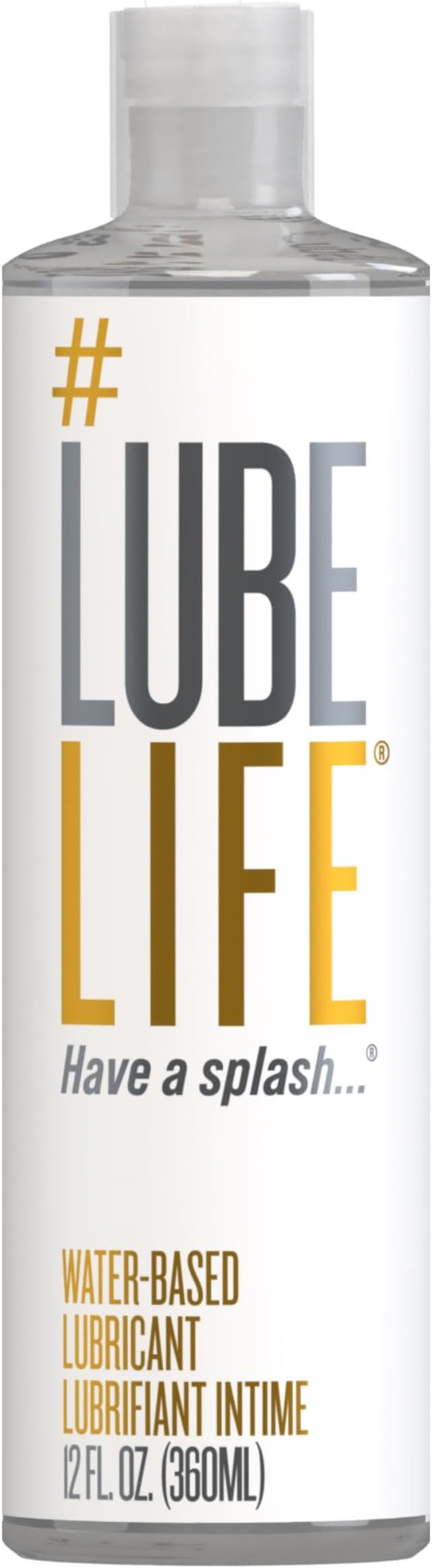
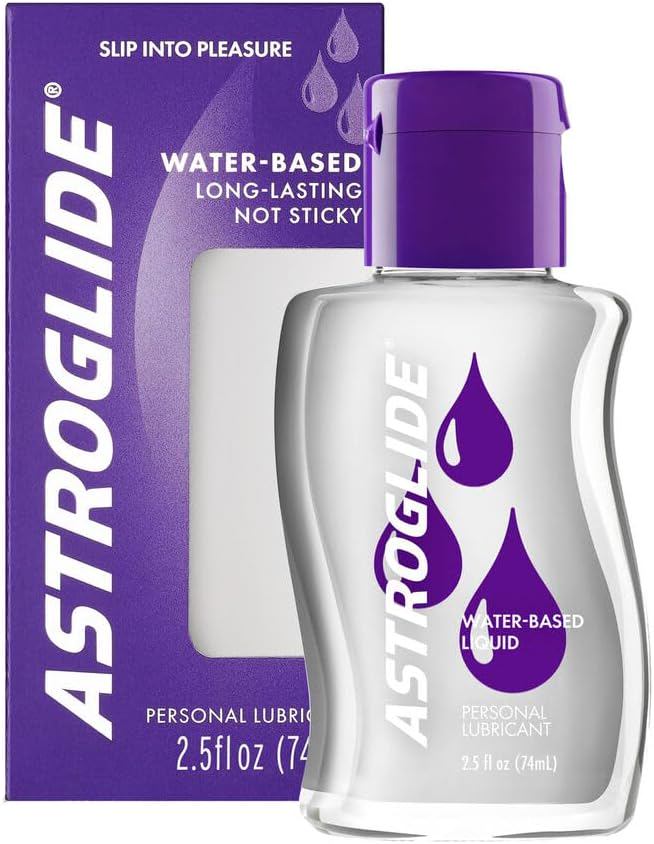
Personal Lubricants: For comfort during intimacy, a good lubricant is essential. Water-based and silicone-based options are generally safe and effective. Avoid lubricants with glycerin, parabens, or strong fragrances, as these can be irritating for some.
Remember, vaginal dryness is a common health concern, not a personal failing. Listening to your body and making gentle adjustments can often lead to significant relief and a greater sense of comfort in your own skin.