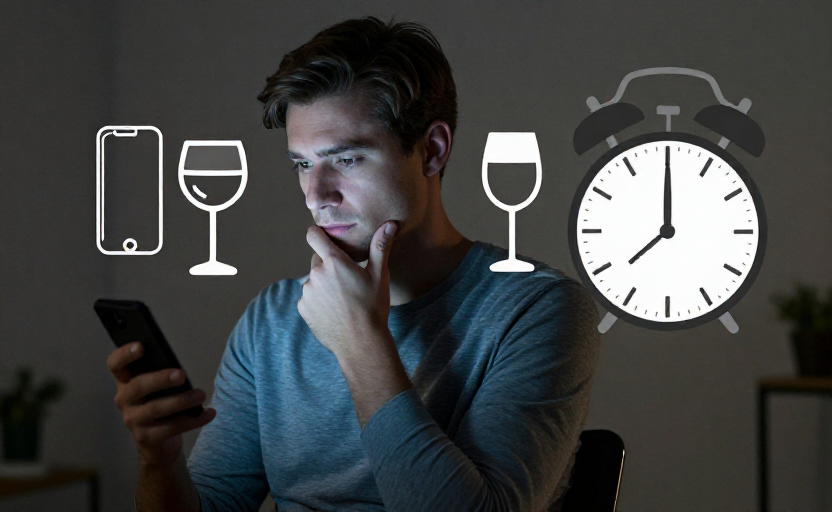
When the day winds down, our routines often shift into autopilot. That after-dinner drink, the late-night scroll through your phone, or the decision to skip a proper meal in favor of a heavy snack—these choices feel like harmless ways to unwind. But for men's sexual health, the hours before bed can be surprisingly influential. The connection between certain evening habits and erectile function is more significant than many realize, not through a single dramatic cause, but through a gradual, cumulative impact on the body's intricate systems.
Erectile health is a barometer of overall wellness, relying on healthy blood vessels, balanced hormones, stable nerves, and a calm mind. Habits that disrupt these pillars, especially when repeated night after night, can quietly contribute to difficulties with achieving or maintaining an erection. Understanding this link isn't about inducing fear or assigning blame; it's about empowerment. By recognizing the potential effects of our nightly routines, we can make more informed choices that support, rather than undermine, sexual well-being.
How do evening habits affect erectile function?
The process of an erection is a complex symphony of vascular, neurological, and hormonal events. It requires robust blood flow to the penile tissues, proper nerve signaling, and a balanced hormonal environment. Many common evening habits can interfere with one or more of these critical systems.
Think of it as a foundation. Habits that promote inflammation, impair circulation, disrupt sleep, or spike stress hormones are like small cracks in that foundation. Individually, they might not cause a noticeable issue. But over time, their combined effect can weaken the structural integrity needed for reliable sexual function.
Common evening routines that may pose a risk
Let's look at some specific patterns that, when habitual, can create an unfavorable environment for erectile health.
Late, heavy meals and poor dietary choices
Consuming a large, rich meal right before bed forces your digestive system to work overtime when it should be winding down. This can lead to indigestion and poor sleep quality. More critically, diets consistently high in saturated fats, sugars, and processed foods contribute to endothelial dysfunction—a condition where the lining of your blood vessels fails to work properly. Since erections depend on healthy blood vessels dilating to allow increased blood flow, anything that damages vascular health is a direct threat.
A heavy dinner isn't just a bellyache; it's an inflammatory event that can strain your cardiovascular system overnight.
Alcohol consumption before bed
While a drink or two might feel relaxing and even lower inhibitions, alcohol is a central nervous system depressant and a vasoconstrictor. Initially, it may dilate blood vessels, but as it metabolizes, it causes them to constrict, impeding the blood flow essential for an erection. Furthermore, alcohol disrupts the sleep cycle, particularly the restorative REM stage, and can suppress testosterone production if consumption is regular and significant.
Screen time and sleep disruption
The blue light emitted from phones, tablets, and laptops suppresses the production of melatonin, the hormone that regulates sleep. Scrolling late into the night tricks your brain into thinking it's still daytime, delaying sleep onset and reducing sleep quality. Chronic poor sleep is linked to lower testosterone levels, increased cortisol (the stress hormone), and higher rates of obesity and insulin resistance—all known risk factors for erectile issues.
Smoking or vaping in the evening
Nicotine, whether from cigarettes or e-cigarettes, is a potent vasoconstrictor. It causes blood vessels to narrow, reducing blood flow throughout the body, including to the penis. Smoking also damages the endothelium and accelerates atherosclerosis (hardening of the arteries). An evening smoking habit delivers a direct hit of this vasoconstrictor right before your body enters its restorative phase.
Bringing the day's stress to bed
Lying awake ruminating over work deadlines, finances, or relationship tensions keeps your body in a state of sympathetic nervous system arousal—the "fight or flight" mode. This elevates cortisol and adrenaline, which divert blood flow away from non-essential functions (like digestion and sexual arousal) and toward major muscles. Chronic stress and anxiety are leading psychological contributors to erectile dysfunction, as they directly oppose the state of relaxation necessary for sexual response.
Building an evening routine that supports sexual health
The goal isn't perfection, but conscious improvement. Small, sustainable shifts in your nightly routine can create a more supportive foundation for erectile and overall health.
- Prioritize sleep hygiene: Aim for 7-9 hours of quality sleep. Establish a consistent bedtime, create a dark, cool, and quiet sleep environment, and implement a digital curfew at least 60 minutes before bed. Consider reading a book or listening to calming music instead.
- Mind your last meal: Try to finish eating 2-3 hours before bedtime. Opt for a lighter dinner focused on lean proteins, vegetables, and whole grains. If you need a snack later, choose something small and blood-sugar-friendly, like a handful of nuts or plain yogurt.
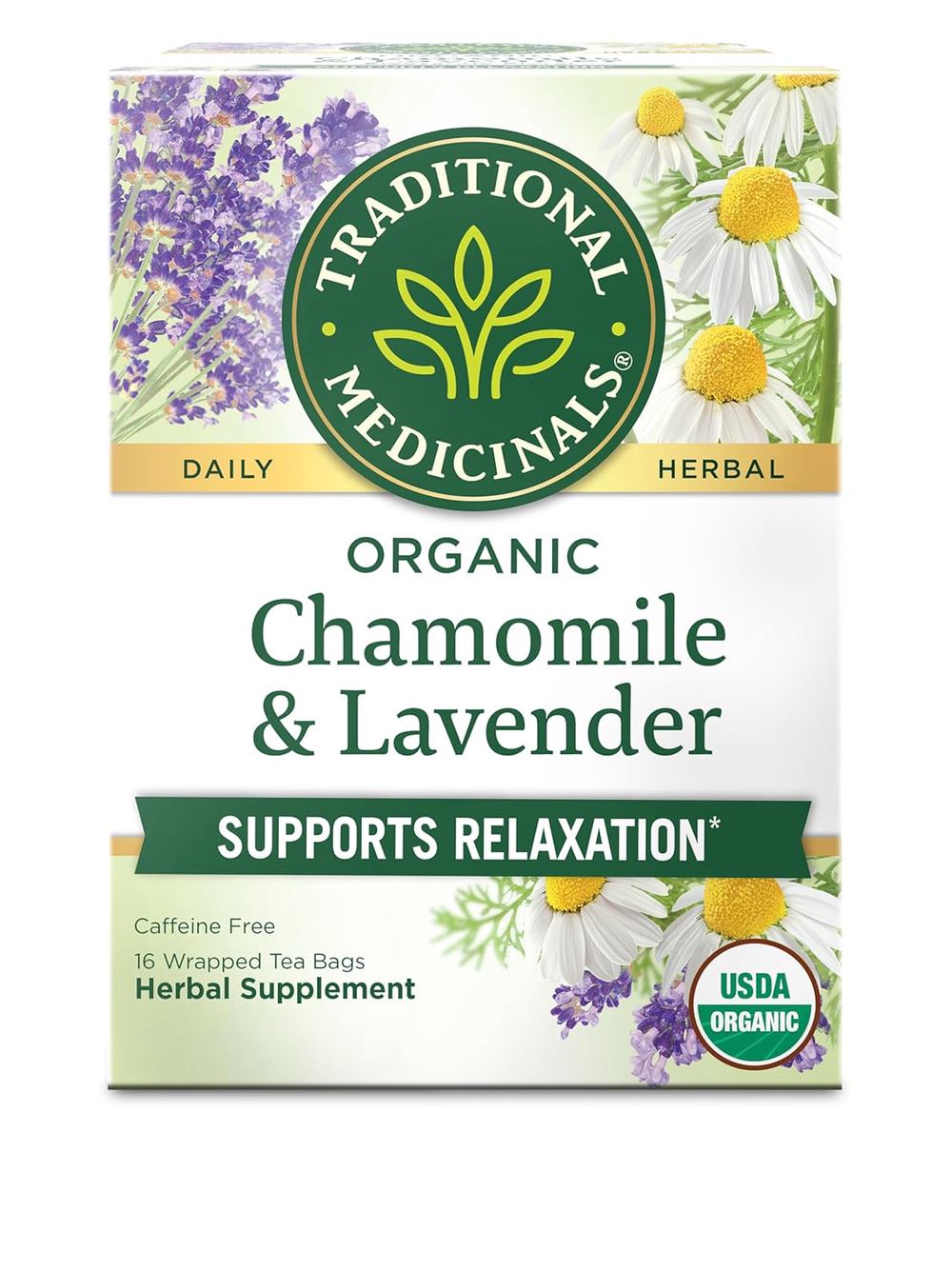
- Rethink nightcaps: If you drink alcohol, consider limiting consumption and avoiding it in the hours immediately before sleep. Explore non-alcoholic alternatives like herbal tea or sparkling water.
- Incorporate gentle movement: A short, leisurely evening walk can aid digestion, help process the day's stress, and promote better sleep—without being so vigorous that it energizes you.
- Practice a wind-down ritual: Actively transition out of "day mode." This could involve 5-10 minutes of deep breathing, meditation, light stretching, or journaling to offload worries from your mind.
It's crucial to remember that erectile difficulties are a common health issue, often with treatable underlying causes. While adjusting evening habits is a powerful proactive step, persistent problems should be discussed with a healthcare provider. They can help rule out or manage conditions like hypertension, diabetes, or low testosterone, and provide a comprehensive treatment plan.
Your evenings are a time for restoration. By choosing habits that calm the nervous system, protect vascular health, and promote restorative sleep, you're not just improving your nights—you're investing in your long-term vitality and sexual well-being.