When we talk about menopause, the conversation often starts and ends with hot flashes. It’s the universal symbol, the shared experience that signals this profound life transition. But for many women, the journey is far more nuanced, marked by a constellation of subtle, surprising, and often unspoken changes that can feel confusing or isolating when they don’t match the common narrative.
Understanding the full spectrum of menopausal symptoms is more than just academic; it’s about validation. Recognizing that a sudden bout of itchy skin, a change in your sense of taste, or a feeling of electric shock under your skin is connected to your hormonal shift can bring immense relief. It shifts the question from "What's wrong with me?" to "This is a known part of the process." Let's explore some of these less common, yet very real, experiences.
When Your Skin Feels Like It's Crawling
Formication. It’s a specific term for a bizarre sensation: the feeling of insects crawling on or just under your skin. While it sounds alarming, it’s a recognized, though less discussed, neurological symptom linked to declining estrogen. This hormone plays a role in nerve health and signaling. As levels fluctuate and drop, it can lead to misfiring nerves, resulting in this prickling, tingling, or crawling feeling, often without any visible rash or cause.
If you experience persistent skin crawling or tingling, it’s wise to discuss it with a healthcare provider to rule out other potential causes, such as nutrient deficiencies or neurological conditions.
The Unsettling World of Sensory Changes
Your senses might undergo shifts you never anticipated. Some women report a sudden metallic or bitter taste in their mouth (dysgeusia), unrelated to anything they’ve eaten. Others notice their sense of smell becomes unusually acute or distorted. These changes are again tied to estrogen's role in the mucous membranes and nerve function in the mouth and nose.
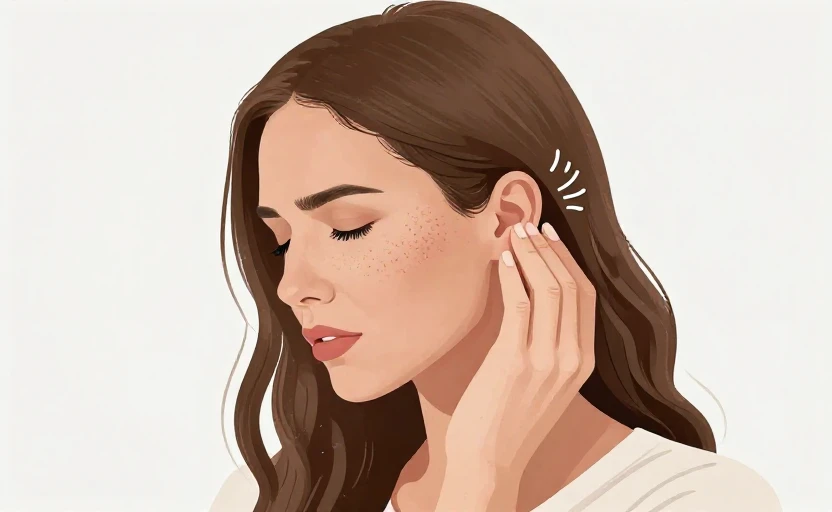
More disconcerting can be the experience of "meno-pause"—a ringing, buzzing, or hissing sound in the ears (tinnitus) that seems to appear or worsen during this time. The link between hormones and the auditory system is complex, but estrogen is known to influence blood flow and nerve function in the inner ear, potentially leading to these auditory disturbances.
Physical Sensations That Defy Easy Explanation
Beyond the classic hot flash, the body can produce other peculiar physical feelings. Some describe a sudden, brief sensation like an electric shock running through their body, often preceding a hot flash. Others experience "air hunger," a feeling of not being able to take a deep, satisfying breath, even when oxygen levels are normal.
Joint and muscle aches—sometimes called "meno-arthritis"—can also emerge. Estrogen has anti-inflammatory properties and supports joint lubrication. Its decline can leave joints feeling stiff, achy, and creaky, often mistaken for the early signs of arthritis.
Cognitive and Emotional Nuances
While "brain fog" is gaining recognition, its manifestations can be uniquely frustrating. It might not just be forgetfulness. It can feel like a disruption in your internal navigation system—losing your train of thought mid-sentence, struggling to retrieve common words, or feeling a disorienting sense of mental "static." This is often coupled with a change in tolerance. Patience for noise, clutter, or certain social situations may wear thin, not purely from irritability, but from a neurologically-based overload as the brain adapts to a new hormonal environment.
Navigating These Changes with Compassion
The first and most powerful step is acknowledgment. Bringing these symptoms into the light and understanding their biological basis removes self-blame. From there, a multi-faceted approach focused on foundational wellness can often provide significant support.
Track and Communicate
Keep a simple journal of these unusual symptoms alongside more common ones like sleep patterns and mood. This creates a clear picture for you and your healthcare provider, moving the conversation from vague complaints to documented patterns.
Prioritize Nervous System Support
Since many odd symptoms are neurologically based, calming the nervous system is key. This includes:
- Consistent Sleep Hygiene: Protect sleep as non-negotiable. A cool, dark room and a regular wind-down routine can mitigate symptoms worsened by fatigue.
- Mind-Body Practices: Gentle yoga, paced breathing, or meditation don’t just reduce stress; they directly signal the nervous system to shift out of a heightened state.
- Dietary Adjustments: Reducing alcohol, caffeine, and high-sugar foods can prevent spikes and crashes that exacerbate sensory and neurological symptoms. Focusing on whole foods provides steady energy and nutrients.
Seek Professional Guidance
Openly discuss all symptoms—common and uncommon—with a knowledgeable healthcare practitioner. They can help you explore a range of management strategies, from lifestyle adjustments to discussing whether hormone therapy or other non-hormonal medications might be appropriate for your specific situation. They can also ensure any new symptom is properly evaluated.
Menopause is not a one-size-fits-all experience. Its lesser-known symptoms are a testament to estrogen's vast influence throughout the body. By broadening our awareness, we empower ourselves and each other to navigate this transition with greater knowledge, less anxiety, and the confidence that comes from being truly seen and understood.