Staying hydrated during pregnancy is essential, but when you're managing gestational diabetes, every sip can feel like a question mark. Fruit juices, sugary lattes, and even some sparkling waters can send blood sugar climbing. The good news? You don't have to resign yourself to plain water for the next several months.
Below are six drinks that support hydration without causing dramatic glucose spikes. Each option has been chosen for its low glycemic impact, nutrient profile, and practicality — because the last thing you need is another complicated rule. Of course, always check with your healthcare provider or dietitian before adding anything new to your routine.
1. Plain Water (Still or Sparkling)
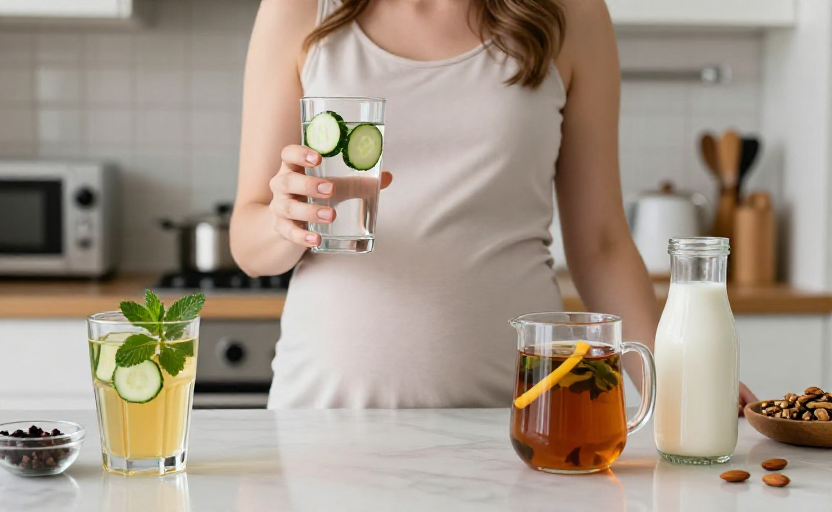
Water remains the gold standard. It has zero carbohydrates, zero sugar, and it directly supports the increased blood volume and amniotic fluid needs of pregnancy. The challenge is that plain water can become boring. To make it more appealing without adding sugar:
- Add a few slices of cucumber, lemon, lime, or orange for a hint of flavor (the fruit's natural sugars are negligible in this amount).
- Use unflavored sparkling water or seltzer. Check the label to ensure there are no added sugars or artificial sweeteners if you prefer to avoid those.
- Try infusing water with fresh mint, basil, or a small piece of ginger.
Aim to sip water steadily throughout the day rather than drinking large amounts at once, which can sometimes cause bloating or discomfort.
2. Unsweetened Herbal Teas (Caffeine-Free)
Herbal teas can provide variety and comfort. Choose caffeine-free options — especially those labeled safe for pregnancy, such as peppermint, ginger, rooibos, or chamomile. Avoid blends that include licorice root, which is not recommended during pregnancy.
Herbal teas contain virtually no calories or carbs, so they won't directly raise blood sugar. They also contribute to fluid intake, which can be a welcome change from water. For a cold version, brew a batch, let it cool, and refrigerate. Serve over ice with a squeeze of lemon.
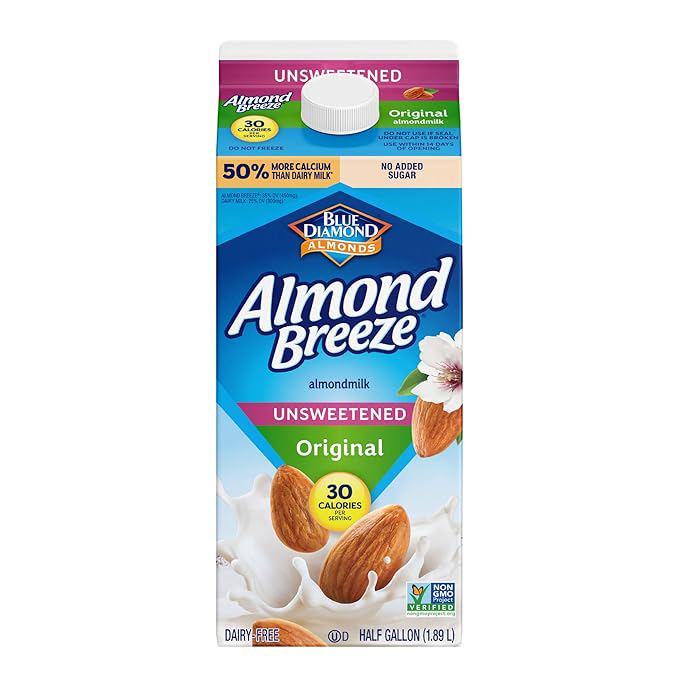
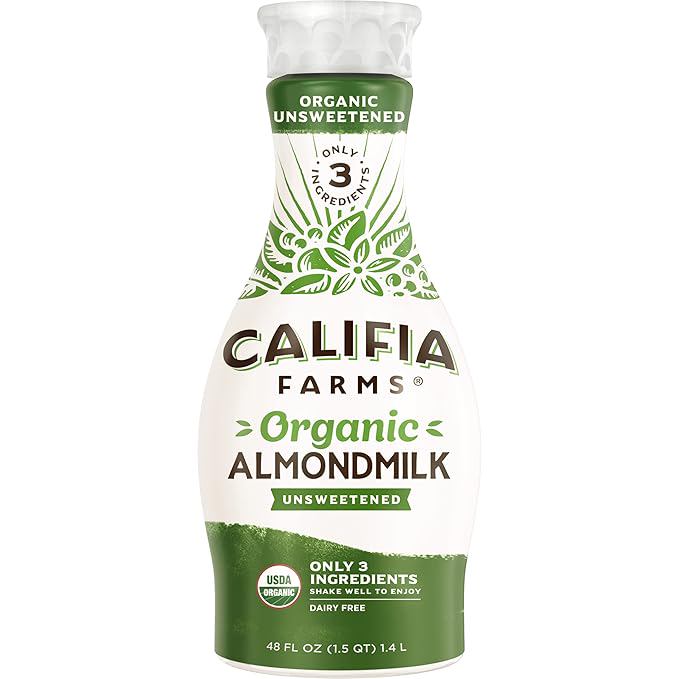
3. Unsweetened Almond Milk or Other Low-Carb Milk Alternatives
Unsweetened almond milk typically contains less than 1 gram of carbohydrate per cup, making it a great base for smoothies or a simple glass of "milk." Other low-carb options include unsweetened coconut milk (the carton kind, not canned) or unsweetened flax milk.
Compare this with cow's milk — which has about 12 grams of carbs per cup from lactose — and you can see why some women with gestational diabetes find that unsweetened nut milks help them stay on track. Just ensure the product is fortified with calcium and vitamin D, since those nutrients are especially important during pregnancy.
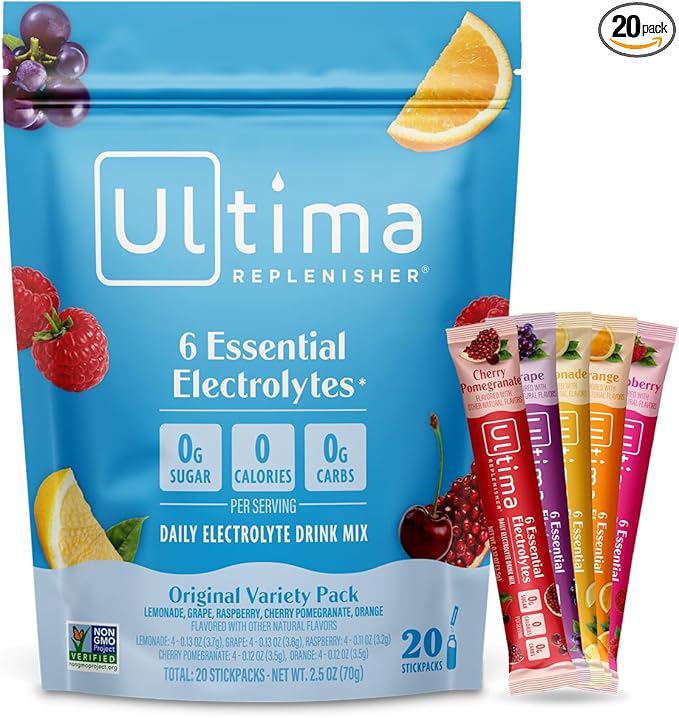
4. Sugar-Free Electrolyte Drinks
Sugar-free electrolyte powders or drops, mixed into water, can help if you are dealing with dehydration from nausea, exercise, or hot weather. Look for products that use stevia, monk fruit, or other zero-calorie sweeteners you are comfortable with. The key is to avoid versions that contain sugar, glucose, or high-fructose corn syrup. Many brands now make "hydration multiplier" packets with zero sugar and a clean label. Dilute them a little more than the package suggests if you find the sweetness too intense.
5. Vegetable Juice (Green Juice or Tomato Juice)
Vegetable juice, when made from low-carb veggies, can provide vitamins and hydration without spiking glucose. The catch is that most store-bought vegetable juices contain fruit juice or added sugar. Look for a brand that lists vegetables first (like celery, cucumber, spinach, and kale) and has no more than 5–7 grams of carbs per serving.
Even better: make your own at home. A simple blend of cucumber, celery, a handful of spinach, lemon juice, and a little ginger is refreshing and low in carbs. Avoid carrot and beet juice unless your care team has given you the green light, as these are higher in natural sugars.
6. Low-Fat or Skim Milk (in Moderation)
If you tolerate dairy well, a small glass (4–6 ounces) of low-fat or skim milk can be part of a balanced snack. The carbohydrate content is about 6–9 grams in that small amount, so it's worth pairing with a source of protein or fat to slow digestion — such as a handful of almonds or a hard-boiled egg. This prevents that quick sugar rush. Whole milk is higher in fat, which can delay gastric emptying but also adds calories; discuss your preference with your dietitian.
Managing gestational diabetes does not mean you must give up all flavor. The drinks above can keep you hydrated, satisfied, and in control. Remember that everyone responds differently — some women find even a small amount of natural sugar (like in milk) causes a rise, while others handle it fine. Testing your blood glucose one hour after trying a new drink can give you personalized insight.