Your eyes are remarkably honest. Long before you notice blurred vision or floating spots, they may already be signaling trouble—especially if you live with diabetes. Diabetic retinopathy, the leading cause of vision loss among working-age adults, often begins without pain, without redness, and without warning. That silence is what makes it dangerous.
Diabetic retinopathy happens when persistently high blood sugar damages the tiny blood vessels in the retina, the light-sensitive tissue at the back of the eye. Over time, these vessels can leak fluid, bleed, or close off completely. In its earliest stages, the condition may not cause any obvious symptoms. But subtle changes can appear, and if you know what to look for, you can seek care before irreversible damage occurs.
Here are four quiet signs that your eyes might be trying to get your attention.
1. You notice a change in your night vision
Driving at dusk or navigating a dimly lit room starts to feel harder than it used to. You might need more time to adjust when walking from sunlight into shadow. This isn’t just a normal part of aging—it can be an early effect of retinal damage. When the small vessels in the retina are compromised, the cells responsible for low-light vision (the rods) may not receive enough oxygen. If you find yourself squinting more at night or feeling uneasy behind the wheel after sunset, it’s worth mentioning to your eye doctor.
2. Seeing faint spots or streaks that come and go
Not all spots in your vision are eye floaters from aging. A few drifting specks, especially if they appear and disappear over a few weeks, can signal tiny hemorrhages inside the eye. In diabetic retinopathy, weakened blood vessels may leak small amounts of blood into the vitreous humor—the gel that fills your eyeball. Those leaks create shadows on the retina, which your brain interprets as spots or threads. If you see them, don’t brush them off as dust or fatigue. They’re worth checking, particularly if they seem to increase in number.
3. Colors look slightly dull or washed out
This is a subtle one. You might not notice it unless you're comparing a bright red apple to a photograph. Over time, a damaged retina can lose some of its sensitivity to contrast and color. The effect is often described as a faded or desaturated quality to the world—like turning down the color dial. This happens when the macula, the central area of the retina responsible for sharp vision and color perception, becomes swollen from leaking fluid (a condition called macular edema). Because the change is gradual, many people don't notice it until they cover one eye and realize something feels off. If a friend mentions that your colorful shirt looks dull to you, take it seriously.
4. Straight lines begin to look wavy or bent
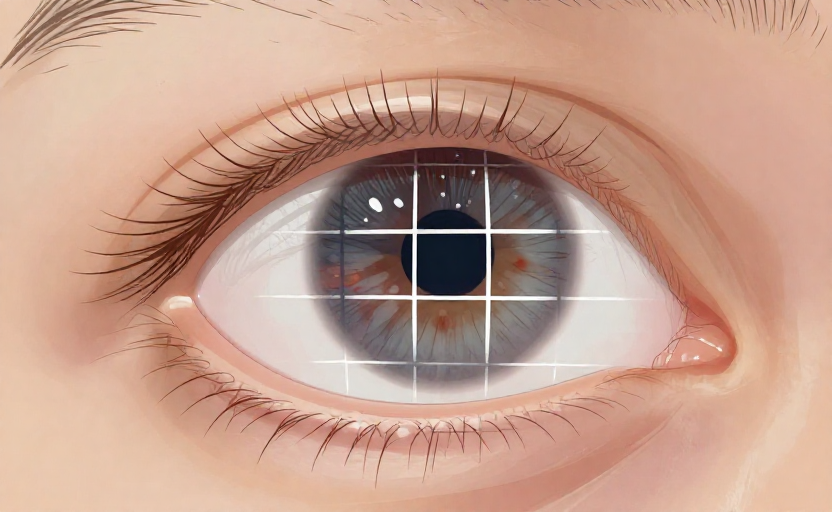
One of the most specific early clues of diabetic macular edema is metamorphopsia—the medical term for distorted vision. You might notice that the lines on a door frame, the grout in your kitchen tile, or the words on a phone screen appear curved, rippled, or bent. This distortion signals that fluid has collected under the macula, disrupting the normally flat surface of the retina. It can also make reading difficult because letters seem to jump or shift shape. If straight lines suddenly look wavy, schedule an eye exam within days, not months.
Remember: Diabetic retinopathy can progress through stages without any pain or visible redness. A regular dilated eye exam is the only sure way to catch it early.
These four signs don’t always mean you have advanced retinopathy. But they do mean something is changing. For anyone with type 1 or type 2 diabetes, an annual comprehensive eye exam is not optional—it’s essential. The American Diabetes Association recommends that people with diabetes have a dilated eye exam at least once a year, and more often if changes are detected.
Good blood sugar control, blood pressure management, and healthy lifestyle habits can dramatically slow the progression of diabetic retinopathy. But the most powerful tool you have is paying attention. Your eyes are honest. Listen.