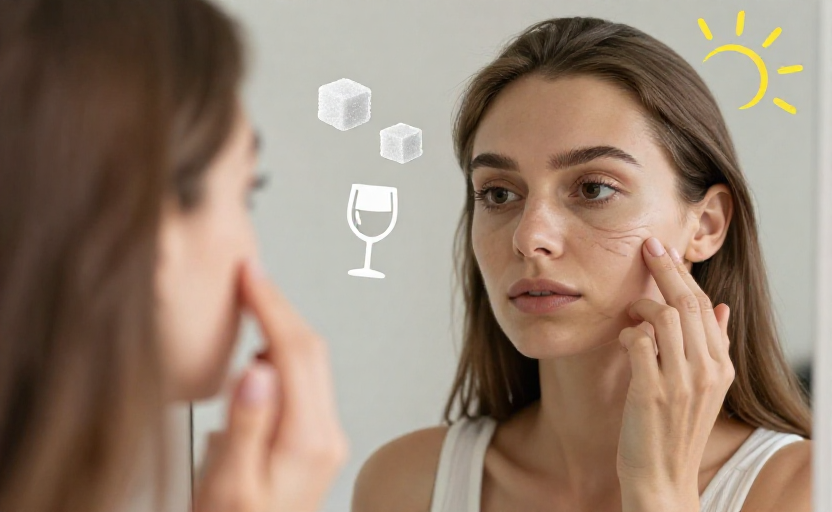
You probably know the feeling: you catch a glimpse of yourself in harsh lighting and wonder where that fine line came from, or you notice your skin looks a little thinner, a little less bouncy than it did last year. The instinct is to look for a better cream or a pricey laser treatment. But more often than not, the real culprit isn't aging itself—it’s the quiet, cumulative effect of what you do every single day.
Collagen is the structural protein that holds you together. It’s what gives skin its firmness, joints their cushion, and bones their resilience. But after about age 25, your body’s natural production slows down, and external factors can accelerate that breakdown faster than you might think. The good news? Once you know the signs, you can spot the damage early and adjust your routine before collagen loss becomes dramatic.
What does collagen loss actually look like?
Before we get into the specific habits, it helps to recognize the physical signals. Collagen isn't visible on its own, but when it starts to deplete, your body changes in ways that are hard to ignore.
- More fine lines that don't fade. When skin is well-supplied with collagen, it springs back after you smile or squint. When collagen is low, those expression lines linger and deepen.
- Thinner, crepey skin. You might notice the skin on your eyelids, neck, or hands looks almost translucent. That papery texture is a classic sign the dermis is losing its structural scaffolding.
- Sunken or hollowed areas. Loss of volume around the eyes, temples, or cheeks often reflects deeper collagen depletion in the underlying tissue.
These are the visible red flags. But the habits that cause them are often hiding in plain sight.
1. You’re constantly exposed to sugar (even “healthy” kinds)
This is the big one that surprises most people. When you eat sugar or refined carbohydrates, it binds to proteins in your body through a process called glycation. The end products—advanced glycation end products (AGEs, aptly named)—literally stiffen collagen fibers.
Think of collagen like a strong, flexible spring. AGEs make that spring brittle. Once collagen is cross-linked by glycation, it’s harder for your body to repair or replace it. And this isn’t just about dessert. A steady diet of white bread, pasta, juice, flavored yogurts, and even some “health” bars keeps your blood sugar spiking throughout the day.
The quick fix: Pair carbs with protein or fat to blunt blood sugar spikes. And if you’re going to have something sweet, have it after a meal rather than on an empty stomach.
2. You sleep with your face smushed into a pillow
It sounds trivial, but think about it: you spend roughly a third of your life pressing your face against cotton or polyester. Over time, the mechanical compression and shearing force literally squashes collagen fibers in a specific pattern. Derms call these “sleep lines” or “sleep wrinkles.”
Here’s the key distinction: sleep lines from compression are different from expression lines (like crow’s feet or forehead furrows). They appear on the side of the face you sleep on—the cheek, the chin, the lower eyelid. If you wake up with creases that take hours to fade, that’s a sign you’re mechanically depleting the collagen in those zones every night.
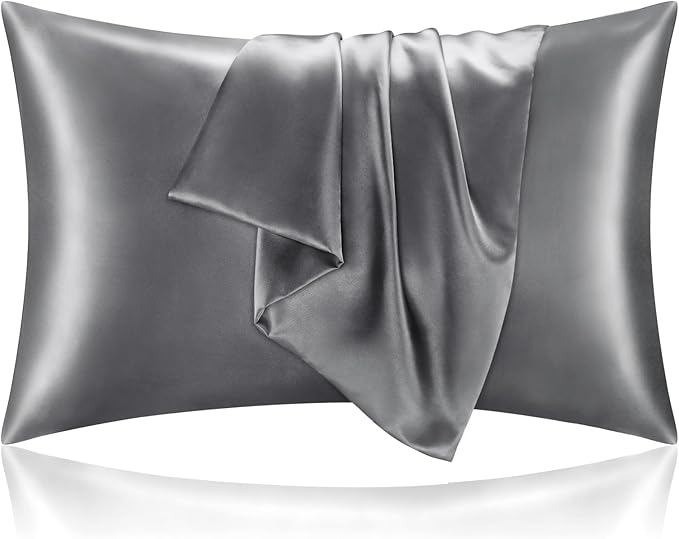
What helps: Sleeping on your back is the ideal fix, but it’s hard to train yourself to do that. A silk or satin pillowcase reduces friction significantly compared to cotton. Some people also use a “beauty pillow” with a cutout, though a silk case is the simpler first step.
3. You’re sun-smart only at the beach
Most people know they need SPF for a day at the pool. But collagen damage from ultraviolet light is cumulative, and it happens during short, repeated exposures: the ten-minute walk to the train, driving with the driver's-side window down, sitting near a sunny window while working from home.
UVA rays penetrate clouds and glass, and they go deep into the dermis where collagen lives. Chronic low-dose exposure breaks down collagen through a process called photoaging. The result is a loss of elasticity that looks different from regular aging—more leathery, less elastic, with deeper wrinkles and broken capillaries.
If you see more wrinkling on one side of your face (usually the driver’s side), that’s a near-certain sign of unilateral photoaging. The fix is simple: wear a broad-spectrum SPF 30 or higher every day, even when you think you don’t need it.
4. You’re drinking too much alcohol (even if it’s just a glass of wine)
Alcohol is a direct collagen antagonist. It dehydrates the skin, but that’s only the surface issue. Ethanol reduces the production of fibroblasts—the cells that actually synthesize collagen. It also increases oxidative stress, which degrades existing collagen.
A glass of red wine with dinner isn’t going to ruin your face overnight, but the pattern matters. If you drink most days, or you binge on weekends, your body is spending energy detoxifying alcohol instead of repairing collagen. Over months and years, this creates a gap between your biological age and your skin’s condition.
The visible signs: persistent redness, a dull or grayish complexion, and fine lines that seem to appear overnight after a night of drinking. If you notice that pattern, your alcohol habit might be costing you more than a hangover.
5. You rely on a poor diet instead of whole-food protein
Collagen is made of amino acids, specifically glycine, proline, and hydroxyproline. Your body can’t build collagen without them, and it can’t get them if your diet is low in protein or rich in processed foods that lack those building blocks.
This isn’t about taking a collagen supplement (though those can help). It’s about the foundational question: are you eating enough high-quality protein? If you skip breakfast, grab a granola bar for lunch, and eat a carb-heavy dinner, you’re likely running a chronic amino-acid deficit. Your body will prioritize vital organs over skin, meaning your collagen synthesis gets put on the back burner.
Bone broth, egg whites, chicken skin, fish, and even a simple scoop of collagen peptides in your coffee can help, but the bigger picture is consistent protein intake across the day. Aim for about 20–30 grams per meal from whole-food sources.
Putting it together: what to do starting tonight
You don’t need a ten-step routine or a dermatologist to reverse these habits. Pick one change—cutting out the midday soda, switching to a silk pillowcase, wearing SPF indoors—and commit to it for two weeks. Then add another.
Collagen loss is slow, but so is rebuilding it. The habits that deplete it are often the same ones that feel normal or comfortable. The real anti-aging strategy isn’t about expensive products. It’s about noticing which daily routines are slowly breaking down your body’s support structure—and deciding to stop.