For many, the days leading up to and during a period are accompanied by a familiar, unwelcome guest: inflammation. This internal swelling can amplify cramps, worsen bloating, and deepen fatigue, making an already challenging time feel even more difficult. While reaching for comfort food is a natural impulse, the choices we make at the table can either fan the flames of inflammation or help soothe them. Focusing on meals rich in anti-inflammatory nutrients isn't about strict dieting; it's a gentle, supportive way to nourish your body through a natural cycle.
The connection between food and menstrual comfort is rooted in how certain nutrients interact with prostaglandins—hormone-like compounds that trigger uterine contractions. Some foods can promote a healthier balance of these compounds, while others may contribute to excess inflammation. By building your plate around whole, nutrient-dense foods, you can create meals that actively support a sense of ease during your period.
What makes a meal anti-inflammatory?
An anti-inflammatory meal prioritizes whole foods that are known to help calm the body's inflammatory responses. Think of it as eating the rainbow, with an emphasis on plants, healthy fats, and lean proteins. These foods are typically rich in antioxidants, magnesium, omega-3 fatty acids, and fiber.
Key components include:
- Fruits and vegetables: Especially dark leafy greens, berries, tomatoes, and cruciferous veggies like broccoli.
- Healthy fats: Found in avocados, olive oil, nuts, seeds, and fatty fish like salmon.
- Lean proteins: Such as legumes, lentils, tofu, and poultry.
- Complex carbohydrates: Like quinoa, brown rice, oats, and sweet potatoes, which provide steady energy.
Conversely, it can be helpful to temporarily reduce foods that may exacerbate inflammation for some people, such as highly processed snacks, sugary drinks, refined carbohydrates, and excessive alcohol.
Simple anti-inflammatory meal ideas
You don't need elaborate recipes to eat well during your period. The goal is simple, satisfying nourishment that feels good to prepare and eat. Here are a few ideas to inspire your next meal.
For a comforting breakfast
Start the day with a bowl that stabilizes energy and provides key minerals. A warm bowl of oatmeal is a classic for good reason. Cook rolled oats with almond milk and stir in a spoonful of chia seeds or ground flaxseed for extra fiber and omega-3s. Top with a handful of blueberries and a sprinkle of walnuts or pumpkin seeds. The magnesium in the oats and seeds can be particularly supportive for muscle relaxation.
Tip: Add a dash of cinnamon or ginger to your oatmeal for their natural anti-inflammatory properties and comforting warmth.
For a satisfying lunch
Lunch is an opportunity to pack in a variety of colors and nutrients. A large, vibrant salad doesn't have to be boring. Start with a base of spinach or kale, both rich in magnesium. Add roasted chickpeas for plant-based protein and fiber, along with cherry tomatoes, sliced bell peppers, and avocado. For dressing, whisk together extra virgin olive oil, lemon juice, a touch of mustard, and herbs like turmeric or oregano.
If you prefer something warm, a simple lentil soup is deeply nourishing. Sauté onions, carrots, and celery, add vegetable broth, red lentils, and a teaspoon of turmeric. Simmer until the lentils are soft. The lentils provide iron and protein, while turmeric contains curcumin, a noted anti-inflammatory compound.
For a grounding dinner
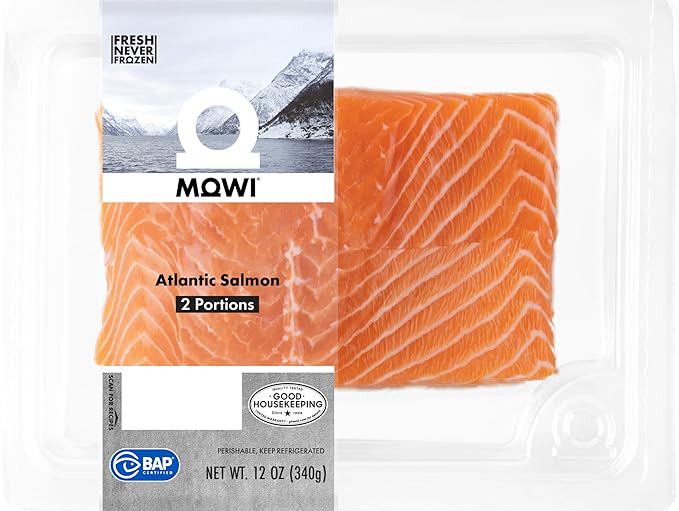
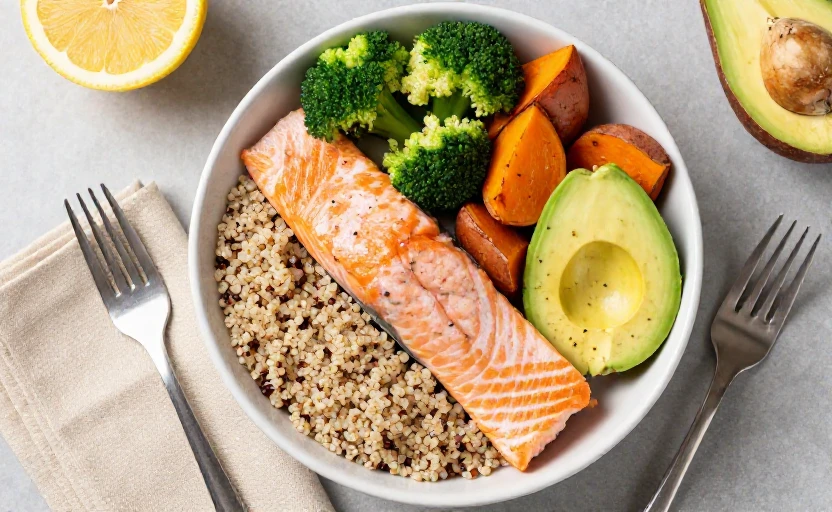
Dinner can be both hearty and gentle. Baked salmon with roasted vegetables is a powerful combination. The salmon provides omega-3 fatty acids, while vegetables like broccoli, sweet potato, and Brussels sprouts offer a spectrum of antioxidants. Drizzle everything with olive oil, season with herbs, and roast until tender.
Another excellent option is a quinoa bowl. Cook quinoa as your base, then top with black beans, sautéed greens like Swiss chard, roasted sweet potato cubes, and a spoonful of salsa or a tahini-lemon sauce. This meal is a complete package of protein, complex carbs, and healthy fats.
Snacks and hydrating drinks
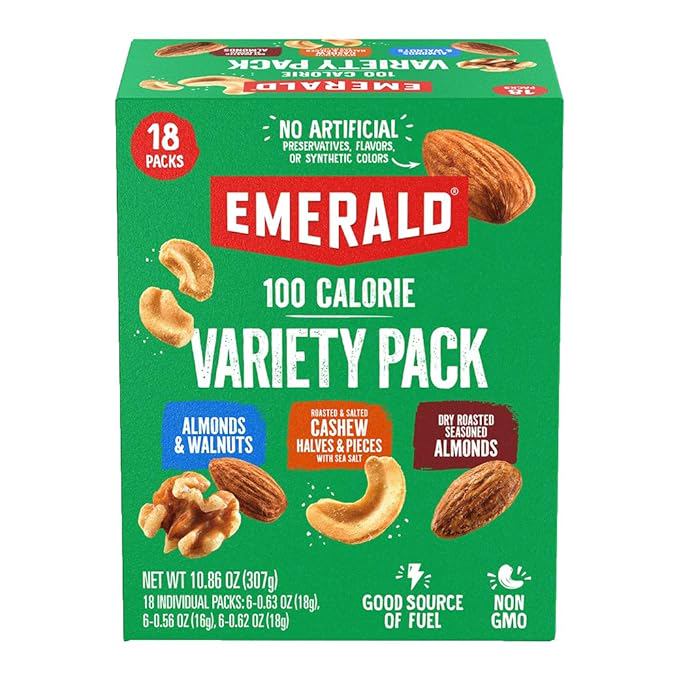
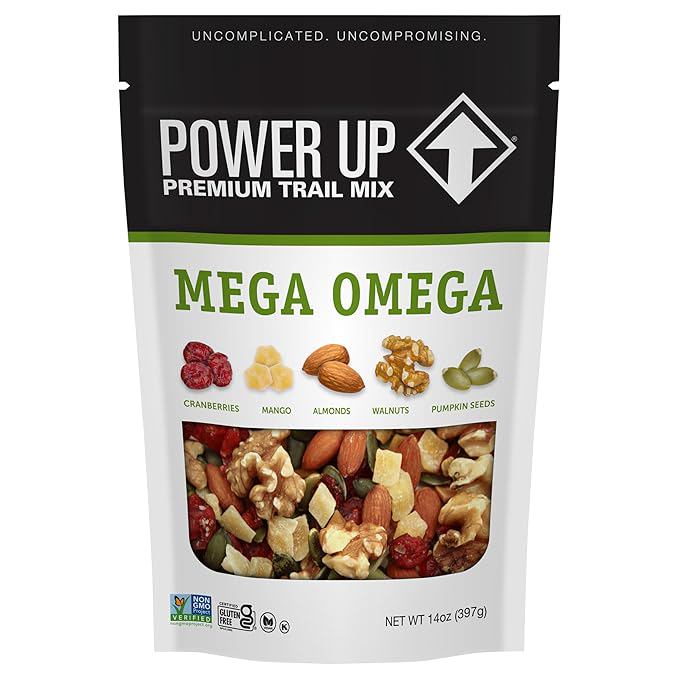
Keeping your energy steady between meals is crucial. Instead of sugary treats, reach for snacks that combine protein and healthy fats. Try apple slices with almond butter, a small handful of almonds and dried tart cherries, or plain yogurt with a drizzle of honey and a few raspberries.
Hydration plays a direct role in managing bloating and fatigue. Water is always best, but you can also sip on:
- Herbal teas: Ginger tea or peppermint tea can soothe the digestive system and ease cramping.
- Infused water: Add slices of cucumber, lemon, or fresh mint to your water for a refreshing twist.
- Warm broth: A simple vegetable or bone broth can be hydrating and mineral-rich.
Listening to your body is key
These ideas are a starting point, not a rigid prescription. Some days you might crave the hearty quinoa bowl; other days, a simple smoothie with spinach, banana, and almond milk might be all you want. The most important thing is to tune into what your body is asking for—often, it's wholesome food, rest, and kindness.
Building anti-inflammatory habits around your cycle is a form of self-care. It’s a way to acknowledge that your body is going through a significant process and to offer it the foundational support it deserves. By choosing foods that reduce inflammatory stress, you can help create a physical environment where cramps, bloating, and fatigue are less pronounced, making space for greater comfort and ease.