
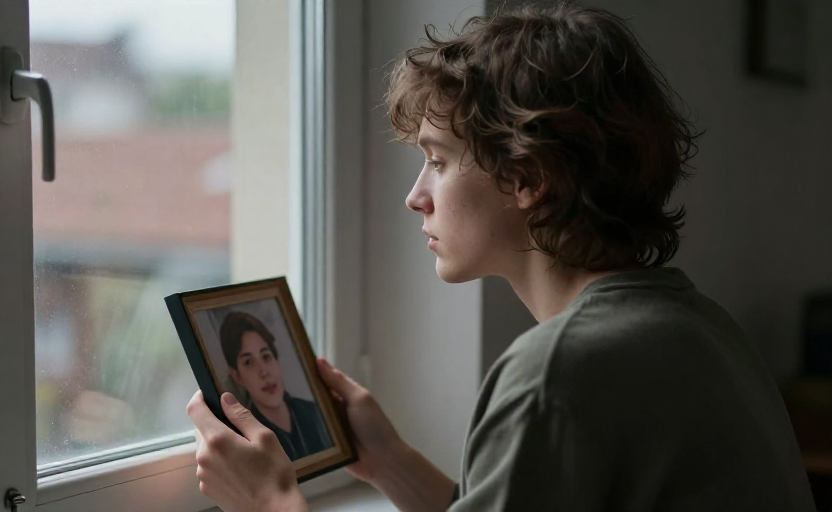
Grief is a natural, human response to loss. It’s a journey with no set timeline, often described as coming in waves. For most people, the intense, acute pain of loss gradually softens, making room for moments of remembrance and a renewed engagement with life. But sometimes, that process gets stuck. The grief doesn’t soften; it remains a constant, heavy presence that can feel impossible to navigate. This is what we call complicated grief.
As a therapist, I often see people who have been struggling in this painful state for months or even years, sometimes without realizing there’s a name for what they’re experiencing. They may feel broken or like they’re “failing” at grieving. Recognizing the warning signs of complicated grief is the first, crucial step toward seeking the specific support that can help.
What is Complicated Grief?
Complicated grief, sometimes referred to as prolonged grief disorder, is more than just a very difficult bereavement. It’s a form of grief that becomes debilitating and persistent, significantly impairing a person’s ability to function. Think of typical grief as a wound that, while painful, slowly heals. Complicated grief is a wound that becomes infected—it remains raw, inflamed, and prevents healing.
The hallmark is a persistent, intense yearning or preoccupation with the deceased that doesn’t lessen with time, coupled with profound emotional pain that disrupts daily life.
It’s important to understand that this isn’t a character flaw or a lack of resilience. It’s a recognized condition that often requires professional intervention to address the specific thought and behavior patterns that keep a person trapped in acute mourning.
Key Warning Signs to Look For
While everyone grieves differently, certain signs, when they persist and dominate your life well beyond the first year after a loss, may indicate complicated grief. These symptoms often cluster together, creating a cycle that’s hard to break.
Intense Longing and Preoccupation
This goes beyond missing someone. It’s a consuming, daily fixation on the person who died and the circumstances of the death. You might find yourself spending hours looking at photos, visiting places you went together, or replaying memories—not with bittersweet nostalgia, but with a desperate, aching intensity. The world can feel empty and meaningless without them, and thoughts of the deceased occupy the majority of your mental space.
Difficulty Accepting the Reality of the Loss
Intellectually, you know they are gone. But emotionally, there’s a profound sense of disbelief or numbness that never fully lifts. You might catch yourself thinking, “I’ll tell them about this later,” or feel a jolt of surprise when you remember they’re not here. In more severe cases, there can be a refusal to believe the death occurred at all, or a feeling that life is unreal or like a dream.
Profound Emotional Pain and Avoidance
The pain isn’t just sadness; it can feel like a physical ache, deep sorrow, anger, or bitterness. This pain is so potent that you may go to great lengths to avoid anything that reminds you of the loss. This could mean avoiding friends you shared with the deceased, clearing out their belongings immediately (or, conversely, leaving their room untouched for years), or steering clear of holidays and anniversaries. The avoidance is an attempt to control the overwhelming pain, but it ultimately prevents processing.
Disrupted Identity and Purpose
A common sentiment is, “A part of me died with them.” With complicated grief, this feeling is all-encompassing. You may struggle to see who you are or what your purpose is now that your role as a spouse, child, parent, or close friend has been radically altered. This loss of identity can lead to social withdrawal, neglecting personal care, and abandoning interests or goals that once defined you.
How It Differs from Typical Grief and Depression
It’s helpful to distinguish complicated grief from other experiences. In typical grief, painful feelings come in waves, mixed with moments of respite and positive memories. Over time, the person begins to adapt to life without the deceased, even while carrying the loss.
Depression shares symptoms like sadness, sleep problems, and loss of interest. However, depression is often characterized by a pervasive low mood and self-critical thoughts, while complicated grief is defined by a specific, intense focus on the loss and the deceased person. The yearning is central.
You might be experiencing complicated grief if, a year or more after the loss:
- Your grief feels as acute as it did in the first few weeks.
- You cannot resume any meaningful routines or social activities.
- Your thoughts are dominated by the loss to the exclusion of almost everything else.
- You feel that life is empty or pointless without the person who died.
What Can Help: Pathways Forward
Recognizing these signs is not a diagnosis, but a signal that specialized support could be beneficial. Complicated grief often responds well to targeted therapeutic approaches.
Complicated Grief Therapy (CGT) is a structured therapy that helps individuals process the loss by revisiting the story of the death in a safe setting, working through avoidance, and rebuilding a connection to the deceased that allows for both remembrance and moving forward. It’s about integrating the loss into your life story, not forgetting.
Other supportive steps include:
- Finding a support group: Connecting with others who have experienced a similar type of loss (e.g., loss of a child, loss to suicide) can reduce the profound isolation.
- Gentle self-care rituals: This isn’t about “fixing” yourself, but about small acts of kindness toward your body and mind—a short walk, preparing a simple meal, maintaining a basic sleep rhythm.
- Creative expression: Writing a letter to the person you lost, creating art, or compiling a memory book can provide an outlet for emotions that feel too big to speak.
If you see these warning signs in yourself or someone you care about, reaching out to a mental health professional familiar with grief and loss is a courageous and vital step. Healing from complicated grief is not about “getting over” someone, but about finding a way to carry your love for them while re-engaging with a life that can, in time, hold meaning again.