
Vaginal dryness is a common experience for many women at various stages of life, yet it's often discussed in hushed tones or not at all. This silence can make it feel isolating, but it's important to know you're far from alone. The sensation isn't just about comfort during intimacy; it's a matter of daily well-being, affecting everything from how you feel in your favorite jeans to your overall sense of physical ease.
Understanding what's happening in your body is the first, most empowering step toward finding relief. This guide walks through the practical reasons behind vaginal dryness, everyday strategies for comfort, and how to recognize when it's time to seek a professional perspective.
What exactly is vaginal dryness?
Medically referred to as vaginal atrophy or atrophic vaginitis, vaginal dryness occurs when the vaginal tissues become thin, dry, and less elastic. This happens primarily due to a drop in estrogen, the hormone responsible for keeping these tissues lubricated, supple, and healthy. Think of estrogen as the moisture manager for the vaginal walls; when levels decline, the tissue can't retain moisture as effectively.
The result isn't just an absence of natural lubrication. The vaginal lining can become more fragile, leading to a sensation of tightness, itching, or a burning feeling. For many, it becomes noticeably apparent during sexual activity, but it can also cause discomfort during exercise, when wearing certain clothing, or even at rest.
What causes the drop in estrogen?
While menopause is the most well-known cause, it's certainly not the only one. Estrogen levels can fluctuate for a variety of reasons, meaning vaginal dryness can affect women long before or after menopause.
- Menopause and Perimenopause: The natural decline in estrogen production during the years leading up to and after menopause is a primary cause.
- Postpartum and Breastfeeding: After childbirth, and particularly while breastfeeding, estrogen levels plummet, which can lead to dryness.
- Cancer Treatments: Chemotherapy and radiation, especially for pelvic cancers, can damage ovarian function and drastically reduce estrogen.
- Surgical Menopause: Removal of the ovaries (oophorectomy) causes an immediate, surgical menopause.
- Certain Medications: Some antidepressants, allergy medications (antihistamines), and hormonal birth control can have a drying effect.
- Stress and Lifestyle Factors: High stress levels, smoking, and inadequate hydration can all influence vaginal tissue health.
Vaginal dryness is a physical symptom, not a reflection of arousal or desire. Separating the two is crucial for both personal understanding and communication with a partner.
Finding everyday comfort and relief
Addressing vaginal dryness often involves a combination of lifestyle habits and targeted products. The goal is to replenish moisture, support the tissue's health, and reduce irritation.
Hydration and diet
What you consume matters for your whole body, including vaginal tissues. Drinking plenty of water is fundamental. Some also find that incorporating foods rich in phytoestrogens—plant-based compounds with mild estrogen-like effects—can be supportive. These are found in soy products, flaxseeds, and chickpeas.
The role of lubricants and moisturizers
These are frontline tools for managing dryness, but they serve different purposes. A lubricant is used during sexual activity to reduce friction. A vaginal moisturizer is used regularly (e.g., every few days) to help rehydrate vaginal tissues and maintain a healthy pH balance, much like a moisturizer for your face.
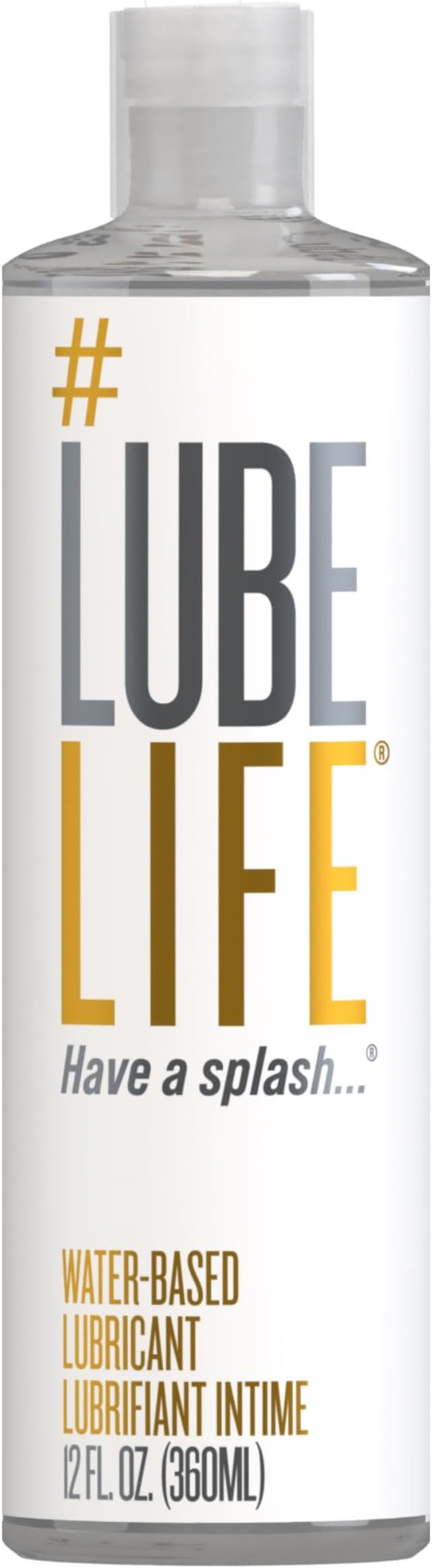
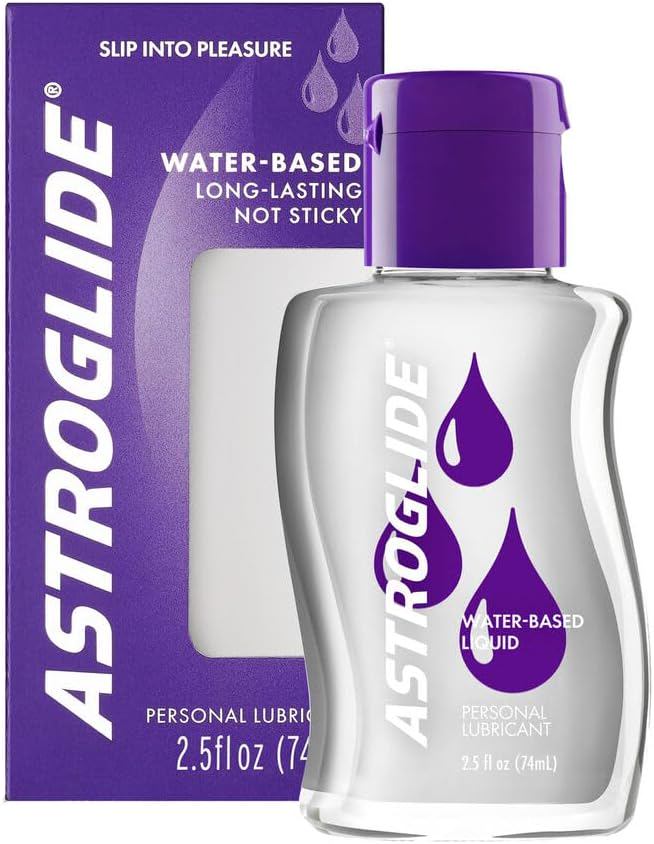
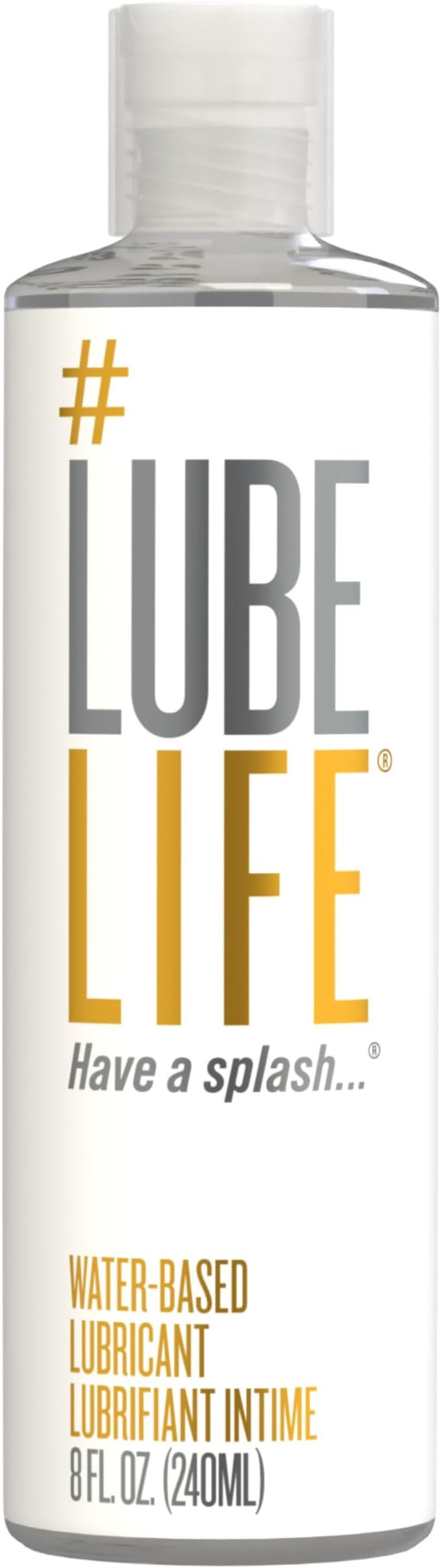
- Water-based lubricants: A versatile choice, easy to clean, and generally safe with condoms. They may need reapplication.
- Silicone-based lubricants: Longer-lasting and more slippery, ideal for water-based activities. They can degrade silicone sex toys.
- Oil-based lubricants: (e.g., coconut oil) Very long-lasting, but should never be used with latex condoms as they can cause breakage.
When choosing any product, look for options without parabens, glycerin, or perfumes, as these can disrupt pH and cause irritation.
Gentle habits for vaginal health
Your daily routine can either soothe or irritate delicate tissues. Opt for gentle, fragrance-free soaps for the external vulva only—the vagina is self-cleaning. Wear breathable, cotton underwear and avoid overly tight clothing for extended periods. If dryness is an issue during sex, incorporating more time for arousal and foreplay can help the body produce its own natural lubrication.
When to talk to a doctor or gynecologist
While over-the-counter solutions help many, it's wise to consult a healthcare provider if:
- Dryness is severe, persistent, or accompanied by bleeding, unusual discharge, or sores.
- You experience pain during sex that doesn't improve with lubricants.
- Over-the-counter options aren't providing enough relief.
- You're unsure about the cause, especially if you have a history of cancer or are on medication.
A discussion with your doctor can open doors to other treatments, such as low-dose vaginal estrogen therapy (available as a cream, tablet, or ring), which acts locally with minimal systemic absorption. For those who cannot use estrogen, non-hormonal prescription options are also available.
Vaginal dryness is a tangible, treatable condition. By approaching it as a common aspect of health—free from shame or embarrassment—you can take clear, practical steps toward greater comfort. It begins with listening to your body, experimenting with safe remedies, and knowing that seeking professional guidance is a sign of proactive self-care, not a last resort.