For many, menstrual cramps are a monthly reality, a dull ache or sharp pang that can disrupt a day. While they're a common sign your body is doing its work, that doesn't mean you have to simply endure them. Finding relief is often about understanding the tools you already have and discovering new, gentle strategies that work with your body's rhythm.
This guide walks through practical, evidence-informed approaches to easing period pain, from the simple comfort of a heating pad to the surprising power of gentle movement. The goal isn't to eliminate the experience, but to navigate it with more ease and less disruption.
Why do menstrual cramps happen?
Primary dysmenorrhea—the medical term for common menstrual cramps—occurs when the uterus contracts to help shed its lining. These contractions are triggered by hormone-like substances called prostaglandins. Higher levels of prostaglandins are linked to more severe cramping and inflammation. It's a natural process, but for some, it can be intensely uncomfortable. Understanding this root cause helps explain why certain remedies, like heat or anti-inflammatory foods, can be so effective.
The foundational comfort of heat
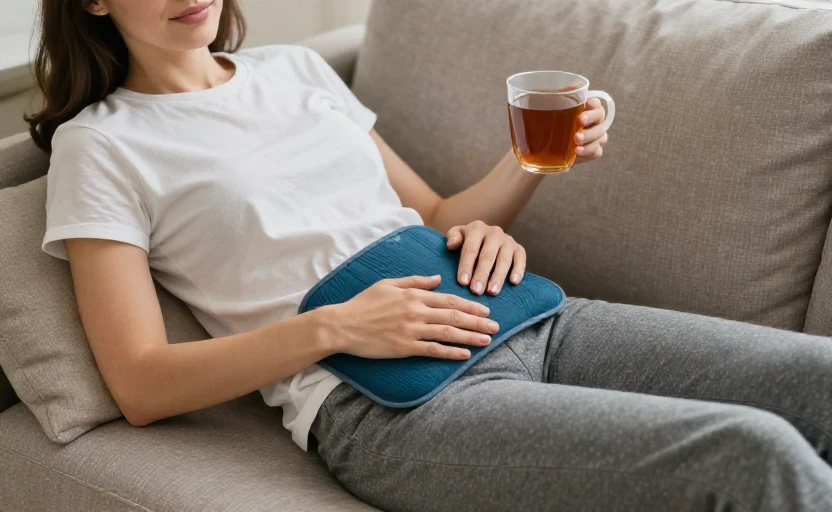
Applying heat is one of the most accessible and immediately soothing strategies for cramp relief. The warmth helps relax the contracting uterine muscles and can improve blood flow to the area, easing the tension that causes pain.
You have several simple options:
- A heating pad or hot water bottle: Placed on your lower abdomen or lower back for 15-20 minutes at a time. Always use a cloth barrier to protect your skin.
- A warm bath or shower: The enveloping heat can relax your entire body, reducing overall tension and stress that can amplify pain perception.
- Self-adhesive heat patches: These discreet, portable options provide low-level heat for several hours, making them ideal for relief at work or on the go.
Think of heat as a direct signal to your muscles to soften and release. It's a time-tested remedy because it works with your body's physiology.
Movement as medicine
The idea of exercising with cramps might seem counterintuitive, but gentle movement can be profoundly helpful. Physical activity stimulates the release of endorphins, your body's natural painkillers, and can improve circulation.
The key is to listen to your body and choose low-intensity, mindful activities. This isn't about a high-intensity workout.
Gentle movement ideas
Walking: A simple, brisk walk can work wonders. The rhythmic motion and fresh air can shift your focus and promote endorphin release.
Yoga or stretching: Focus on gentle, restorative poses that open the hips and abdomen. Poses like Child's Pose, Cat-Cow, or a supine twist can relieve lower back tension and create a sense of spaciousness in the cramping area. Avoid intense core engagement or inversions if they don't feel right.
Tai Chi or Qigong: These slow, flowing movement practices emphasize breath and gentle motion, which can be excellent for managing pain and stress simultaneously.
Nutritional support for easing cramps
What you eat in the days leading up to and during your period can influence inflammation and prostaglandin levels. While no single food is a magic cure, a mindful approach to diet can provide supportive groundwork.
Focus on incorporating foods known for their anti-inflammatory properties:
- Omega-3 fatty acids: Found in fatty fish like salmon, chia seeds, flaxseeds, and walnuts.
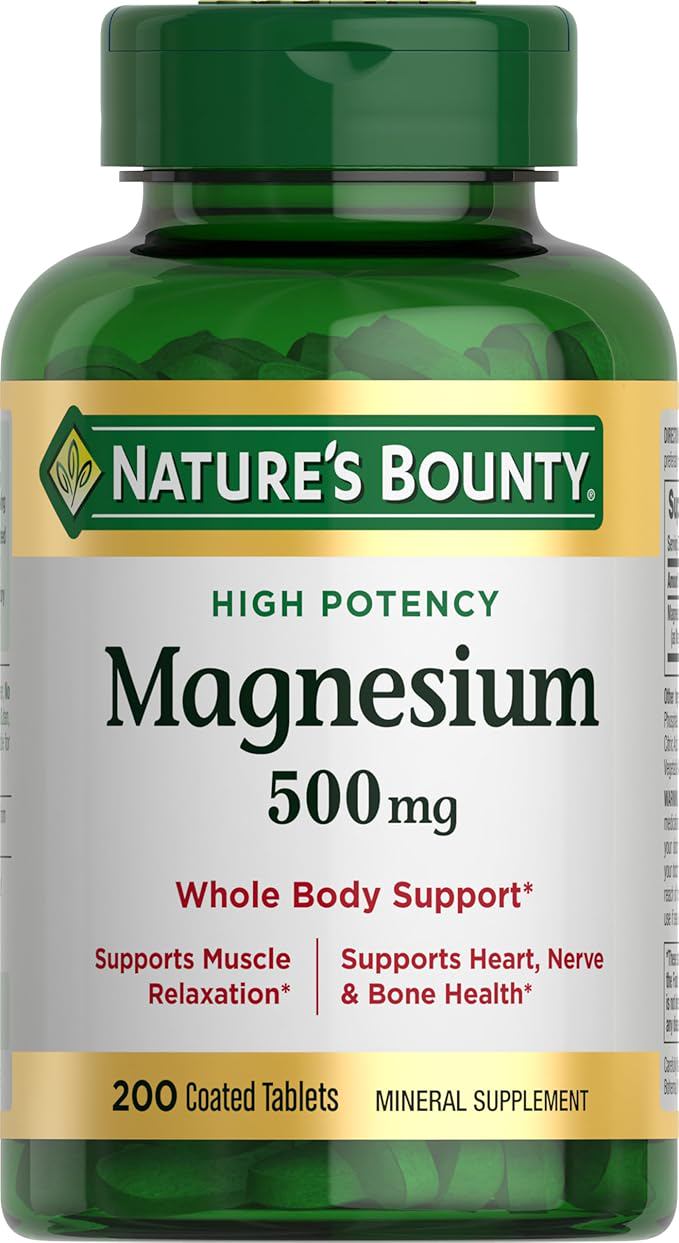
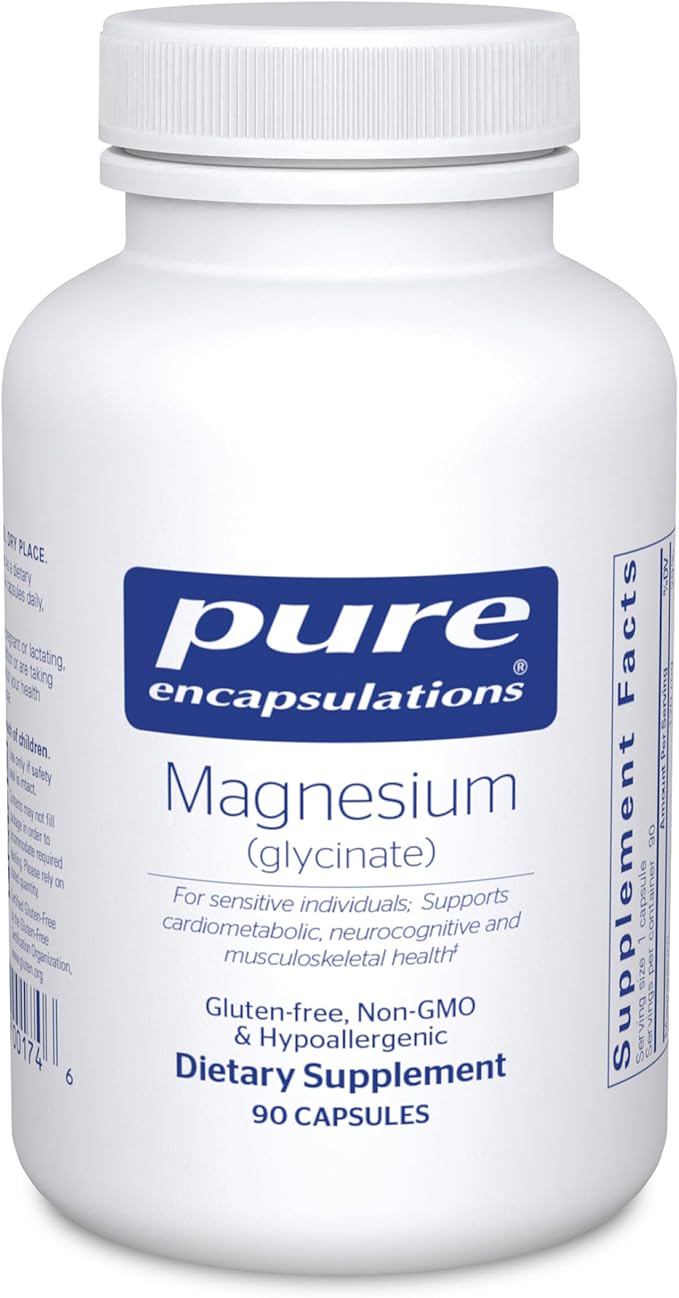
- Magnesium-rich foods: This mineral helps muscle relaxation. Good sources include leafy greens (spinach, kale), nuts, seeds, avocados, and dark chocolate.
- Complex carbohydrates: Whole grains, beans, and vegetables can help maintain stable energy and mood.
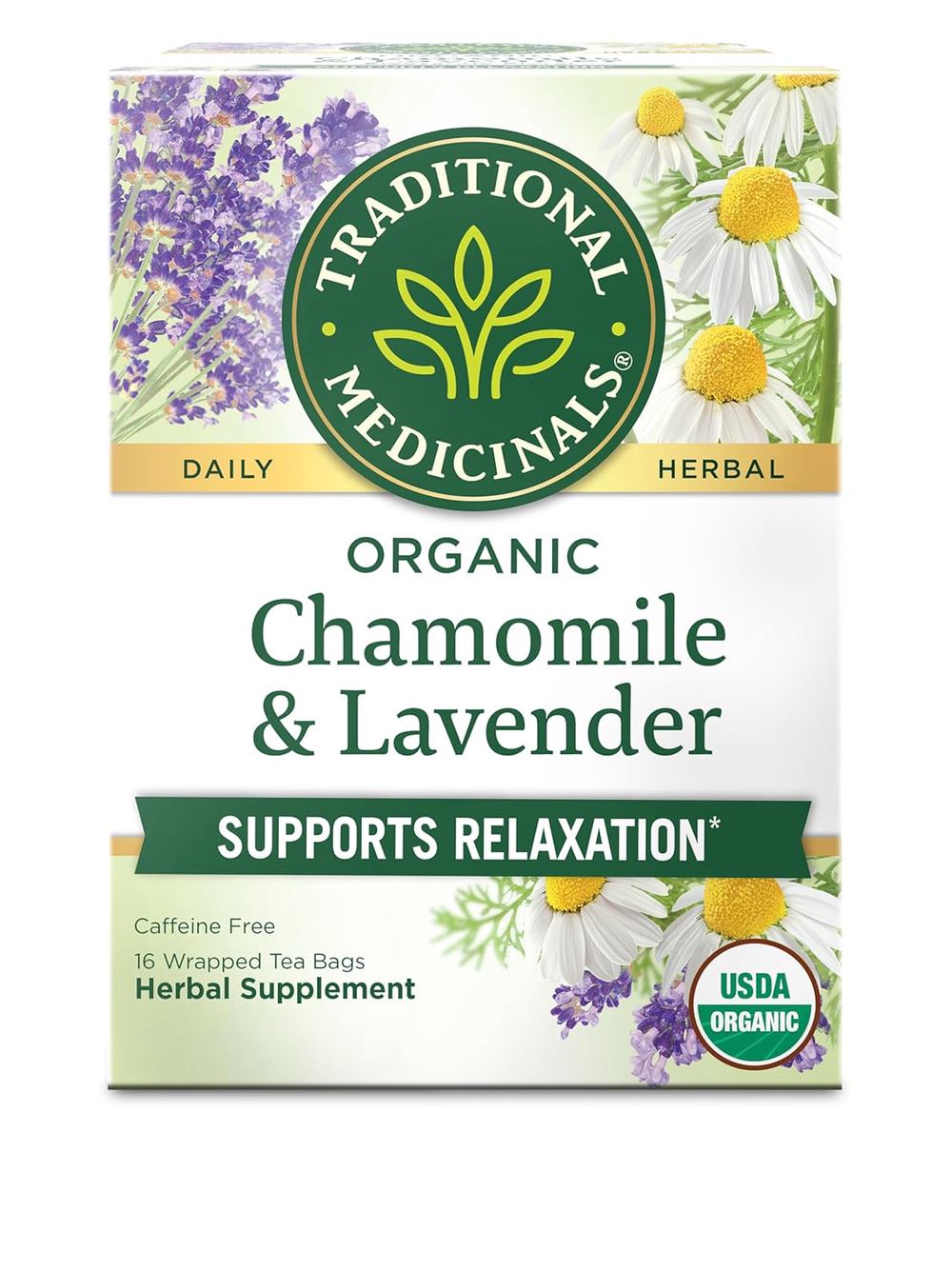
It can also be helpful to temporarily reduce foods that may promote inflammation for some people, such as excessive caffeine, alcohol, and highly processed foods high in salt and sugar. Staying well-hydrated with water or herbal teas is also crucial, as dehydration can worsen muscle cramps.
Mind-body techniques for pain management
Cramp pain isn't just physical; it has a mental and emotional component. Techniques that calm the nervous system can reduce the overall sensation of pain.
Deep breathing: When in pain, we often hold our breath or breathe shallowly. Practicing slow, deep diaphragmatic breaths signals your body to relax. Try inhaling for a count of four, holding for four, and exhaling for six.
Mindfulness or guided meditation: Apps or short online guided sessions can help you observe discomfort without becoming overwhelmed by it, creating a helpful distance from the pain.
Rest and sleep: Never underestimate the healing power of rest. Giving your body permission to slow down and prioritizing good sleep hygiene in the days before your period can build resilience.
When to consult a healthcare provider
While menstrual cramps are common, severe pain that consistently interferes with your daily life is not something you must accept as normal. It's important to speak with a doctor or gynecologist if:
- Your cramps are severe and don't improve with over-the-counter pain relievers or the methods above.
- The pain is suddenly different or worse than your usual pattern.
- You experience heavy bleeding, pass large clots, or have pain accompanied by fever.
- You suspect an underlying condition like endometriosis, adenomyosis, or fibroids.
A healthcare provider can help rule out other causes, discuss prescription options if needed, and ensure you have a management plan that's right for you.
Finding relief from menstrual cramps is often a personal journey of combining strategies. It might be heat plus a walk, or magnesium-rich snacks paired with a breathing exercise. The most practical guide is your own body's response. Start with one gentle intervention, notice what brings you ease, and build your own toolkit for moving through your cycle with greater comfort.