For many, menstrual cramps are a monthly reality that can range from a dull ache to debilitating pain. While over-the-counter pain relievers are a common go-to, they aren't the only path to relief. The foods you eat, how you move your body, and the way you manage stress can all play a significant role in how you experience cramps. This guide explores practical, everyday adjustments that can help you feel more in control of your cycle.
How does what I eat affect cramps?
Your diet can either fuel inflammation or help calm it. During your period, the body releases prostaglandins—hormone-like substances that cause the uterus to contract. Higher levels are linked to more intense cramping. Certain foods can influence this inflammatory process.
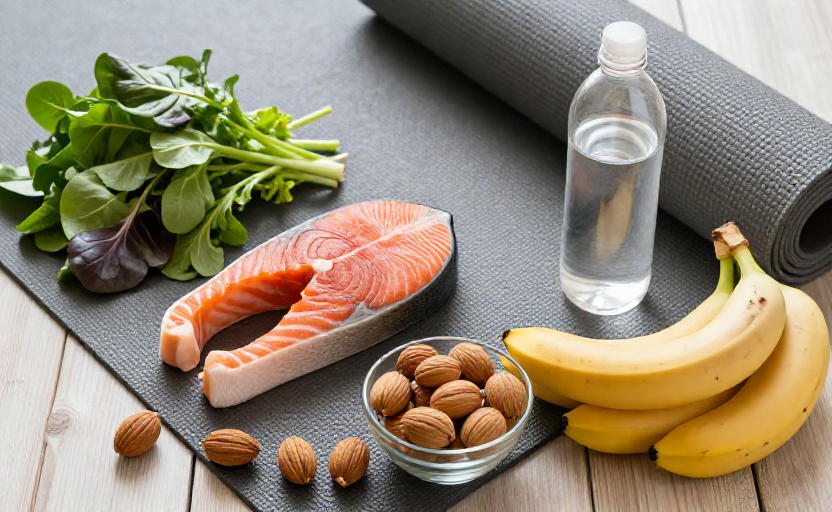
Focusing on anti-inflammatory foods is a helpful strategy. Think of building your meals around colorful fruits and vegetables, which are rich in antioxidants. Fatty fish like salmon and sardines provide omega-3 fatty acids, known for their inflammation-fighting properties. Nuts, seeds, and whole grains are also excellent choices.
Simple swaps can make a difference: try a handful of walnuts instead of chips, or add a spoonful of ground flaxseed to your morning yogurt.
It's also wise to be mindful of foods that might exacerbate bloating and discomfort. Highly processed foods, excessive salt, and refined sugars can contribute to water retention and inflammation. While a sweet treat is perfectly fine, balancing it with nourishing foods can help your body cope better.
Which nutrients are most helpful?
Specific vitamins and minerals have been studied for their role in muscle function and pain modulation. Ensuring you get enough of these through your diet is a foundational step.
Magnesium
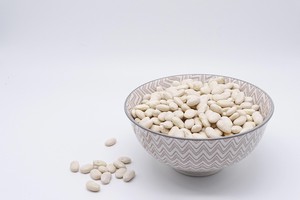
This mineral acts as a muscle relaxant. It can help soothe the uterine muscles that are contracting during cramps. Good dietary sources include leafy greens (like spinach and Swiss chard), almonds, black beans, avocados, and dark chocolate.
Omega-3 Fatty Acids
Found in fatty fish, walnuts, and chia seeds, omega-3s help reduce the production of inflammatory prostaglandins. Incorporating these foods a few times a week can be beneficial.
B Vitamins
Particularly vitamin B1 (thiamine) and B6, these vitamins are involved in nerve function and may help alleviate menstrual pain. You can find them in whole grains, legumes, nuts, and seeds.
Can lifestyle habits really ease the pain?
Absolutely. How you treat your body in the days leading up to and during your period sets the stage for your experience. Lifestyle isn't about perfection; it's about supportive routines.
Gentle movement is powerful. While curling up may feel like the only option, light to moderate exercise can be remarkably effective. Physical activity releases endorphins, your body's natural painkillers. A brisk walk, some gentle yoga, or stretching can increase blood flow and relieve muscle tension. The key is to listen to your body—move in a way that feels good, not punishing.
Heat is a time-tested remedy. Applying a heating pad or hot water bottle to your lower abdomen can work as well as some pain medications for many people. The heat helps relax the contracting muscles and improves circulation. A warm bath can offer full-body relief and relaxation.
Stress management is not a luxury. High stress can worsen pain perception. In the week before your period, try to incorporate calming practices. This could be five minutes of deep breathing, a short meditation, spending time in nature, or simply protecting some quiet time for yourself. Reducing caffeine intake can also help if you're feeling jittery or anxious.
What about hydration and sleep?
These two fundamentals are often overlooked but are critical for managing any type of pain, including cramps.
Staying well-hydrated can prevent the bloating that makes cramps feel worse. When you're dehydrated, your body holds onto water. Aim to drink water consistently throughout the day. Herbal teas like ginger or peppermint can be soothing and contribute to your fluid intake.
Prioritizing sleep gives your body the time it needs to repair and regulate hormones. Fatigue lowers your pain threshold, meaning everything feels more intense. Create a restful bedtime routine and try to get consistent, quality sleep, especially during your luteal phase (the two weeks before your period).
How long does it take to see a difference?
Patience is important. Dietary and lifestyle changes work cumulatively, supporting your body's systems over time. You may notice some benefits, like less bloating or more energy, within a cycle or two. For more significant changes in cramp severity, it often takes a few months of consistent practice as your body's inflammatory balance shifts.
Think of it as building a toolkit rather than seeking a single fix. One month, a heating pad and extra magnesium-rich foods might do the trick. Another month, a daily walk might be the most helpful addition. The goal is to learn what your body responds to best.
It's always wise to consult with a healthcare provider if your cramps are severe, suddenly change, or significantly disrupt your life, as this can help rule out other conditions like endometriosis or fibroids. For many, however, combining mindful eating, gentle movement, and stress-reducing habits can pave the way toward more manageable and comfortable cycles.