
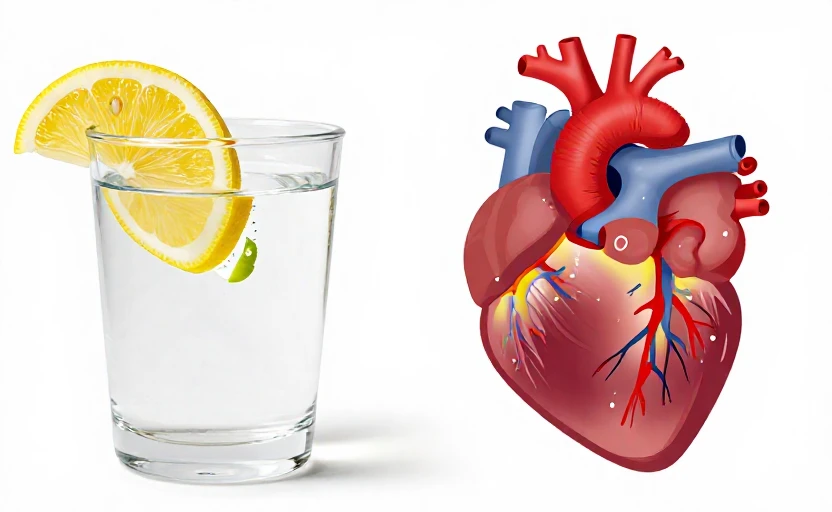
When we think about supporting sexual health, our minds often jump to specific supplements or lifestyle changes. We rarely consider the most fundamental element coursing through our bodies: water. Yet, the simple act of staying adequately hydrated forms a critical, often overlooked, foundation for nearly every physiological process—including those involved in erectile function.
Erectile health is a complex interplay of vascular, neurological, and hormonal systems. For these systems to communicate and function optimally, they rely on a well-hydrated internal environment. Dehydration doesn't just cause thirst; it subtly compromises the very mechanics that support healthy circulation and nerve signaling. This guide explores the practical, everyday connection between the fluids you consume, your overall hydration status, and the support of erectile wellness.
How Hydration Supports Circulation and Nerve Function
An erection is, at its core, a vascular event. It requires robust blood flow to the penile tissues. When you're well-hydrated, your blood volume is sufficient and its viscosity—or thickness—is optimal. This allows your heart to pump blood efficiently throughout your body, including to the peripheral areas essential for sexual response.
Chronic, mild dehydration can lead to slightly thicker blood. Think of it like trying to push maple syrup through a tiny hose versus water. The heart has to work harder, and circulation to extremities can become less efficient. While hydration alone isn't a cure for vascular issues, maintaining good fluid balance helps ensure your circulatory system isn't facing an unnecessary, added burden.
Furthermore, your nervous system depends on proper electrolyte balance—minerals like sodium, potassium, and magnesium that conduct electrical impulses. These electrolytes are dissolved in your body's water. Dehydration disrupts this balance, potentially dulling the sensitive nerve signals involved in sexual arousal and response. Good hydration helps keep these communication lines clear.
Beyond Water: What You Drink Matters
While pure water is the gold standard for hydration, other beverages and foods contribute to your fluid intake. However, their secondary effects can influence erectile health positively or negatively.
Fluids that generally support hydration:
- Water: Plain, still, or sparkling water is calorie-free and directly hydrating.
- Herbal Teas: Non-caffeinated varieties like chamomile or hibiscus add fluid without stimulants. Some, like green tea (in moderation for its caffeine), contain antioxidants that support vascular health.
- Electrolyte-Enhanced Waters or Natural Sources: For those who are active, drinks with balanced electrolytes or water-rich foods like watermelon, cucumber, and oranges can aid rehydration.
Your goal is consistent, clear to light-yellow urine. That's the simplest daily indicator of good hydration.
Fluids to consume mindfully:
- Sugary Sodas and Energy Drinks: High sugar intake is linked to inflammation and endothelial dysfunction—a impairment of the inner lining of blood vessels that is a key factor in erectile difficulties.
- Excessive Alcohol: While a drink might lower inhibitions, alcohol is a diuretic that promotes fluid loss and can depress the central nervous system, interfering with the arousal process and potentially leading to temporary erectile issues.
- Heavy Caffeine: In moderate amounts, caffeine is fine for most. In excess, it can contribute to anxiety and dehydration, both of which may negatively impact sexual performance.
Practical Daily Hydration Habits
Building sustainable hydration habits is more effective than sporadic gulping. Start your day with a glass of water to counter the mild dehydration of sleep. Keep a water bottle at your desk or in your bag as a visual reminder. If you find plain water unappealing, try infusing it with slices of citrus, berries, or mint.
Listen to your body's signals. Thirst is a late sign of dehydration. Drink regularly throughout the day, not just when you feel parched. Monitor your urine color as a practical check. Remember, fluid needs increase with exercise, hot weather, and illness.
The Bigger Picture: Hydration as One Part of the Puzzle
It's crucial to frame hydration correctly. Drinking enough water is a supportive, foundational habit—like getting adequate sleep or managing stress. It is not a standalone treatment for erectile dysfunction (ED), which can have underlying causes such as cardiovascular disease, diabetes, hormonal imbalances, or psychological factors.
If you experience persistent erectile concerns, it is essential to consult a healthcare professional. They can help identify any root causes. In that context, discussing your overall lifestyle, including diet and hydration, provides a complete picture for personalized guidance.
Ultimately, tending to your hydration is a form of self-care that supports your entire body's ecosystem. By ensuring your cells, blood, and nerves have the fluid environment they need to thrive, you're quietly supporting the complex physiological dance that contributes to overall vitality and sexual well-being.