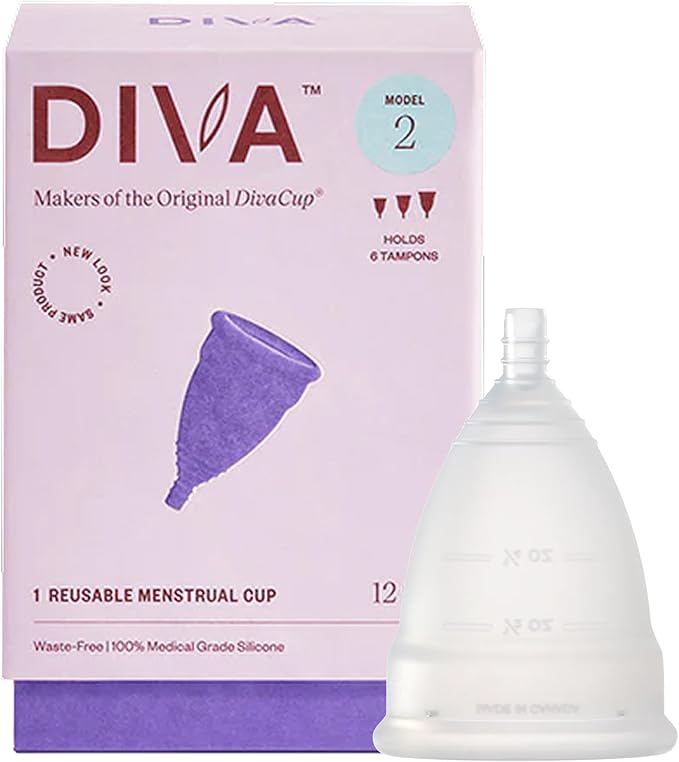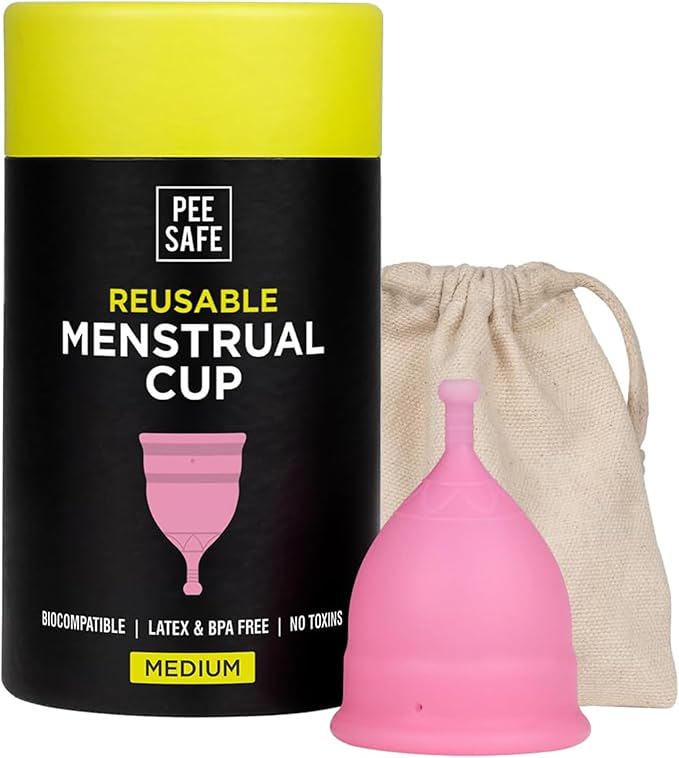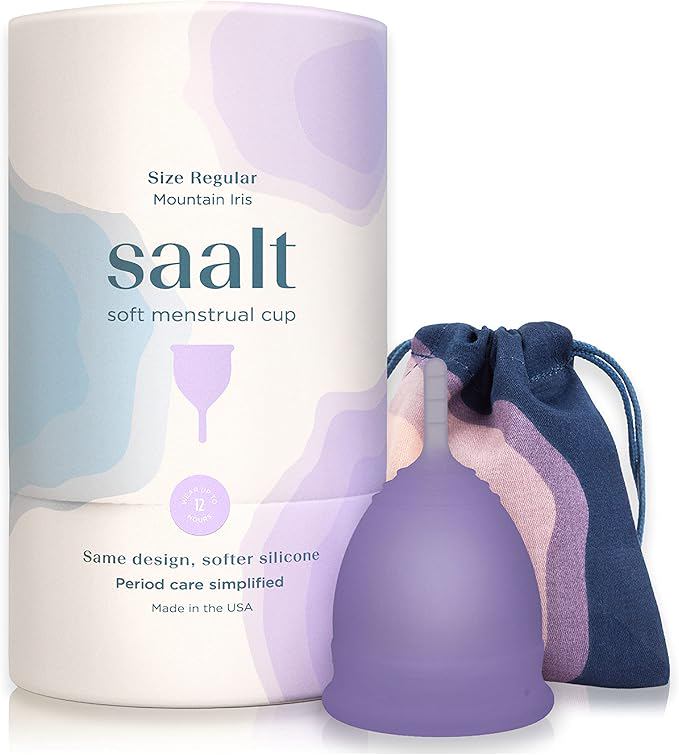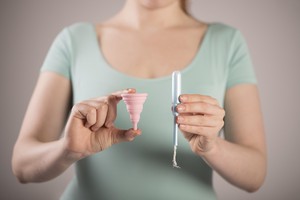
Using a menstrual cup is a great way to reduce waste, save money, and spend fewer hours in the bathroom during your period. But keeping that cup clean is non-negotiable. Unlike a tampon or pad, a cup is reusable, so proper hygiene between uses is the key to avoiding irritation or infection. Here’s a straightforward, safety-first guide to cleaning your menstrual cup at every stage of your cycle.
What you need before you start
Before we get into the how, let’s talk supplies. You don’t need anything fancy. Stick with warm water and a mild, fragrance-free soap—something gentle enough for your face or your hands is usually fine. Avoid antibacterial soaps, heavily scented washes, or oil-based cleansers, as these can leave a residue, degrade the silicone over time, or upset your vaginal pH.
Rinsing between insertions
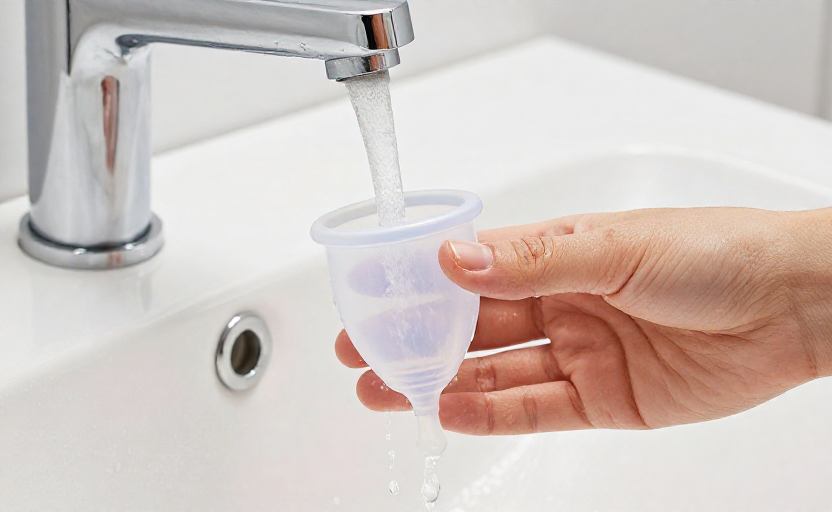
Every time you empty your cup during your period, give it a quick rinse with cool or lukewarm water before reinserting. If you’re in a public restroom without a private sink, you have options: carry a small bottle of water for a quick rinse, or use a clean, damp cloth or unscented wipes specifically made for menstrual cups. Just avoid using toilet paper—it can leave lint that’s hard to rinse off completely.
Deep cleaning between cycles
At the end of your period, your cup deserves a thorough clean before being stored away. The most common method is boiling. Place the cup in a pot of boiling water for 5–10 minutes. Don’t let it sit on the bottom of the pot—use a loose mesh strainer or a dedicated cup-boiling basket to prevent the silicone from scorching. Let it cool completely before handling.
A note on boiling: If you share a kitchen, it’s fine to use a regular pot—just make sure the cup is fully submerged and won’t touch the hot metal. Many people designate a specific “cup pot” to keep things simple.
Other sanitizing options (no stove required)
If boiling isn’t convenient, you have alternatives. Specialized menstrual cup steamers work well and take about 3 minutes. You can also soak your cup in a 3% hydrogen peroxide solution (half peroxide, half cool water) for no more than 20–30 minutes. This method is excellent for removing stains, but don’t leave the cup in too long or the peroxide can start to weaken the silicone. Rinse thoroughly with water afterward.
Drying and storing your cup
After you clean and sanitize your cup, let it air-dry completely before putting it away. Moisture trapped in a storage bag or box is a breeding ground for bacteria. Store your cup in its breathable cotton pouch (not a sealed plastic bag) in a cool, dry place. Avoid direct sunlight or extreme heat, which can warp the cup over time.
What not to do
- Don’t use harsh chemicals. Bleach, rubbing alcohol, acetone, and oil-based cleaners can damage the silicone and cause irritation.
- Avoid abrasive sponges or scrub brushes. Tiny scratches on the cup’s surface can trap bacteria and are impossible to fully clean.
- Skip the dishwasher. The high heat and detergent residue are not designed for silicone and may leave a film or distort the cup.
When to replace your cup
Menstrual cups are durable, but they don’t last forever. With good care, most cups last 3–5 years. Inspect your cup regularly for signs of wear: sticky texture, cracks, tears, discoloration that won’t rinse off, or a change in shape. If it doesn’t spring back into shape when you pinch it, it’s time for a replacement.
Keeping your menstrual cup clean doesn’t have to be complicated. A simple routine—daily rinses during your period, a proper sanitization between cycles, and gentle storage—will keep your cup safe to use cycle after cycle. When in doubt, remember that gentle, fragrance-free, and fully dry are your guiding principles.