You look in the mirror and see a blemish. Is it a tiny whitehead that will be gone in a day or two, or is it something deeper and more stubborn? The difference between cystic acne and a whitehead isn't just about size or pain; it's about where the congestion happens in your skin and how your body reacts to it. Treating both the same way is a recipe for irritation and scarring. This guide will help you spot the difference, understand what each needs, and choose the right approach for your skin.
What is a whitehead? A surface-level clog
A whitehead, or closed comedone, is the most familiar kind of pimple. It forms when a pore gets clogged with a mixture of dead skin cells and oil (sebum), and the top of the pore remains covered by a thin layer of skin. That tiny, whitish or flesh-colored bump you see? That's the trapped material under that skin layer. Whiteheads are considered non-inflammatory acne, meaning there is no deep redness, swelling, or heat involved.
Because they are shallow, whiteheads respond well to gentle exfoliation and topical treatments that help the pore unclog. You can safely use over-the-counter products to manage them, and they rarely leave a scar unless you pick at them.
What is cystic acne? A deep, angry inflammation
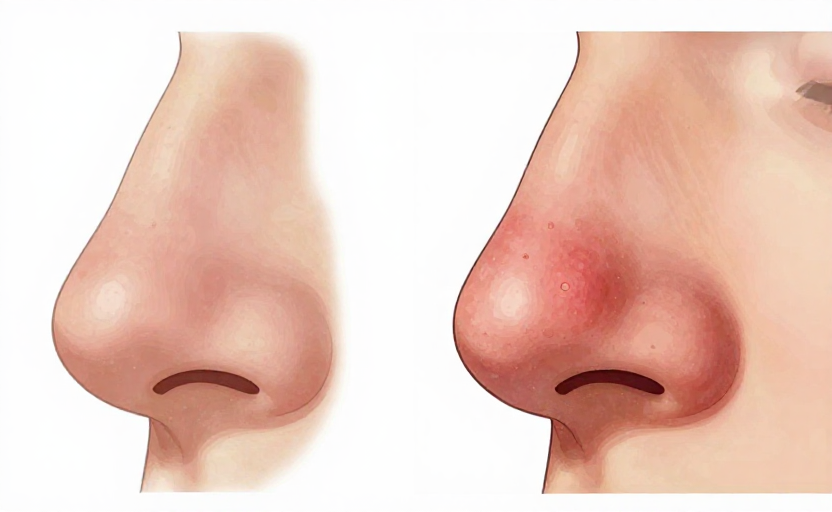
Cystic acne is a completely different beast. It occurs when a pore gets clogged deep within the skin, and the wall of the pore ruptures. This triggers a massive immune response — redness, swelling, heat, and tenderness. Unlike a whitehead, a cyst doesn't have a visible head. Instead, you feel a large, firm, painful bump under the skin. It can take weeks or even months to heal on its own, and it has a very high risk of leaving behind a scar or dark spot.
Because cystic acne is a form of severe inflammatory acne that involves bacteria and an aggressive immune reaction, it often requires professional intervention. Over-the-counter spot treatments are usually too weak to reach the deep infection.
Quick checklist: whitehead vs. cystic acne
- Size: Whitehead is small (pinpoint to a few millimeters). Cyst is large (often a centimeter or more).
- Pain: Whitehead is usually painless. Cyst is tender, throbbing, and painful to the touch.
- Depth: Whitehead is on the surface. Cyst is deep under the skin.
- Appearance: Whitehead has a white or flesh-colored center. Cyst looks like a red, swollen dome with no visible head.
- Healing time: Whitehead heals in a few days. Cyst takes weeks or months.
How to treat whiteheads correctly
The goal with whiteheads is to gently encourage the pore to release its contents without causing irritation. Harsh scrubbing or aggressive drying only makes the skin produce more oil.
Daily gentle exfoliation is the cornerstone. A product with salicylic acid (a beta hydroxy acid) is ideal because it is oil-soluble and can penetrate the pore to break up the clog. Use a cleanser or toner with 0.5% to 2% salicylic acid a few times per week, gradually increasing to daily use if your skin tolerates it.
Retinoids like adapalene (available over the counter) are also highly effective at regulating skin cell turnover and preventing clogs from forming in the first place. Start with a pea-sized amount every other night, and always use sunscreen in the morning because retinoids increase sun sensitivity.
Avoid physical scrubs or pore strips. They can tear the skin and cause micro-tears that lead to infection or scarring.
How to treat cystic acne — a different rulebook
Cystic acne demands a much gentler, hands-off approach. The inflammation is deep and fragile. Picking, squeezing, or trying to pop a cyst will push the infection deeper and cause a worse breakout or a permanent scar.
Instead, focus on calming the inflammation. You can apply a cool compress or an ice cube wrapped in a clean cloth directly to the cyst for short intervals (10 minutes on, 10 minutes off) to reduce swelling and pain. A spot treatment containing benzoyl peroxide can help kill bacteria on the surface, but it won't reach deep into the cyst.
For truly effective treatment, see a board-certified dermatologist. They can inject a corticosteroid directly into the cyst, which shrinks it dramatically within 24-48 hours. They may also prescribe oral medications like antibiotics, spironolactone (for hormonal acne), or isotretinoin for persistent, severe cystic acne.
Shared mistakes to avoid
Whether you have whiteheads or cysts, some habits make everything worse:
- Picking: This is the number one cause of acne scars.
- Over-washing: Washing your face more than twice a day strips protective oils and aggravates inflammation.
- Using heavy or greasy products: Look for the label "non-comedogenic" on your moisturizer and sunscreen.
- Ignoring the stress connection: High stress increases cortisol, which can spike oil production and worsen both types of acne.
When to see a dermatologist
If you have a bump that is painful, does not come to a head, and lasts longer than a week, it is time to get professional help. Also see a dermatologist if you have multiple cysts, if your acne is causing significant emotional distress, or if you notice scarring. Cystic acne is not something you should try to tough out alone — effective medical treatments exist and can prevent permanent damage.