
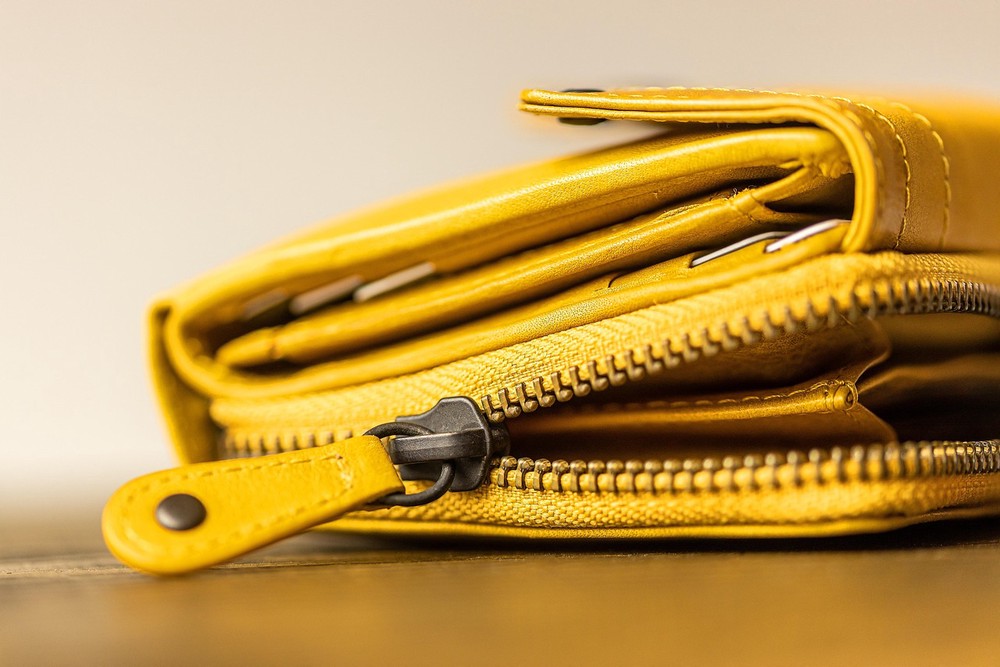
You probably don’t think about your wallet much once it’s in your back pocket. It’s just there—until you sit down. Then that lump under one hip can subtly tilt your pelvis, and over time, that small asymmetry can pull your spine out of its natural alignment. This isn’t about alarmism; it’s about understanding how a daily habit you barely notice can quietly undermine your sitting posture.
The mechanics are straightforward: your pelvis is designed to sit level, distributing your weight evenly across both sit bones (the ischial tuberosities). When you sit on a thick or lumpy wallet, you elevate one side of your pelvis. Your lumbar spine then has to curve—or twist—to compensate. That mild rotation may feel fine for a few minutes, but after an hour or a full workday, your muscles on one side are working harder to keep you upright, while the other side gets lazy. That imbalance is the first step toward chronic discomfort.
What happens to your spine in real time
Imagine sitting on a golf ball. That’s roughly what a bulging wallet does to your gluteal region. Your body instinctively shifts weight away from the lump, which tilts your pelvis to one side. For many people, this means the hip on the wallet side is pushed slightly higher and forward. To keep your head level and your eyes forward, your thoracic spine and shoulders have to counter-rotate. This creates a chain reaction: tightness in the hip flexors on one side, overstretching in the glutes on the other, and a subtle rotation through the lower back. Over a week or month, that repetition teaches your body to hold a twisted posture even when you’re standing.
Consistent, one-sided pelvic elevation under load is a known contributor to non-specific low back pain and sciatica-like symptoms. The wallet itself isn’t the problem—the asymmetry is.
The sciatica connection: What you need to know
Sitting on a wallet is often mentioned in the same breath as sciatica, and for good reason. The sciatic nerve runs from your lower spine through the deep gluteal muscles and down the back of each leg. When your pelvis is tilted, the piriformis muscle (a small rotator deep in the buttock) can become tight and press on the sciatic nerve. In medical circles, this is sometimes called “wallet sciatica” or “wallet neuritis.” It isn’t a formal diagnosis, but the anecdotal evidence is strong: people who carry thick wallets in their back pocket often report a dull ache, tingling, or numbness that radiates down one leg. Moving the wallet to a front pocket or a bag frequently resolves the symptoms within days or weeks.
Of course, not everyone with similar pain will find relief just by relocating their wallet. True sciatica has many causes, including herniated discs and spinal stenosis, and you should always check with a healthcare provider for persistent symptoms. But the wallet tilt is an easy variable to test on your own.
What the numbers say about wallets and posture
Researchers haven’t run extensive clinical trials on the wallet-posture link, but small studies and ergonomic analyses offer useful clues. One pilot study measured pelvic rotation in participants sitting on a stack of coins equivalent to a typical bifold wallet. Even with that modest thickness, pelvic tilt increased noticeably compared to sitting with nothing beneath one hip. Another survey reported that people who regularly sit on back-pocket wallets were more likely to self-report low back stiffness after a workday.
The core message from the ergonomics community is consistent: any object that creates more than about 5–10 millimeters of height difference under one sit bone can alter pelvic symmetry. Many men’s wallets packed with cards and cash easily reach 15–20 millimeters. Adding an old receipt or a phone only thickens the lump.
A quick self-check
- Sit on a firm chair and notice whether one sit bone feels higher or more pressure than the other.
- Place your hands under each hip and see if you can feel a height discrepancy.
- After removing the wallet, see if your shoulders immediately feel more even or your breathing loosens.
If you answer yes to any of these, your wallet may be affecting your posture right now.
How to fix it without losing your carry
You don’t have to stop carrying a wallet—you just need to carry it somewhere else. Here are the most practical shifts:
- Front pocket carry. This is the simplest swap. Today’s minimalist wallets, cardholders, and money clips are slim enough to sit comfortably in a front pocket without creating pressure points. Even a traditional bifold can work in roomier pants.
- Use a bag or pouch. A small crossbody bag, a hip pack, or a briefcase keeps the wallet off your body entirely. This also reduces the risk of pickpocketing in crowded areas.
- Go minimalist. Audit your wallet contents. Do you need that loyalty card from 2019? The single most effective ergonomic change is reducing thickness. Fewer cards and receipts means a flatter wallet.
- Stand more. If you must sit with a wallet in your back pocket, stand up and move every 20 to 30 minutes. Breaking the sustained pressure gives your tissues time to recover.
A general rule: if you can feel your wallet when you sit down, it’s thick enough to affect your posture.
Beyond the wallet: Other everyday culprits
Your wallet isn’t the only object that can disrupt pelvic alignment. A phone in the back pocket, a bulky key ring, or even a thick seam in your pants can create the same one-sided tilt. Women may experience similar issues from sitting on a large coin purse or a bulky lip balm container in a back jeans pocket. The mechanism is identical: any asymmetric pressure under the hip promotes uneven weight distribution.
Posture is the product of thousands of small choices each day. Changing where you keep your wallet is one of the easiest fixes you can make—no equipment, no gym membership, just a simple habit shift. Your spine will thank you, and you’ll still have your cash and cards right where you need them.