If you have oily skin, you’ve likely noticed that breakouts seem to follow a familiar pattern—blackheads on the nose, clogged pores on the chin, the occasional angry pimple on the cheek. The connection between oil and acne isn’t a coincidence; it’s rooted in skin biology. Understanding why oily skin is acne-prone, and how to care for it without making things worse, can change how you approach your routine.
What makes oily skin more vulnerable to breakouts?
Your sebaceous glands produce sebum, a waxy oil that helps protect and moisturize your skin. In oily skin types, these glands are overactive, churning out more sebum than needed. The excess sebum can mix with dead skin cells and clog the follicle—creating a perfect environment for Cutibacterium acnes, the bacteria involved in acne, to thrive. Not every clogged pore turns into a pimple, but when the follicle wall ruptures from pressure, inflammation follows, and that’s when you see redness, swelling, or pus.
The role of hormones and genetics
Hormones, particularly androgens like testosterone, signal your glands to produce sebum. That’s why oily skin and acne often spike during puberty, menstrual cycles, or times of high stress. Genetics also play a part: if your parents had oily, acne-prone skin, you probably will too. Knowing this can help you be patient with your skin—it’s not a sign that you’re doing something wrong.
Key insight: Oily skin itself isn’t “bad.” The problem occurs when excess oil gets trapped. The goal is not to strip away all oil, but to keep pores clear and sebum under control.
Common mistakes when caring for oily, acne-prone skin
Over-cleansing and harsh scrubs
It’s tempting to scrub away every trace of shine, but aggressive cleansers or physical scrubs can strip the skin barrier. When that happens, your glands often overcompensate by producing even more oil. You end up in a rebound cycle—more cleansing, more oil, more breakouts.
Skipping moisturizer
Many people with oily skin skip moisturizer because they think it will clog pores. In reality, well-formulated, non-comedogenic moisturizers help maintain a healthy barrier. Well-hydrated skin is less likely to overproduce sebum as a defense mechanism.
Using heavy or pore-clogging products
Look for labels that say “oil-free” and “non-comedogenic.” Avoid thick, occlusive ingredients like coconut oil, cocoa butter, or heavy silicones if they tend to cause breakouts for you.
Practical steps for caring for oily, acne-prone skin
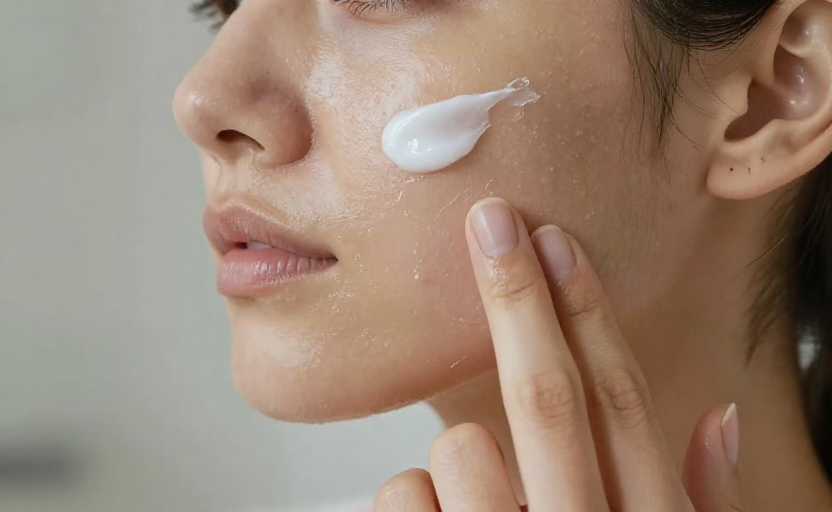
Instead of trying to eliminate oil completely, aim to manage it alongside breakouts. A consistent, gentle routine works better than aggressive spot treatments.
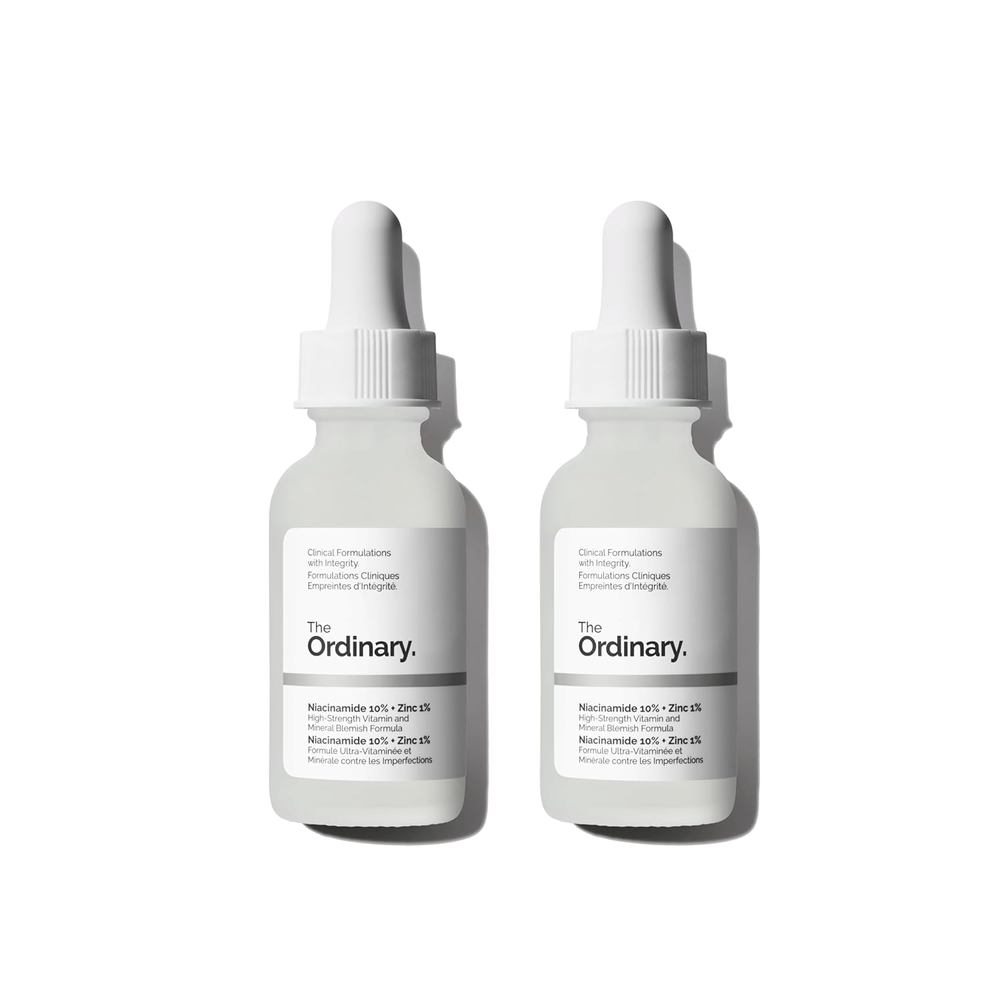
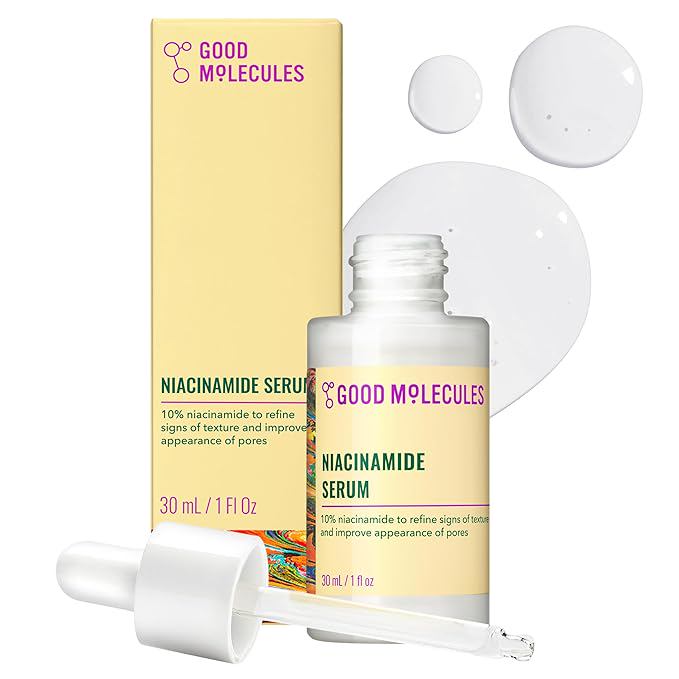
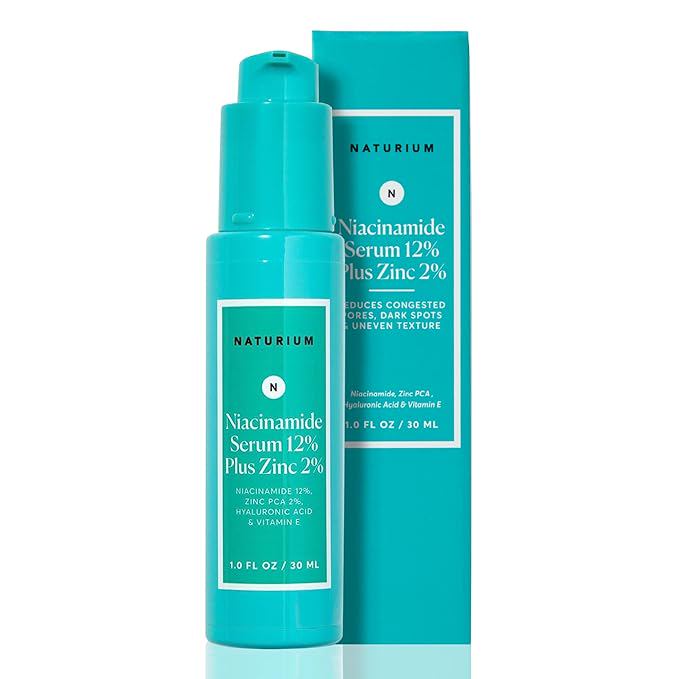
- Cleanse twice a day with a gentle foaming or gel cleanser. Look for salicylic acid (beta hydroxy acid, BHA) or niacinamide—both help unclog pores and regulate oil without stripping.
- Exfoliate gently, 2–3 times per week, using a chemical exfoliant like a BHA toner or serum. Avoid using them on the same day as retinoids or other strong actives.
- Use a lightweight moisturizer that contains ceramides or hyaluronic acid. Gel or water-based formulations are often ideal.
- Include a retinoid (like over-the-counter adapalene or a retinol serum) at night if your skin tolerates it. Retinoids help normalize cell turnover and reduce clogged pores over time.
- Wear broad-spectrum sunscreen daily. Many acne treatments increase sun sensitivity, and sun exposure can worsen inflammation and post-acne marks. Choose a mattifying, oil-free SPF 30 or higher.
Ingredients that work—and those to watch
Some ingredients are particularly helpful for oily, acne-prone skin: salicylic acid, niacinamide (vitamin B3), zinc, and sulfur. They address both oil production and the bacteria factor. Ingredients like alcohol denat., witch hazel (in high concentrations), and sodium lauryl sulfate are often too drying—they may feel good initially but can backfire over time.
If you have inflammatory acne (red, swollen pimples or cystic breakouts), it’s worth consulting a dermatologist. What works for blackheads may not be enough for deeper acne. Prescription options like topical clindamycin or spironolactone (for hormonal acne) can be game changers, but they require professional guidance.
When to expect results
Skin cell turnover takes about 28 days, and consistency is everything. You might not see improvement in the first week. If a product causes stinging, peeling, or a sudden breakout, discontinue it and introduce new products one at a time. The goal of caring for oily, acne-prone skin is not to achieve a “matte” finish 24/7—it’s to reduce breakouts, soothe inflammation, and keep your skin healthy without creating new issues.