
You have probably heard that fiber is good for you. You have also probably heard that your gut bacteria are important. But linking those two facts into a simple, actionable habit can feel vague. Let’s get specific: why does eating fiber in the morning, in particular, matter for the trillions of microbes living in your digestive tract?
It is not just about getting enough fiber across the whole day, though that is important. The timing—specifically the first few hours after you wake up—creates a unique window of opportunity for your gut ecosystem. Here is the practical science behind the morning-fiber strategy, and how to make it work without turning breakfast into a complicated project.
What your gut bacteria actually do with fiber
When you eat plant foods—vegetables, fruits, legumes, whole grains, nuts, seeds—your small intestine cannot digest the fibrous parts. Those bits travel down to your large intestine, where your resident gut bacteria get to work. They ferment the fiber, producing short-chain fatty acids (SCFAs) like butyrate, acetate, and propionate. These molecules do not just hang around in your colon; they enter your bloodstream and influence inflammation, appetite hormones, blood sugar regulation, and even immune function.
Think of fiber as fertilizer for the good bugs, not as roughage that just passes through.
If you skip fiber in the morning, you are sending your microbes a signal that no fuel is coming for many more hours. For a bacterial community that operates on a circadian rhythm of its own, that matters.
Your gut microbes run on a clock
Your body is governed by a master clock in the brain, but nearly every organ and cell type—including your gut bacteria—has its own daily rhythm. The composition and activity of your microbiome shift over a 24-hour cycle. In the morning, the bacterial population that thrives on fermentable fibers is more active and more abundant than it is late at night.
When you feed these morning-active bacteria with fiber, you get a bigger fermentation response. The production of SCFAs peaks higher. That morning surge of butyrate, in particular, helps strengthen the gut barrier and signals to your liver and brain that daytime metabolism has started. If you wait until dinner to eat the bulk of your fiber, you are feeding a different, smaller population of bacteria at a less optimal time. You still get some benefit, but you miss the coordinated metabolic boost that the morning window provides.
How morning fiber affects your whole day
Beyond the bacterial clock, there is a downstream effect on you, the host. A morning dose of fermentable fiber slows the absorption of sugar from breakfast. Instead of a rapid spike and crash, your blood glucose rises and falls more gently. That translates to steadier energy, fewer mid-morning cravings, and less of the “hungry-for-carbs-by-10-am” feeling.
Because the fermentation process also produces satiety hormones, a high-fiber breakfast helps you feel fuller more quickly and stay satisfied longer. This is not about raw willpower; it is a biochemical cascade that begins with what you eat (or do not eat) in the first meal of the day.
Practical ways to add morning fiber without a major overhaul
You do not need a smoothie bowl that looks like a farmers market exploded. You need consistency. Here are four realistic entry points:
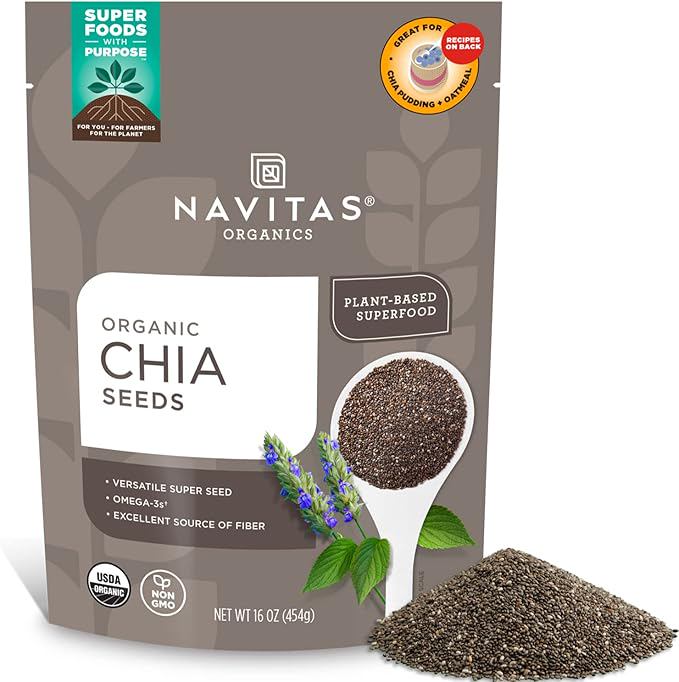
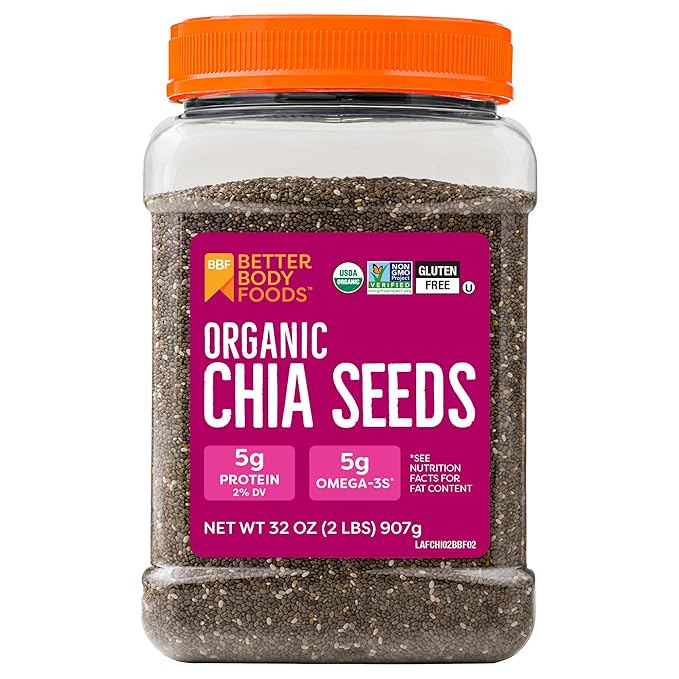
- Add one tablespoon of ground flaxseed or chia seeds to yogurt, oatmeal, a smoothie, or even cottage cheese. That single addition delivers about 3 grams of fiber without changing how your morning feels.
- Eat whole fruit instead of drinking juice. A medium apple with the skin on provides around 4.5 grams of fiber, while a glass of apple juice provides virtually none. The chewing also slows you down, which helps digestion.
- Choose a higher-fiber cereal or oatmeal. Look for options with at least 3 grams of fiber per serving, and skip the sugary flavored packets. Rolled oats or steel-cut oats with berries and nuts are a one-dish solution.
- Keep prepped vegetables handy. If you are not a breakfast person, try a handful of baby carrots or a sliced bell pepper with hummus within an hour of waking. You do not have to eat traditional breakfast foods to get the benefit.
A common mistake that undermines the habit
Many people try to jump-start their morning fiber with a huge glass of water and a supplement powder. While fiber supplements can fill a gap, they do not mimic the complexity of whole-food fiber. Different bacteria strains want different types of fiber—soluble, insoluble, pectins, resistant starches. Relying on a single isolate powder feeds only a narrow slice of your microbial community.
The better approach is to vary your fiber sources across the week. A morning with oats, another with beans or lentils, another with a pear and almonds, another with leftover roasted vegetables. Diversity on your plate translates directly to diversity in your gut.
The other trap is ramping up too fast. If you are not used to a lot of fiber, doubling your intake overnight can cause bloating, gas, and cramping. Increase slowly, and drink enough water throughout the day—fiber without enough fluid can actually worsen constipation.
The bottom line
Morning fiber is not a magic bullet, and it does not replace the need for good fiber intake throughout the rest of your meals. But it is a strategic, low-effort lever that aligns with how your body and its microbes are wired to work. If you can make the first hour of your day include a serving of whole-plant fiber, you will likely find that your energy, digestion, and even your food choices for the rest of the day improve—without having to think much about it.
This content is for general wellness education only and does not constitute medical advice. Always consult your healthcare provider before making significant changes to your diet, especially if you have a digestive condition or take medications that affect gut function.