
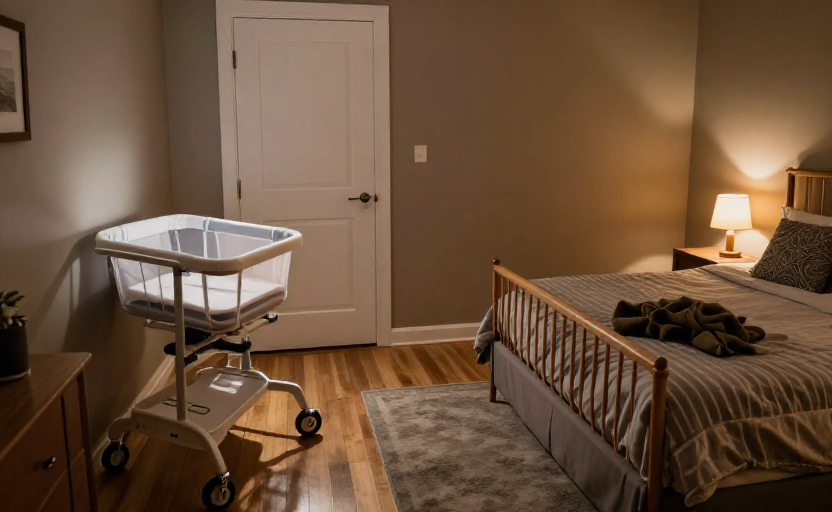
Sleeping arrangements in multigenerational homes often mean balancing comfort, convenience, and safety—especially when grandparents, parents, and young children share close quarters. Co-sleeping (a broad term that covers room-sharing and bed-sharing) has been a human norm for centuries, and in a home with multiple generations under one roof, it can foster closeness and simplify nighttime care. Yet safety remains the non-negotiable foundation. Whether you're a parent sharing a room with an infant while caring for an older relative, or an adult child sleeping near an aging parent to monitor their health, knowing how to set up a safe sleep environment for every age group is essential.
This guide focuses on the practical steps families can take to minimize risks—particularly the risk of Sudden Infant Death Syndrome (SIDS) for babies, and fall or suffocation hazards for older adults—when co-sleeping across generations. We’ll walk through room-sharing vs. bed-sharing distinctions, surface choices, and how to create a setup that works for everyone in a shared space.
The Difference Between Room-Sharing and Bed-Sharing
One of the most common misunderstandings is lumping all co-sleeping arrangements together. For infants under one year, the American Academy of Pediatrics (AAP) strongly recommends room-sharing (infant sleeping in the same room as parents, on a separate sleep surface) because it can reduce the risk of SIDS by as much as 50%. Bed-sharing—where the baby sleeps on the same adult mattress—carries increased risks of accidental suffocation, entrapment, and overlay, and is not advised for babies under four months, especially if anyone in the bed is a smoker, has used alcohol or sedating medications, or is overly tired.
For older adults in a multigenerational home, co-sleeping often means an adult child sleeping in the same room or a nearby bed to provide nighttime assistance. Here, the primary risks shift toward fall prevention, medication access, and maintaining clear pathways. The goal is to keep the specific needs of each generation separate while still sharing a room.
Safe Sleep Setup for Infants in a Shared Room
If your multigenerational home has a nursery or a shared bedroom where a baby sleeps near an older relative or parent, the physical setup matters more than any other factor.
- Use a dedicated sleep surface. A firm, flat mattress inside a bassinet, portable crib, or full-size crib with a tight-fitting sheet is non-negotiable. The sleep surface should meet current safety standards (look for JPMA or ASTM certification). No pillows, blankets, bumper pads, stuffed animals, or soft bedding should be in the infant’s sleep space.
- Position the infant’s sleep area away from hazards. Keep the baby’s bassinet or crib at least three feet from curtains, blinds, cords, space heaters, and the edges of adult beds or furniture that could create entrapment gaps. In a room shared with an older adult, ensure the baby’s area is not near a walker, oxygen tubing, or medication bottles.
- Maintain a safe room temperature. Overheating increases SIDS risk. Keep the room cool (68–72°F / 20–22°C), dress the infant in one layer more than a comfortable adult, and never cover the baby’s face or head with a blanket. If a grandparent prefers warmer room temps, consider using a personal fan or separate temperature zone near the baby.
- Place the sleep surface level and stable. No inclined sleepers, rockers, or car seats for routine sleep. The infant should always sleep on their back—on a flat, firm surface—until they can roll over independently.
Adapting the Room for an Older Adult’s Needs
When an aging parent or grandparent shares a room with a child or grandchild, their safety needs are different but equally important.
- Prioritize clear pathways to the bathroom. Older adults who get up at night are at high risk of falls. Remove scatter rugs, secure cords, and ensure a clear, well-lit path from the bed to the door or en-suite bathroom. Nightlights with motion sensors or low-glow plug-ins help without disrupting an infant’s sleep.
- Use a low, stable bed with rails if needed. If the older adult is unsteady, a hospital bed or a standard bed with side rails can prevent falls. If a bed rail is used, check that it is properly installed to avoid gaps where a person or limb could become trapped. For those using a walker or cane, ensure the bed height allows easy sit-to-stand transitions.
- Manage assistive devices and medications safely. Oxygen tanks, CPAP machines, and medication organizers should be placed on a stable surface away from the baby’s reach and sleep area. Label cords and tubing so they don’t become tripping hazards or tangle risks for young children exploring the room.
- Separate bedding and pillows. Unlike infants, older adults need pillows and blankets for comfort. To reduce the risk of suffocation or overheating for a baby sharing the same room, use a physical barrier like a room divider, or place the baby’s sleep space in a corner with a clear buffer zone. Never let an infant sleep directly next to an adult bed or on a pillow.
Shared Sleep Surfaces: What About Family Beds?
Some multigenerational families choose to have a child or grandparent bed-share on a larger mattress (e.g., a California king) for cultural, emotional, or space-saving reasons. If bed-sharing is part of your family’s plan, take extra precautions:
- For infants: minimize bed-sharing risks if you choose to do it. Put the baby on a firm mattress away from pillows and blankets. Remove thick comforters and duvets. The parent should be a non-smoker, sober, and not excessively fatigued. Never bed-share with an infant on a couch, armchair, or waterbed—these surfaces are highly dangerous.
- For older adults: check mattress firmness and height. A very soft mattress can increase fall risk for an older adult with limited mobility. A mattress that is too high off the ground can also be unsafe. Consider using a bed rail or placing the mattress directly on the floor to reduce fall height.
- For everyone: maintain a smoke-free environment. Smoking near a shared sleep surface dramatically increases SIDS risk for infants and respiratory risk for older adults. Enforce a no-smoking policy in the entire home, or at minimum, never smoke in or near the sleeping area.
Creating a Multigenerational Sleep Schedule & Routine
Practical logistics go beyond the physical setup. In a multigenerational home, coordinating sleep schedules can prevent nighttime disruptions that increase risk.
- Respect different bedtimes. If an older adult goes to bed earlier than parents, designate a quiet, low-light space for the baby’s last feeding or bedtime routine. Use white noise machines (at a safe volume, not directly next to anyone’s ear) to mask sounds.
- Use separate monitors. A baby monitor with two-way audio or video allows you to check on an infant from another room if your older relative is sleeping in the same space and you need to step away. This reduces the need to turn on lights and risk falls.
- Prepare for nighttime needs in advance. Keep a small basket or caddy with diapers, wipes, a change of clothes, and a water bottle for the older adult near each person’s sleep area. This minimizes unnecessary movement and disorientation at night.
When Co-Sleeping Isn’t Working
Sometimes, despite best intentions, sharing a room creates more stress than benefit. Signs that the setup may need to change include: an infant who starts waking more frequently in a shared space (often due to adult noise or light), an older adult who reports poor sleep quality or increased anxiety, or a parent who is chronically exhausted from disrupted sleep. In these cases, consider small adjustments like a room divider, blackout curtains, or a white noise machine before fully rearranging the home. If space allows, a temporary second sleep area—such as a foldable bed or twin mattress in an adjacent hallway or study—can provide a safe alternative without requiring a separate room.
A safe sleep arrangement in a multigenerational home is less about where everyone sleeps and more about how well each person’s needs are separated and supported. The right setup is the one that lets everyone rest without added risk.
Ultimately, there is no single “right” way to co-sleep in a multigenerational home. The safest arrangement is one that acknowledges the unique vulnerabilities of each generation—infants’ need for a bare, firm sleep space; older adults’ need for fall prevention and easy access; and the family’s realistic ability to supervise overnight. By making small, intentional choices about surfaces, positioning, and daily routines, you can create a shared sleep environment that is both emotionally warm and physically secure.