Waking up drenched, throwing off the covers, then shivering in the damp sheets—if this nightly cycle feels all too familiar, you're not alone. Night sweats are one of the most common and disruptive symptoms of perimenopause and menopause. While hormone therapy (HT) is a well-known path for some, many women seek, require, or simply prefer non-hormonal approaches. The good news is you have more options than you might think. This guide walks through the practical, evidence-informed strategies that can help you reclaim a cooler, more restful night.
It's helpful to understand the 'why' behind the sweat. Night sweats, like hot flashes, are primarily a thermostat issue. Fluctuating estrogen levels confuse your hypothalamus—the part of your brain that regulates body temperature. It mistakenly thinks you're overheating and triggers a cooling response: dilated blood vessels and sweat. Non-hormonal treatments work by either helping to stabilize that internal thermostat, mitigating the triggers, or managing the symptom's impact on your life.
Lifestyle and Environmental Adjustments
Often the most effective place to start is with your immediate surroundings and daily habits. These changes cost little, have no side effects, and can make a profound difference.
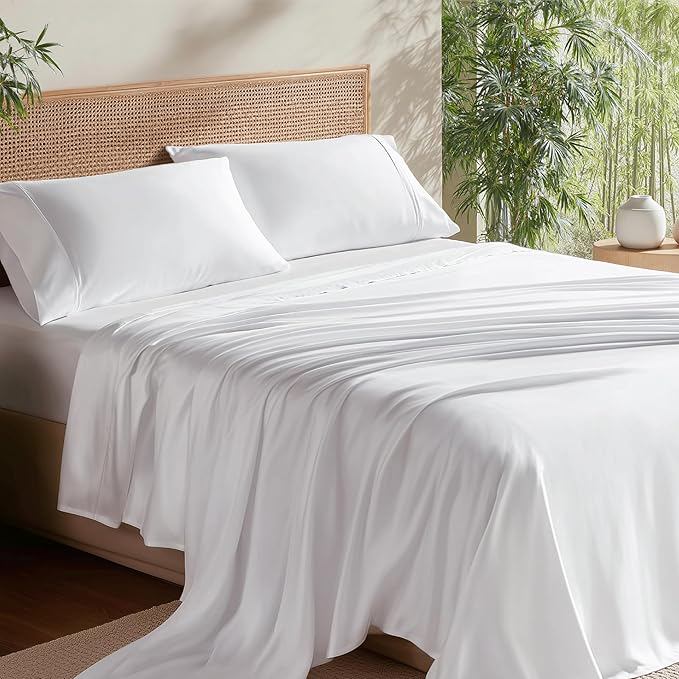
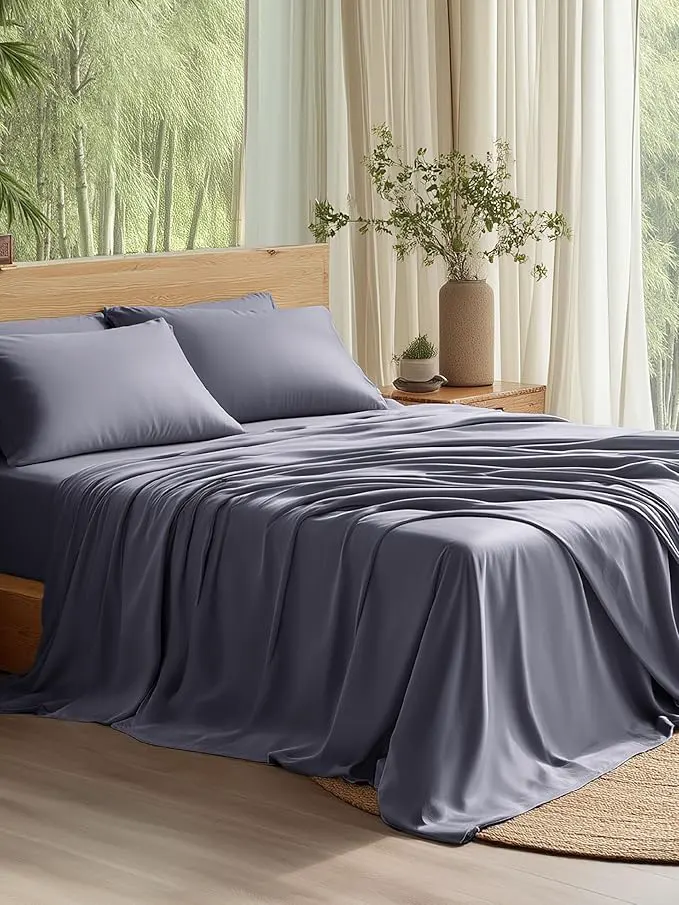
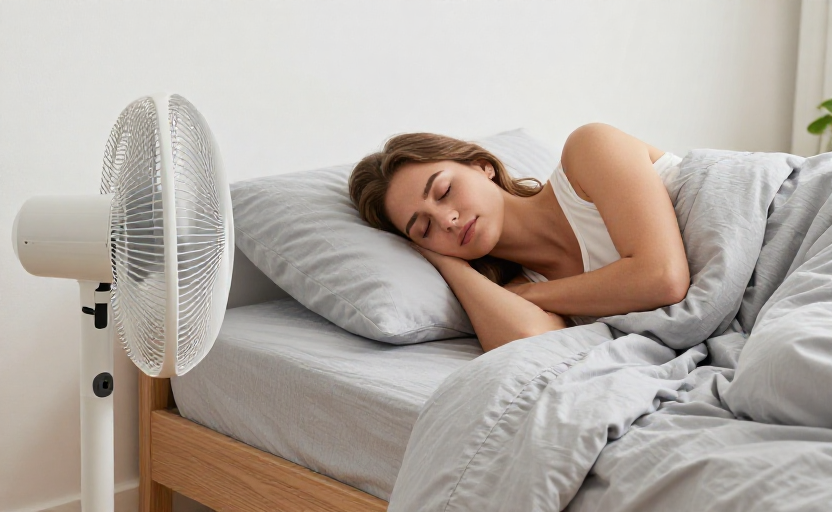
Your bedroom should be a cool sanctuary. Aim for a room temperature around 65°F (18°C). Use fans for air circulation—a ceiling fan or a quiet oscillating fan by the bed. Consider moisture-wicking bedding made from bamboo, Tencel, or specialized cotton. These fabrics pull sweat away from your skin much more effectively than traditional cotton or polyester. Layer your bedding with light blankets you can easily kick off.
What you wear matters, too. Opt for loose, breathable pajamas in natural fibers. Keep a fresh set and perhaps a towel on your nightstand for quick changes if you do wake up damp.
Mindful Daily Habits
Your daytime choices echo into the night. Spicy foods, caffeine, and alcohol are common triggers for many women, especially when consumed in the evening. Try keeping a simple log for a week: note what you ate and drank, your stress levels, and the severity of your night sweats. You might spot a pattern you can easily adjust.
Regular exercise is a cornerstone of managing menopause symptoms, but timing is key. Vigorous activity too close to bedtime can raise your core body temperature and disrupt sleep. Aim to finish intense workouts at least three hours before bed. Gentle evening movement like yoga or stretching can be beneficial, however.
Dietary Considerations and Supplements
While no single food is a magic cure, a balanced diet supports overall hormonal balance and can reduce inflammation, which may lessen symptom severity. Phytoestrogens—plant-based compounds with weak estrogen-like effects—are a frequent topic of discussion. They are found in foods like soy (tofu, tempeh, edamame), flaxseeds, and chickpeas.
Incorporating these foods as part of a varied diet is a sensible approach, rather than relying on them as a sole treatment.
When it comes to supplements, research is mixed, but some have shown promise in clinical studies. It's crucial to discuss any supplement with your healthcare provider, as they can interact with medications.
- Black Cohosh: This herb has been widely studied for menopause symptoms. Some trials show a reduction in hot flash frequency, while others show no effect. It's generally considered safe for short-term use (up to six months) for most people.
- Sage: Sage leaf extract has demonstrated effectiveness in reducing the intensity and frequency of hot flashes and night sweats in several studies.
- Vitamin E: Some older studies suggest a modest reduction in hot flash frequency with vitamin E supplementation.
Remember, the supplement industry is not tightly regulated. Choose brands that are third-party tested for purity and potency (look for seals like USP or NSF).
Mind-Body and Behavioral Techniques
The connection between your mind and your body's temperature control is powerful. Stress and anxiety can directly trigger or worsen hot flashes and night sweats. Techniques that calm the nervous system can be remarkably effective tools.
Paced Breathing: This isn't just casual deep breathing. Slow, deep, diaphragmatic breathing—about 6 to 8 breaths per minute—can reduce the frequency and severity of hot flashes. Practice for 15 minutes twice a day, and try to use the technique at the first sign of a flash or when you wake up sweating.
Cognitive Behavioral Therapy (CBT): CBT for menopause doesn't stop the sweats themselves. Instead, it helps change the way you perceive and react to them. It can reduce how bothered you are by the symptoms, improve sleep quality, and lower the impact on your daily life. This structured therapy can be learned with a therapist or through evidence-based self-help programs.
Mindfulness and Meditation: Regular practice lowers baseline stress and improves sleep hygiene, making you less reactive to nighttime awakenings from sweats.
When to Talk to Your Doctor
Non-hormonal doesn't mean going it alone. A conversation with your healthcare provider is essential. They can confirm that your symptoms are related to menopause and rule out other causes of night sweats, such as thyroid issues, infections, or certain medications.
If lifestyle and complementary approaches aren't providing enough relief, ask about prescription non-hormonal medications. Certain antidepressants in a low dose (like paroxetine or venlafaxine) and an anti-seizure medication (gabapentin) are FDA-approved and clinically proven to reduce the frequency of hot flashes and night sweats. They work by affecting neurotransmitters in the brain that regulate temperature.
This is a partnership. Be prepared to describe your symptoms clearly: how many nights a week they occur, how much they disrupt your sleep, and what you've already tried. This information helps your provider guide you toward the most appropriate next step.
Finding what works for night sweats is often a process of gentle experimentation. It might be a combination of cooler pajamas, cutting out that evening glass of wine, and ten minutes of paced breathing before bed. The goal isn't necessarily perfection, but improvement—more restful nights, less frustration, and the confidence that you have a toolkit of strategies to rely on. Be patient with yourself and celebrate the small victories along the way.