
If your relationship with bedtime resembles a negotiation you always lose, you are not alone. You tell yourself you will wind down, yet an hour later you are deep in a rabbit hole of social media or staring at the ceiling wondering why sleep feels so elusive. A reliable bedtime routine is often the missing link between wanting more rest and actually getting it. It is not about rigid rules; it is about signaling to your brain, in a language it understands, that it is safe to transition from the noise of the day to the quiet of the night.
Think of a routine as a gentle bridge, not a barricade. The goal is consistency, not perfection. Below is a practical, step-by-step path to building a ritual that works for your actual life, not some idealized version of it.
Start with a Fixed Wake Time (Everything Else Follows)
This may sound counterintuitive in an article about bedtime, but the single most effective anchor for any sleep routine is the time you wake up. Your body’s internal clock, or circadian rhythm, runs on a roughly 24-hour cycle that relies heavily on light exposure and consistency. When you wake up at the same time every day—including weekends—you train your brain to release cortisol and alertness signals at a predictable hour. That predictability makes it much easier for the brain to release melatonin and initiate sleepiness roughly 14 to 16 hours later.
Practical step: Choose a wake time you can keep within 30 minutes, even on days off. Do not try to change your entire life overnight. If you currently wake at 9 a.m., aiming for 5 a.m. is a recipe for frustration. Move it earlier in 15-minute increments over a few weeks if needed.
Design Your Wind-Down Window: 30 to 60 Minutes Before Bed
The hour before you get into bed is the most critical part of a bedtime routine. This is where you deliberately lower the volume on external stimulation. The key is to choose activities that feel calming to you, not what a social media influencer says you should do. The ritual matters more than the specific activity.
Dim the Lights and Reduce Blue Light
Light is the most powerful external cue for your circadian system. Bright overhead lights, especially the blue wavelengths emitted by phone and laptop screens, trick your brain into thinking it is still daytime. About an hour before you intend to sleep, switch to dim, warm-toned lamps. If you must use a screen, enable a blue-light filter or, better yet, switch to a non-screen activity entirely.
Choose a Low-Stimulation Activity
This is where your personal preferences come in. Some effective options include:
- Reading a physical book (fiction or something light—avoid thrillers that keep you turning pages).
- Gentle stretching or restorative yoga poses held for several minutes.
- Listening to a podcast or audiobook specifically designed for sleep (look for a calm narrator and a non-dramatic topic).
- Journaling or making a brief to-do list for the next day to get worries and tasks out of your head.
A short, practical tip: If your mind races the moment you lie down, try a “brain dump.” Spend two minutes writing down anything on your mind. It sounds small, but it can dramatically reduce the mental chatter that keeps you awake.
Prepare Your Environment (The Sensory Setup)
Your bedroom should feel like a sanctuary for sleep, not a multipurpose room for work, eating, and scrolling. This step is about optimizing the three main sensory variables: temperature, noise, and light.
- Temperature: Your core body temperature needs to drop slightly to initiate sleep. A cool room—around 65 to 68°F (18 to 20°C)—is ideal. A warm bath or shower an hour before bed can help because the subsequent drop in body temperature mimics the body's natural cooling process.
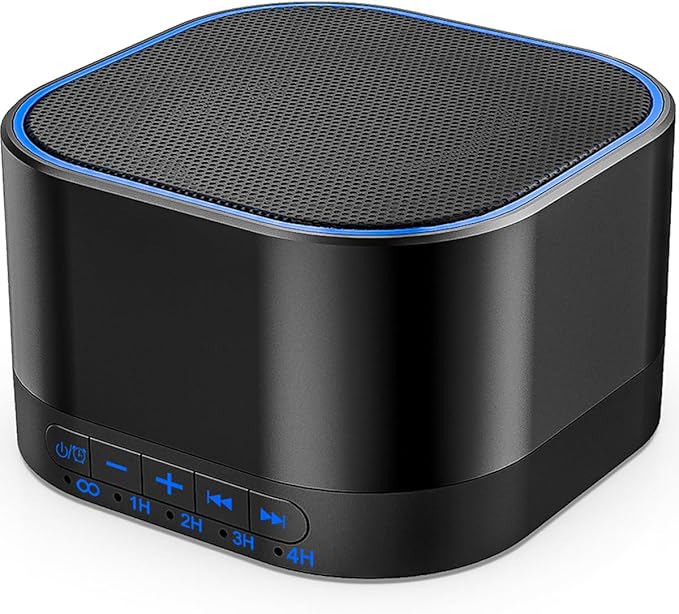
- Sound: Consistent, low-level background noise (like a fan, white noise machine, or a nature-sounds app) can mask sudden disruptive sounds. Silence can actually be too jarring for some people; find what works for you.
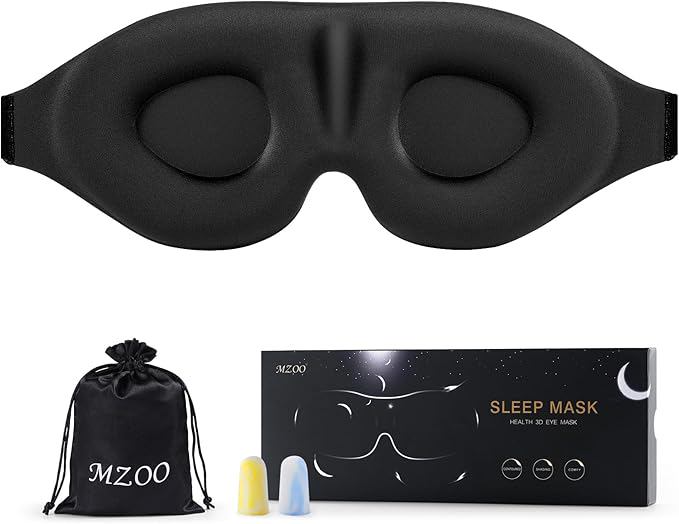
- Light: Total darkness is best. Use blackout curtains if streetlights are an issue. Cover or turn away any electronics with tiny LED lights. A sleep mask is a cheap and highly effective tool.
Keep It Consistent (Even on Weekends)
This is the part most people resist. The temptation to stay up late on Friday and sleep in on Saturday is enormous. However, doing so disrupts the rhythm you’re trying to build more than almost anything else. It is the equivalent of giving yourself jet lag every weekend. Consistency in the sleep-wake schedule is the single most powerful tool for long-term, reliable sleep. Aim for no more than a one-hour variation in your wake time on weekends.
Frequently Asked Questions
What if I have trouble falling asleep even with a good routine?
It is normal to take 15 to 20 minutes to fall asleep. If you are lying awake for longer, do not stay in bed frustrated. Get up, go to another room, and do a quiet, low-light activity (like reading or listening to calm music) until you feel drowsy. This prevents your brain from associating the bed with wakefulness and anxiety.
How long does it take for a new bedtime routine to work?
Most people start to notice a difference within three to seven nights of consistent practice. Deeper, more long-term changes in sleep quality may take two to four weeks. The key is to stick with it even if you have a bad night here or there.
Can I include light exercise like a short walk in my wind-down?
Gentle walking can be fine if it is very slow and relaxing, like a leisurely stroll around the block. However, vigorous exercise that raises your heart rate is best done earlier in the day or at least several hours before bed. The endorphins and increased body temperature from intense activity can be stimulating for many people.
What is the ideal length for a bedtime routine?
There is no single magic length, but most research and sleep specialists suggest a wind-down window of 30 to 60 minutes is effective. Shorter than 15 minutes is often not enough to calm the nervous system. Longer than 90 minutes can feel tedious or frustrating. Start with 45 minutes and adjust up or down by 15 minutes based on how you feel.