
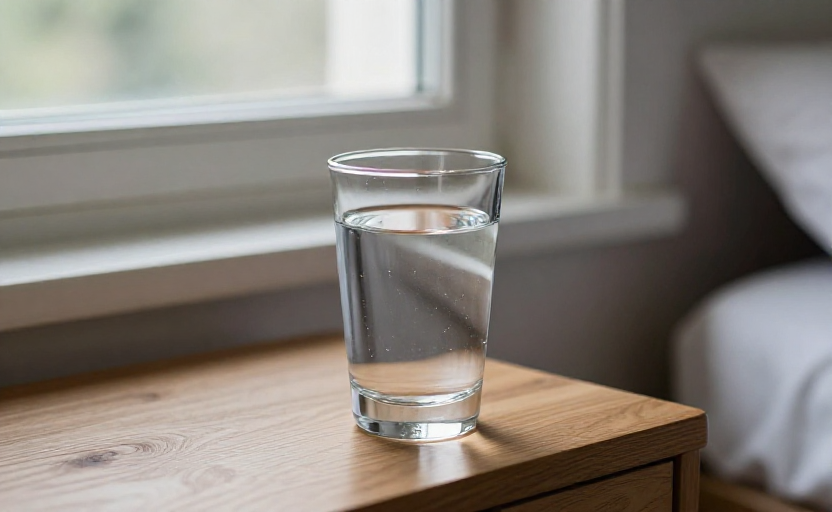
Most of us wake up feeling a little off—groggy, headachy, perhaps already anxious about the day ahead. While it’s tempting to blame a restless night or a looming deadline, there’s a simpler player at work: your hydration status. After six to eight hours without fluids, your body is running on empty. And as it turns out, that morning thirst might be quietly amplifying your stress response before you even pour your coffee.
This is not about chugging gallons of water or following some rigid morning ritual. It’s about understanding a basic physiological link: when you’re dehydrated, even mildly, your body perceives it as a stressor. That perception triggers a cascade of hormones—including cortisol—that can set a frazzled tone for the whole day. Here’s a grounded look at the science and some practical ways to reconnect with your morning drink.
What happens to your body when you wake up dehydrated?
Overnight, your body continues to lose water through breathing and sweat. By morning, many of us are already in a state of mild dehydration—not enough to feel parched, but enough to nudge your stress system. Research shows that even a 1–2% loss in body water can elevate cortisol levels, the primary stress hormone. Cortisol is essential for healthy mornings (it helps wake you up), but when it’s chronically or inappropriately high, it can fuel anxiety, brain fog, and fatigue.
Think of morning rehydration as a gentle brake on your stress response. A glass of water can help lower cortisol back toward its normal baseline, allowing your body to transition from “survival mode” to “ready for the day” more smoothly.
Beyond cortisol, dehydration reduces blood volume, making your heart work harder to pump oxygen and nutrients to your brain and muscles. That extra effort can feel like tension or restlessness—symptoms that are easy to misinterpret as purely emotional stress. In other words, what you feel as “morning anxiety” might partly be your cardiovascular system straining.
Does the temperature or type of water matter?
You might see advice about drinking warm lemon water or ice-cold water for stress relief. While these can be pleasant, the core benefit comes simply from drinking fluids, not from any special temperature or additive. Room-temperature water is often easiest to drink upon waking, but any plain beverage—including herbal tea—is effective for rehydration. The literature does not show a meaningful difference between warm and cold water for cortisol regulation; your body cares more about total volume and consistency than initial temperature.
One caveat: caffeinated drinks like coffee or black tea can be mildly dehydrating if consumed in large amounts on an empty stomach. If you love your morning coffee, you don’t need to quit—just drink a glass of water first, then enjoy your coffee as usual. That simple sequence ensures your body gets what it needs without interference.
How much water should you aim for?
There is no one-size-fits-all number, but a sensible starting point is 8–12 ounces (about 250–350 ml) within the first hour of waking. This is roughly one standard glass or a small water bottle. The goal is not to flood your system, but to gently replenish what was lost overnight. If you exercise first thing, you may need more. If you live in a dry climate or are prone to headaches, lean toward the higher end.
Your urine color is a reliable, nonclinical cue: pale yellow signals good hydration; dark yellow or amber suggests you need more fluid. Pay attention over a few days, and adjust your morning intake accordingly.
Can morning water habits truly lower stress long-term?
Think of morning hydration as one tool in a larger stress-management toolbox. It’s not a replacement for sleep, therapy, or movement, but it’s a low-cost, high-impact practice. A consistent habit of drinking water upon waking can reduce the daily cortisol spike that comes from dehydration and may help you feel more grounded before your first meeting or class.
One study of healthy adults found that those who drank less than 1.2 liters of fluid per day reported higher tension, depression, and confusion compared to those who met hydration guidelines. The authors suggested that even subclinical dehydration can negatively affect mood and cognitive performance. While this doesn’t prove a direct causal chain, it’s a strong signal that staying hydrated supports a calmer baseline.
Other factors that interact with morning hydration
It’s worth noting that hydration alone won’t overcome chronic stress from work, relationships, or health issues. However, being dehydrated amplifies the body’s stress response to any challenge. By starting your day with a simple glass of water, you are removing one physical drain on your system. You give your body a better chance of responding to life’s demands with clarity rather than reactivity.
Pairing morning water with a few deep breaths or a short walk can further lower cortisol. The combination of hydration and gentle movement signals safety to your nervous system, helping you transition out of the high-alert state that often lingers from sleep.
Practical steps to build the habit
- Keep a glass on your nightstand. Seeing it first thing is a visual cue you won’t miss.
- Drink before you reach for your phone. Make water your first interaction of the day, before notifications can trigger stress.
- Add a pinch of salt if you sweat heavily. Sodium can help with fluid retention—but only if you’re active and losing electrolytes. For most people, plain water is sufficient.
- Track it for one week. Notice if you feel less scatterbrained or irritable by midday. Your own experience is the best data.
This isn’t about perfection. Some mornings you’ll skip it, and that’s fine. The real value is in the pattern over time—training your body to expect that first drink of water as a reset button for your stress axis. Your morning routine will never be the only thing that determines your day, but it can be a quiet foundation for resilience.