
If you have noticed that your interest in sex has quietly drifted away—or that intimacy no longer feels the way it used to—you are not alone, and you are not imagining it. For many women in perimenopause and menopause, a drop in desire is one of the most confusing and frustrating changes. The physical and emotional effects are real, and they are rooted in biology. The main driver? Estrogen. When this key hormone begins to decline, it can alter everything from how easily you feel arousal to how comfortable sex actually is. Understanding the mechanisms at play can help you move from feeling broken to feeling informed—and from there, to finding strategies that genuinely help.
How does estrogen affect libido?
Estrogen is far more than a “reproductive hormone.” It influences mood, energy, blood flow, and the health of your tissues—all of which play a role in sexual desire and satisfaction. When estrogen levels are stable, it supports a healthy vaginal lining, natural lubrication, and blood flow to the pelvic area. As estrogen declines, several changes can directly impact libido.
The physical side: dryness, discomfort, and pain
One of the most immediate effects of falling estrogen is thinning and drying of the vaginal tissues—a condition called vaginal atrophy (now often referred to as genitourinary syndrome of menopause). Without adequate moisture, sex can become uncomfortable or even painful. When you anticipate pain, your brain naturally begins to avoid sex, which can quickly dampen desire. This is not a loss of libido in the strict sense; it is a protective response to physical discomfort.
The brain chemistry connection
Estrogen also influences neurotransmitters like serotonin and dopamine, which regulate mood and pleasure. Lower estrogen can mean lower dopamine sensitivity, making it harder to feel the spark of excitement or anticipation. It can also make you more vulnerable to mood swings, fatigue, and anxiety—all of which can suppress sexual interest. In short, the brain’s reward system may simply not respond as readily to sexual cues.
Think of estrogen as the conductor of an orchestra: when it falters, the whole ensemble—body, brain, and emotions—can fall out of sync.
Can hormone therapy help?
For many women, systemic hormone therapy (HT) that includes estrogen can be highly effective for restoring libido—but only when the underlying cause is related to hormone decline. Estrogen therapy can improve lubrication, reduce pain, and stabilize mood, all of which can help desire return. However, estrogen alone may not always be enough for libido. Some women find that adding a low dose of testosterone, prescribed off-label, can more directly target desire. It is essential to have a conversation with a healthcare provider who understands menopause care, as HT is not appropriate for everyone and requires a personalized assessment of benefits and risks.
Non-hormonal approaches worth trying
If hormone therapy is not right for you—or if you want to explore additional options—several non-hormonal strategies can make a meaningful difference.
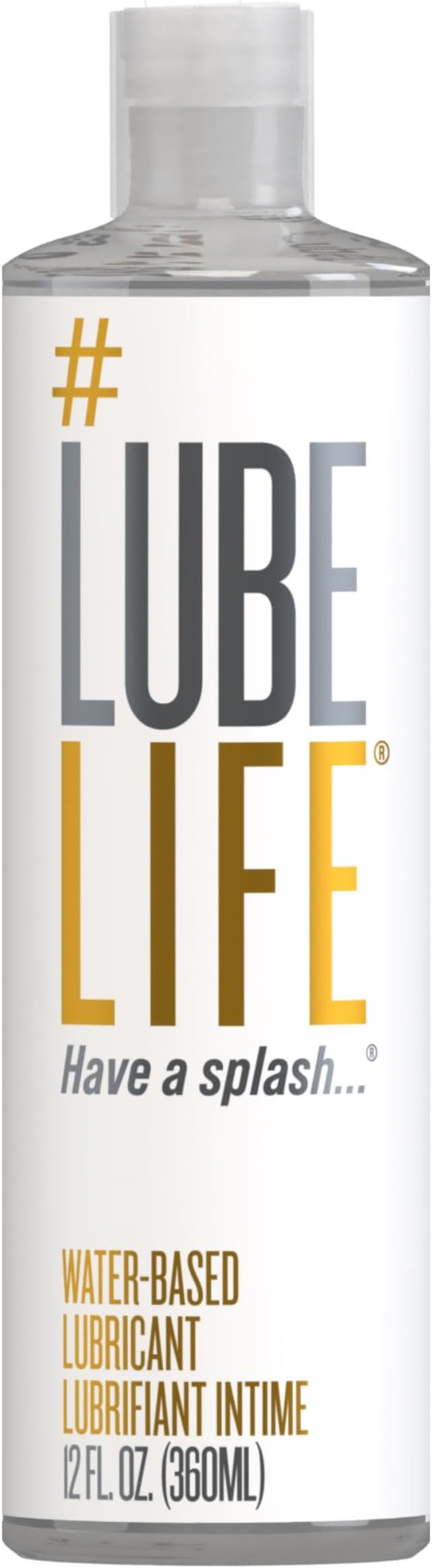
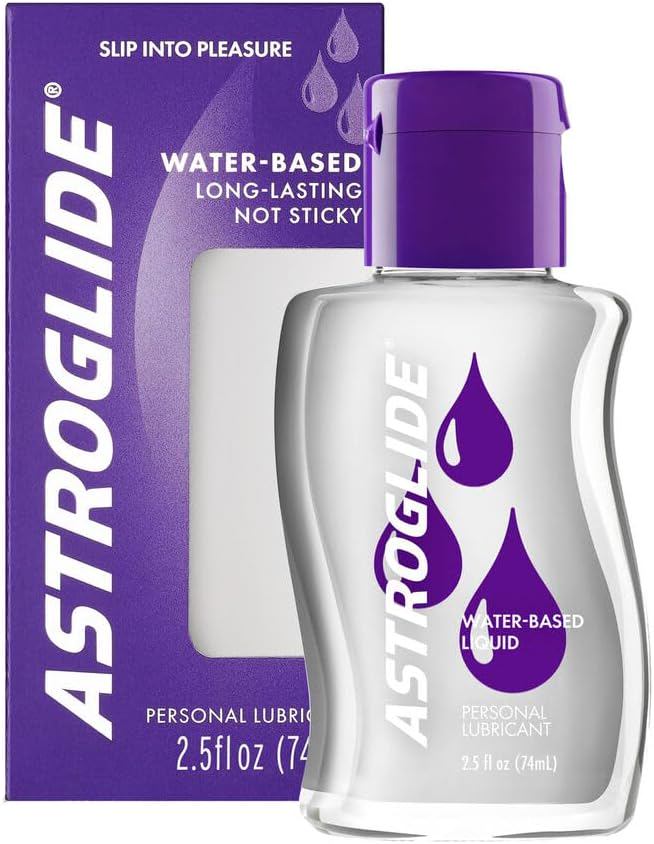
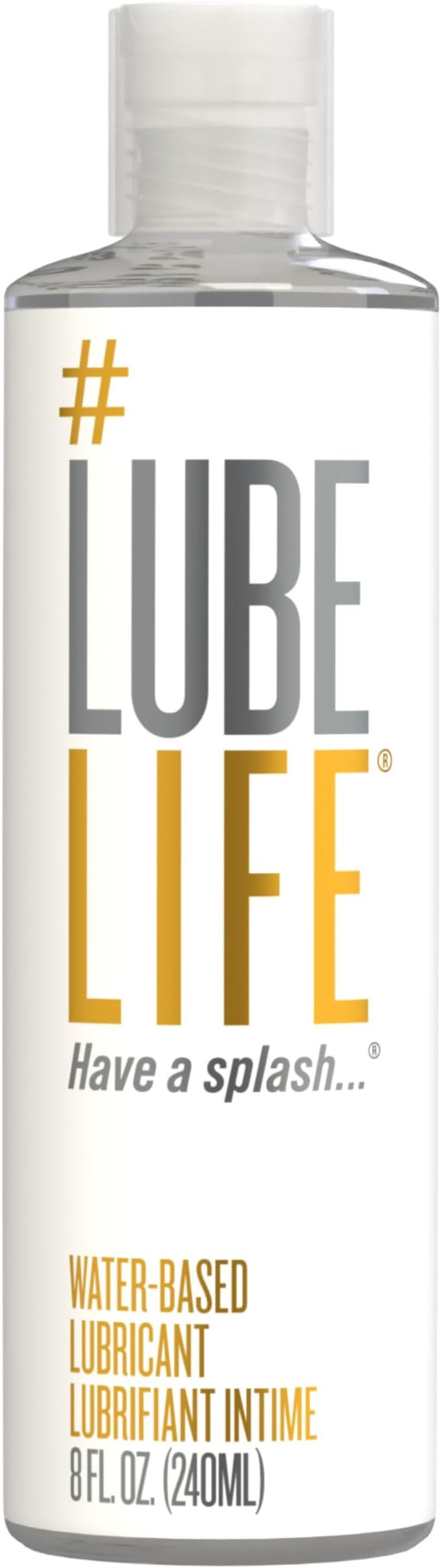
- Vaginal moisturizers and lubricants: Regular use of a water-based vaginal moisturizer can keep tissues hydrated, while a high-quality lubricant during sex reduces friction and discomfort. These do not address desire directly, but they remove a major physical barrier to wanting sex.
- Pelvic floor physical therapy: A specialized physical therapist can help address pelvic tension, muscle discomfort, and pain that may interfere with sex. Many women report a significant improvement in both comfort and desire after even a few sessions.
- Mindfulness and sensate focus: These techniques involve slowing down and paying close attention to physical sensations without the pressure of intercourse. It can help rewire the brain to associate touch with pleasure rather than performance or pain.
- Regular exercise: Moderate aerobic exercise, strength training, and yoga all support blood flow, mood, and body confidence—each of which has a subtle but real effect on libido.
- Prioritize sleep and stress management: Chronic stress and sleep deprivation can crush desire faster than almost any single hormone. Even small improvements in sleep quality and daily stress recovery can free up energy for intimacy.
What about supplements?
You may see many supplements marketed for low libido in menopause, but the evidence is often thin. Some ingredients—like maca root, ashwagandha, and DHEA—have small studies suggesting a potential benefit for some women. However, none are FDA-approved for this purpose, and quality control can vary widely. If you are considering a supplement, it is wise to run it past your healthcare provider first, especially if you take other medications or have a health condition.
Communication is part of the solution
It is impossible to overstate the role of communication. Many couples assume that desire should be spontaneous and effortless, but that expectation sets them up for disappointment. Letting your partner know what is happening physically and emotionally can relieve pressure and open the door to other forms of intimacy. This might mean scheduling sex when you feel your best, focusing on non-penetrative pleasure, or simply agreeing to take the pressure off for a season. Intimacy is not limited to intercourse, and redefining what it means can take the weight off libido as a sole measure of connection.
The most important takeaway is that a drop in libido during menopause is not a sign that something is wrong with you—it is a normal response to a major hormonal transition. With the right support, you can find a new normal that includes pleasure, connection, and comfort at any age.