
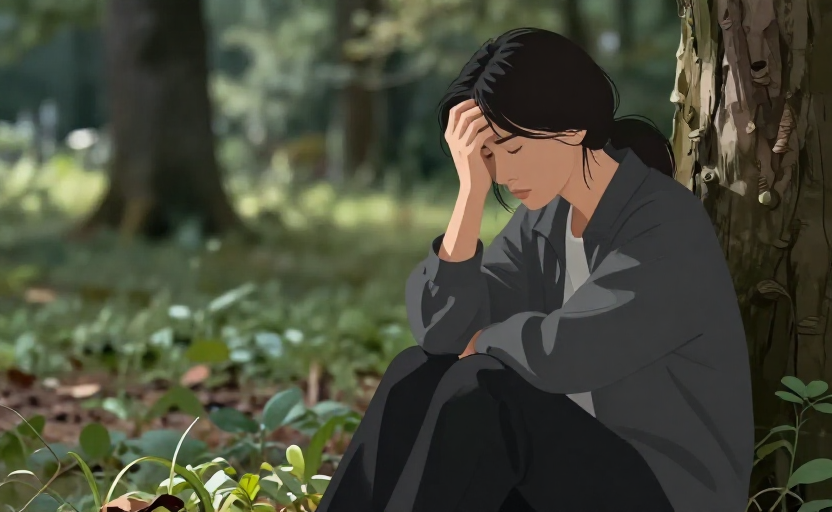
Grief is a universal human experience, yet it remains one of the most profoundly personal and misunderstood. It’s not a linear process with a clear finish line, but a complex emotional landscape we navigate after a significant loss. This journey can feel isolating, but understanding its common triggers and recognizing healthy coping mechanisms can provide a map for moving through the pain with greater self-compassion.
At its core, grief is the natural response to loss. While most often associated with the death of a loved one, its triggers are far more varied. It can follow the end of a relationship, the loss of a job, a decline in health, or even the closing of a life chapter. The feelings that arise—sadness, anger, confusion, numbness—are not signs of weakness, but signals of something deeply meaningful that has changed.
What are the common triggers of grief?
Grief doesn't only arrive after a death. It surfaces whenever we experience a loss that severs an attachment or alters our world. Recognizing these triggers helps validate the experience, reminding us that our feelings have a real and understandable source.
Tangible losses are the most recognized. The death of a family member, friend, or pet creates an irreplaceable absence. A serious health diagnosis, for oneself or a loved one, can trigger grief for the loss of wellness, future plans, or a previous way of life. The end of a significant relationship, through breakup or divorce, is a profound loss of partnership and shared dreams.
Then there are the intangible and anticipatory losses. Losing a job or career can mean grieving identity, stability, and community. Moving away from a home or community severs roots and familiar routines. Even positive changes, like a child leaving home or retiring, can involve grieving a previous role and daily purpose. Anticipatory grief is the sorrow felt in advance of an expected loss, often experienced by caregivers or those with a terminal diagnosis, mourning what is and what will be lost.
Your grief is as unique as your fingerprint. There is no "right" timeline or "correct" set of emotions to feel.
What does the grieving process actually look like?
You may have heard of the "stages of grief"—denial, anger, bargaining, depression, acceptance. While these describe common emotions, they are not a rigid sequence. Grief is far messier. You might feel acute anger one day, deep sadness the next, and moments of peace or even laughter in between. This isn't inconsistency; it's the non-linear nature of healing.
Some days, the weight is overwhelming. Other days, you might function normally, only to be ambushed by a memory triggered by a song or a scent. This ebb and flow is typical. The goal isn't to "get over" the loss, but to learn how to carry it, and eventually, to find a way to rebuild a life around it.
Healthy coping mechanisms for navigating grief
While you cannot rush grief, you can support yourself through it with practices that honor your emotions and nurture your well-being.
Acknowledge and express your feelings. Suppressing emotions often prolongs pain. Find a safe outlet: talk to a trusted friend, write in a journal, create art, or express yourself through music. The act of naming the feeling can lessen its power.
Prioritize basic self-care. Grief is physically exhausting. Be gentle with yourself. Try to maintain routines around sleep, nutrition, and gentle movement, even in small doses. A short walk or a nourishing meal is an act of kindness to your body, which is also grieving.
Seek connection. Isolation can intensify grief. Reach out to people who can simply listen without judgment. Consider a support group where you can share with others who understand the terrain of loss. Connection reminds you that you are not alone.
Create rituals. Rituals can provide structure and meaning. This could be lighting a candle, visiting a special place, writing a letter to the person you lost, or commemorating a significant date. Rituals help honor the loss and the love that remains.
When to consider seeking additional support
Grief is challenging, but there are signs that professional help could be beneficial. Consider reaching out to a therapist or counselor if:
- Your feelings of sadness, anger, or guilt are so intense and constant they feel unmanageable.
- You are unable to function in your daily responsibilities after an extended period.
- You are using alcohol, drugs, or other risky behaviors to numb the pain.
- You have persistent thoughts of hopelessness or that life isn't worth living.
Seeking help is a sign of strength, not a failure to grieve "correctly." A grief counselor or therapist can provide tools and a supportive space to process complex emotions at your own pace.
Moving with grief is about integration, not closure. The loss becomes part of your story. The sharp pain softens into a bittersweet remembrance, and you discover a capacity to hold both the sorrow of the loss and the gratitude for the love, all at once. Be patient with your own heart. Healing isn't about forgetting; it's about finding a new way forward, carrying what you've loved with you.