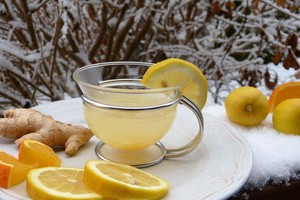

How you start your morning often sets the tone for the rest of the day, and the first thing you drink can have a real impact on your circulation. Blood flow is at its most sluggish after a night of sleep simply because your body has been horizontal and still for hours. Choosing the right morning beverage isn't about chasing a fad; it's about rehydrating your system and giving your blood vessels a gentle, supportive nudge.
The goal isn't a quick jolt. It's about steady hydration, warmth that dilates vessels, and compounds that support the flexible lining of your arteries (the endothelium). Here is a practical guide to picking a morning drink that works with your body's natural rhythm, not against it.
Start with plain water: The non-negotiable baseline
Before you think about anything fancy, water is the foundation. Your blood is roughly 90% water, and even mild dehydration makes it thicker and harder for your heart to pump. A 12-ounce glass of water first thing can rehydrate cells, increase blood volume, and improve vessel function. If plain water is dull, a squeeze of lemon or lime adds a bit of flavor and a small dose of vitamin C, which supports collagen production for strong artery walls.
Green tea: Gentle caffeine with vessel-friendly catechins
Green tea is one of the most researched drinks for cardiovascular support. It contains a group of antioxidants called catechins, specifically epigallocatechin gallate (EGCG), which studies suggest can improve the ability of blood vessels to relax and widen, a process called vasodilation. The caffeine content is modest (about 30-50 mg per cup), enough to wake you up without causing the jittery spike in blood pressure sometimes seen with coffee. If you are sensitive to caffeine, look for a decaffeinated green tea—it still retains most of the catechins.
A warm cup of green tea in the morning not only hydrates but also provides a steady release of compounds that support nitric oxide production, a key molecule for vessel flexibility.
Beetroot juice: The nitrate powerhouse
Beetroot has gained legitimate attention for circulation because it is naturally rich in dietary nitrates. In the body, these nitrates convert to nitric oxide, which signals blood vessels to relax and widen, lowering blood pressure and improving blood flow. A small glass (4 to 6 ounces) of beet juice in the morning can increase blood vessel diameter within hours. The taste is earthy and somewhat sweet, and it works well blended with a bit of apple or ginger if raw juice is too strong. Note: beet juice is deep red, so your urine may temporarily take on a pinkish tint—that is harmless and simply means the nitrates are working.
Black coffee: Not the villain, but watch the additives
Coffee has a complex relationship with circulation. In moderation (1 to 2 cups), it contains polyphenols that may improve endothelial function. However, unfiltered coffee (like French press or espresso) contains compounds called cafestol and kahweol that can raise LDL cholesterol if consumed in large quantities. If you have high cholesterol, consider using a paper filter. The real trouble with coffee as a morning circulation drink is often what goes into it: heavy cream, syrups, and sugar can spike insulin and promote inflammation, which constricts blood vessels. Drink it black or with a splash of unsweetened plant milk.
Warm water with cayenne and lemon
This is a simple, zero-calorie option that works through two mechanisms. The heat from warm water helps dilate peripheral blood vessels, and cayenne pepper contains capsaicin, which has been shown to promote blood flow by stimulating the release of nitric oxide and reducing platelet aggregation (stickiness). A pinch of cayenne (start with one-eighth of a teaspoon) stirred into warm water with lemon can provide a slight metabolic warmth and improve microcirculation, especially in the fingers and toes.
What to avoid: Drinks that work against circulation
- Very sugary juices (orange, cranberry cocktail): High sugar content causes a rapid insulin spike and can temporarily stiffen arteries, reducing endothelial function for hours after consumption.
- Energy drinks: High-dose caffeine combined with taurine, sugar, and B-vitamins can elevate heart rate and blood pressure excessively in some people, posing a risk for those with underlying circulation issues.
- Iced or cold water first thing: While not harmful, cold water can temporarily constrict blood vessels (vasoconstriction) as the body works to warm it. Warm or room-temperature liquids are generally more effective for promoting immediate dilation.
Practical tips for your morning routine
Consistency matters more than perfection. You do not need to drink all of these. Pick one that fits your taste and tolerance, and make it a habit. If you choose beet juice, dilute it if you feel lightheaded. If you choose green tea, let it steep for three to four minutes (not longer) to avoid bitterness and maximize catechin extraction. For coffee lovers, use a paper filter and skip the sugar. And regardless of your chosen drink, follow it with a full glass of plain water to ensure proper hydration.
Finally, listen to your body. If a particular drink makes you feel jittery, bloated, or uncomfortable, it is not the right choice for your unique physiology. Morning circulation drinks are a tool, not a prescription. Combine them with a balanced breakfast that includes protein and healthy fats, a few minutes of light movement, and deep breathing. That combination—hydration, nutrients, movement, and relaxation—is the real secret to waking up your vascular system.
This article is for general health education purposes only and does not constitute medical advice. Always consult a qualified healthcare professional before making significant dietary changes, especially if you have a diagnosed condition involving blood pressure, heart health, or circulation.