
Your immune system doesn't run on a single nutrient. It needs a steady stream of vitamins, minerals, and antioxidants to patrol for threats and keep inflammation in check. What you eat first thing in the morning can set the stage for that entire day's defense network—or leave it scrambling.
According to registered dietitians, the most strategic morning meals do more than just satisfy hunger. They deliver key compounds that support the gut barrier, reduce oxidative stress, and provide building blocks for immune cells. Here are six foods that dietitians specifically recommend adding to your morning routine for sustained immune support.
1. Citrus Fruits (Grapefruit, Oranges, Kiwi)
Vitamin C is arguably the most famous immune-support nutrient, and for good reason. It encourages the production of white blood cells—particularly lymphocytes and phagocytes—that help protect against infection. A single medium orange delivers roughly 70 mg of vitamin C, which is close to the daily recommended intake for most adults.
Dietitians point out that citrus fruits also contain flavonoids, plant compounds that can enhance immune function by reducing oxidative damage. Grapefruit has the added benefit of naringenin, a flavonoid that may help regulate inflammation. Eat the fruit rather than drinking juice to get the fiber, which nourishes beneficial gut bacteria. A healthy gut microbiome is now considered a pillar of robust immunity.
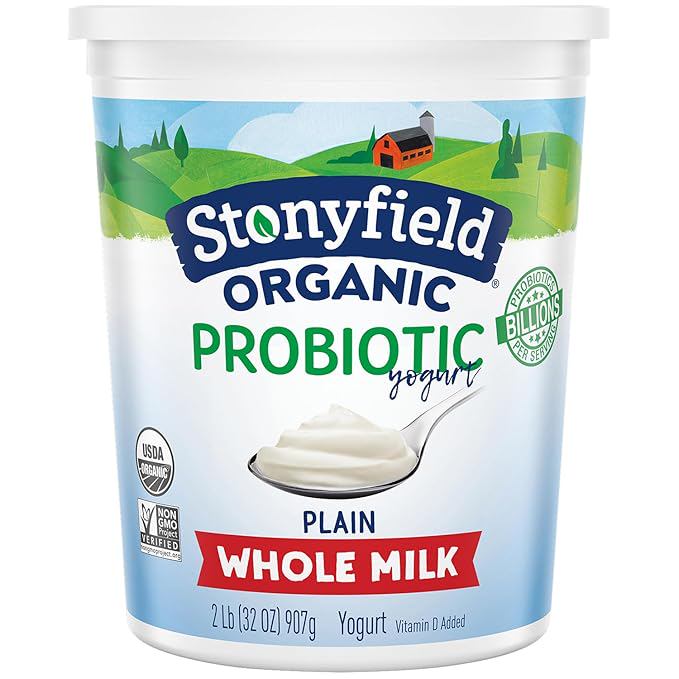
2. Plain Yogurt or Kefir
The gut-immune connection is strong: roughly 70 to 80 percent of your immune cells reside in your digestive tract. Fermented dairy like yogurt and kefir supply live probiotics—Lactobacillus and Bifidobacterium strains—that help maintain a balanced gut environment. A healthier gut lining can better keep pathogens out while allowing nutrients in.
Dietitians recommend choosing plain, unsweetened varieties and adding your own fruit or a drizzle of honey. Many flavored yogurts are packed with added sugar, which can actually suppress immune function temporarily. Greek yogurt provides extra protein, which is necessary for the production of antibodies and immune signaling molecules.
3. Cooked Oats (Not Instant Packets)
Oats contain beta-glucan, a type of soluble fiber that has been studied for its ability to activate macrophages and neutrophils—two types of immune cells that act as first responders. Beta-glucan also helps modulate the immune response, preventing it from becoming overactive.
Steel-cut or rolled oats are preferable to instant packets because they have a lower glycemic impact and retain more fiber. Top your bowl with berries and nuts for an additional antioxidant and vitamin E boost. The slow-digesting carbs also provide steady energy, which supports the body's ability to mount an immune response without the stress of blood sugar spikes.
4. Eggs (Especially the Yolk)
Eggs are one of the few natural food sources of vitamin D, a nutrient that plays a critical role in activating immune cells. Many people are deficient in vitamin D, and low levels have been linked to a higher risk of respiratory infections. One large egg provides about 6 percent of the daily value for vitamin D, and that's concentrated in the yolk.
Eggs also deliver zinc and selenium, two minerals that help immune cells function properly. Selenium, in particular, helps reduce oxidative stress in the body. Dietitians note that you don't need to fear the cholesterol in eggs for most people—the immune benefits outweigh the minimal concern when eaten as part of a balanced diet.
5. Spinach or Leafy Greens
Dark leafy greens are loaded with vitamin C, beta-carotene (which the body converts to vitamin A), and a host of antioxidants. Vitamin A is essential for maintaining the integrity of mucosal barriers—the lining of your respiratory and digestive tracts—which act as your first line of defense against invaders.
Spinach is especially easy to incorporate into morning meals. Toss a handful into a smoothie with yogurt and fruit, or lightly sauté it alongside scrambled eggs. Dietitians emphasize that cooking spinach slightly actually increases the bioavailability of certain antioxidants like lutein and zeaxanthin, though it reduces vitamin C content slightly, so a mix of raw and cooked is ideal.
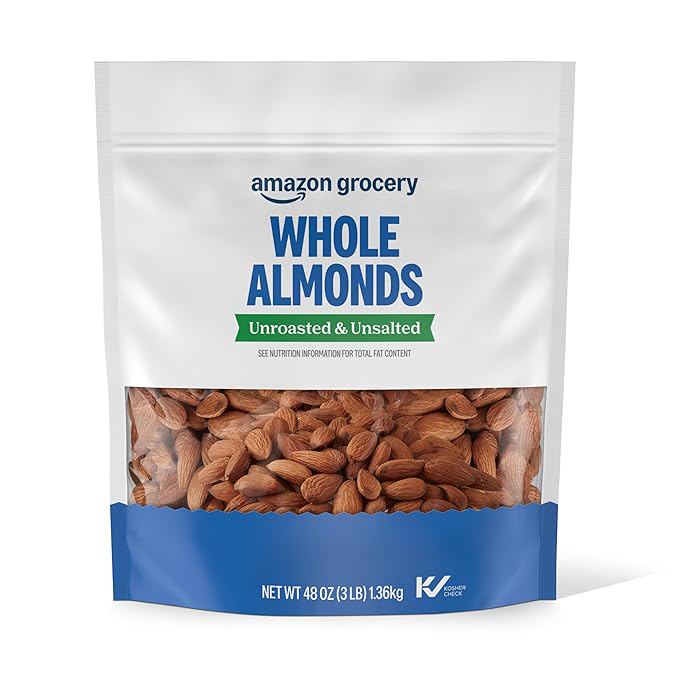
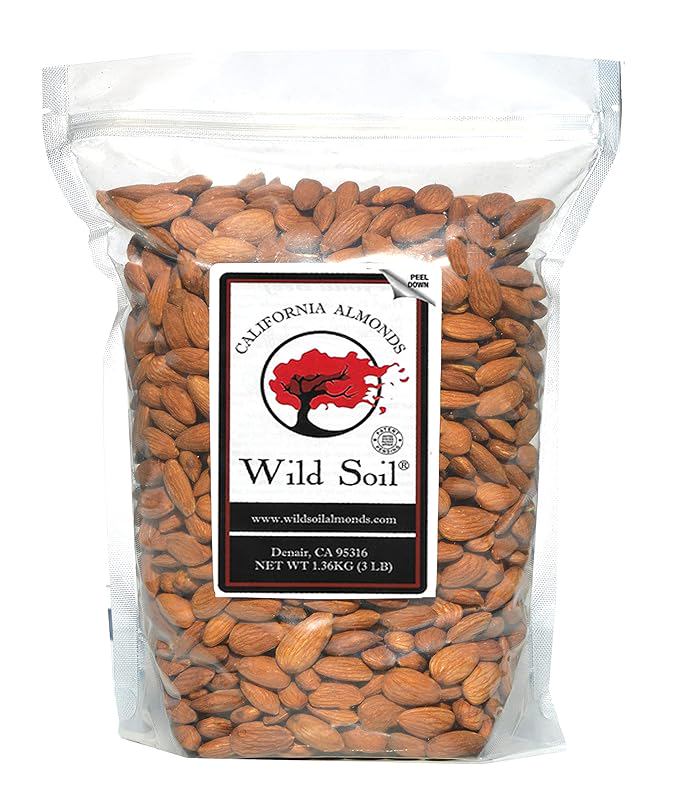
6. Raw Almonds or Walnuts
Nuts are rich in vitamin E, a fat-soluble antioxidant that protects cell membranes from damage. This is particularly important for immune cells, which have high metabolic activity and are exposed to oxidative stress as they fight pathogens. A one-ounce serving of almonds (about 23 nuts) provides roughly 7.3 mg of vitamin E, which is nearly half of the daily recommended intake.
Walnuts contain alpha-linolenic acid (ALA), a plant-based omega-3 fatty acid that helps reduce chronic inflammation. Chronic inflammation can weaken the immune system over time. A small handful of nuts on oatmeal or yogurt is a simple way to add these protective compounds without extra sugar or processed ingredients.
A quick note on timing: The immune benefits of these foods accumulate over days and weeks, not hours. Consistently including two or three of these foods in your breakfast rotation is more effective than trying to eat all six every single morning.
Building a morning meal around whole foods like citrus, yogurt, oats, eggs, greens, and nuts gives your body the raw materials it needs to maintain a strong, balanced immune response all day. While no single food can prevent illness, a strategic breakfast can tip the odds in your favor.