We often think of stress as a reaction to what’s happening right now—a looming deadline, a difficult conversation, a sudden change. But for many, the intensity of that reaction feels disproportionate, like a fire alarm blaring at the smell of toast. This often has roots in our past. Understanding how childhood trauma can reshape your body’s stress response isn’t about assigning blame; it’s about making sense of your own reactions and finding a path toward greater calm.
At its core, trauma is an experience that overwhelms our ability to cope. For a child, whose brain and nervous system are still developing, these experiences—whether acute events or chronic conditions like neglect or instability—can fundamentally alter biological systems meant to keep them safe. The stress response, a brilliant survival mechanism, can become hypersensitive, reacting to perceived threats with the same urgency as real ones, long after the original danger has passed.
How does childhood trauma change the body’s alarm system?
Think of your stress response as a sophisticated security system. In a well-calibrated system, sensors differentiate between a cat on the fence and an intruder at the door. Childhood trauma can effectively rewire this system, setting the alarm to a hair-trigger setting.
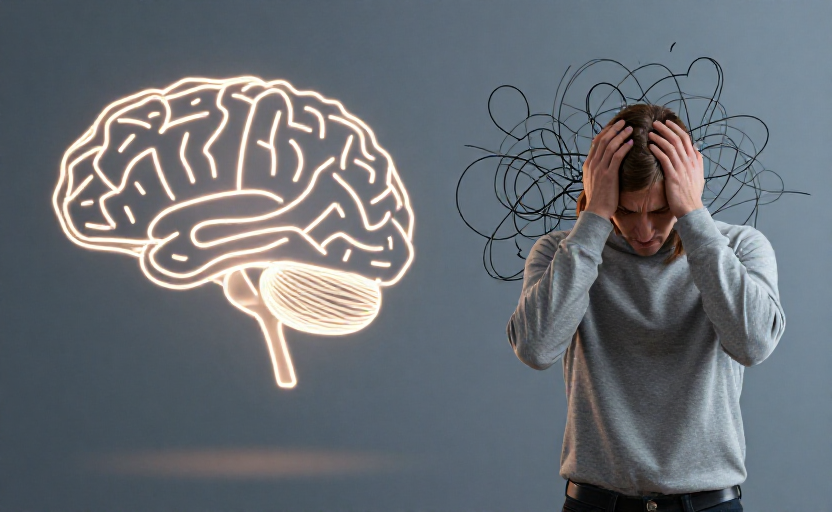
This happens through complex biological adaptations. The brain’s amygdala, the threat-detection center, can become overactive and hypervigilant, scanning for danger even in safe environments. Meanwhile, the prefrontal cortex—the rational, calming part of the brain that helps regulate emotions and assess real risk—may have developed under stress, potentially impairing its ability to soothe the amygdala’s alarms effectively.
On a hormonal level, the body’s main stress hormone, cortisol, may be released in irregular patterns. Some people experience chronically elevated levels, keeping them in a state of constant readiness. Others may have a blunted cortisol response, where the system is so worn out it struggles to mount an appropriate reaction to new stressors, leading to exhaustion and difficulty mobilizing energy.
The body keeps the score. It remembers what the mind may try to forget, holding tension and reactivity shaped by early experiences.
What does a trauma-shaped stress response feel like in daily life?
This altered biology manifests in ways that can feel confusing and frustrating. You might recognize it as:
- Hyperarousal: Feeling constantly on edge, startled easily, irritable, or having trouble sleeping. It’s a state of perpetual “fight or flight.”
- Hypoarousal or shutdown: The opposite—feeling numb, disconnected, foggy, or paralyzed in the face of stress. This is a “freeze” or “fawn” response.
- Emotional dysregulation: Emotions that feel overwhelming, switch rapidly, or seem out of sync with the current situation. A minor criticism might feel like a devastating attack.
- Difficulty with relationships: Struggling to feel safe with others, expecting abandonment or betrayal, or finding conflict intolerably threatening.
- Somatic symptoms: The stress lives in the body as chronic pain, digestive issues, headaches, or a constant sense of fatigue that rest doesn’t fix.
It’s crucial to understand these are not character flaws or overreactions. They are the legacy of a nervous system that adapted to survive a challenging environment. Your body learned that high alert was necessary for safety.
Can you recalibrate a stress response shaped by trauma?
Yes. While these patterns are deep-seated, neuroplasticity—the brain’s ability to form new neural connections throughout life—means change is possible. The goal isn’t to erase the past, but to teach your nervous system that it can exist in a state of safety more often than not. This is a gradual process of building new experiences into the body’s memory.
Foundations of safety and regulation
Healing begins with establishing a sense of safety in the present. This is often an internal skill that needs to be learned and practiced.
- Grounding techniques: These bring awareness to the present moment and your physical environment, countering dissociation or panic. Simple methods include feeling your feet on the floor, naming objects you can see, or holding a cold object.
- Mindful body awareness: Gently noticing bodily sensations without judgment can rebuild the connection between mind and body. Practices like body scans can help, starting with neutral or pleasant areas before gently approaching areas of tension.
- Regulating the breath: Slow, diaphragmatic breathing directly signals to the nervous system that it is safe to relax. Extending the exhale is particularly calming.
Working with a professional guide
For trauma-related stress, working with a mental health professional is strongly advised. They provide a safe container for this work. Modalities specifically developed for trauma include:
- Trauma-Focused Cognitive Behavioral Therapy (TF-CBT): Helps process memories and change unhelpful thought patterns.
- Eye Movement Desensitization and Reprocessing (EMDR): Uses bilateral stimulation to help the brain reprocess traumatic memories, reducing their emotional charge.
- Somatic Therapies: Approaches like Somatic Experiencing or Sensorimotor Psychotherapy focus on releasing trauma held in the body’s physiology and movement patterns.
Healing is not about never feeling stressed again. It’s about expanding your window of tolerance—the space where you can feel life’s ups and downs without becoming overwhelmed.
Building a supportive lifestyle for nervous system health
Daily habits create the soil in which nervous system regulation can grow. Consistency here is more powerful than intensity.
Prioritize rhythmic regulation. Traumatic stress is often chaotic and unpredictable. Introducing gentle, predictable rhythms can be deeply soothing. This could be a regular sleep schedule, consistent meal times, or a daily walk. The nervous system begins to trust the predictability.
Move with intention. Exercise is beneficial, but for a traumatized nervous system, aggressive or punishing workouts can mimic the stress state. Focus on movements that foster a sense of agency and pleasure—like yoga, tai chi, dancing, or swimming—where you listen to your body’s cues.
Nurture safe connections. Isolation reinforces a threat response. Seek out relationships where you feel seen, heard, and respected. This might start with a therapist, a support group, or one trusted friend. Co-regulation—soothing your nervous system through connection with a calm other—is a powerful healing tool.
Be compassionate with the process. There will be days when old patterns resurface strongly. This is not failure; it’s information. Treat yourself with the kindness you would offer a friend. The path is not linear, but each moment of awareness, each choice to seek safety, builds new neural pathways.
Understanding the link between childhood trauma and your stress response is the first step out of confusion and self-blame. It allows you to view your reactions not as personal failings, but as echoes of an old survival strategy. With this understanding, patience, and often professional support, you can begin the gentle work of teaching your body and mind that the danger has passed, and a new, more peaceful way of being is possible.