You know that feeling when your to-do list is endless, your energy is low, and you just want to crawl under the covers? That could be stress. But when that feeling becomes your constant companion—when you feel empty, cynical, and completely drained day after day—it might be something more serious: burnout. Learning to tell the difference between the two is one of the most important things you can do for your mental health.
Everyday stress is like a short, heavy rainstorm. It comes, it dumps a lot of water, and then it passes. Burnout, on the other hand, is more like a drought. It builds slowly, quietly, and by the time you notice the cracks, the ground is already dry. Recognizing which one you’re dealing with is the first step toward doing something about it.
What does everyday stress feel like?
Stress is a natural response to pressure. It can come from work, family, finances, or any number of life events. When you’re stressed, you might feel anxious, irritable, or overwhelmed. Your heart might race, your shoulders might tense up, and you might have trouble sleeping. The key feature of everyday stress is that it’s situational. Once the deadline passes, the argument is resolved, or the bill is paid, the feeling usually fades.
People under stress often still have a sense of urgency and motivation. They might work harder or faster to get through a challenging period. The emotions are intense but temporary. If you’ve ever had a stressful week at work and then felt relief on Friday night, you’ve experienced this. It’s uncomfortable, but it’s not a complete loss of self.
How burnout warning signs differ
Burnout is what happens when that stress never really goes away. It’s the result of prolonged, unmanaged pressure that wears down your emotional and physical reserves. The warning signs are different, and they often sneak up on you.
Emotional exhaustion feels hollow, not just tired
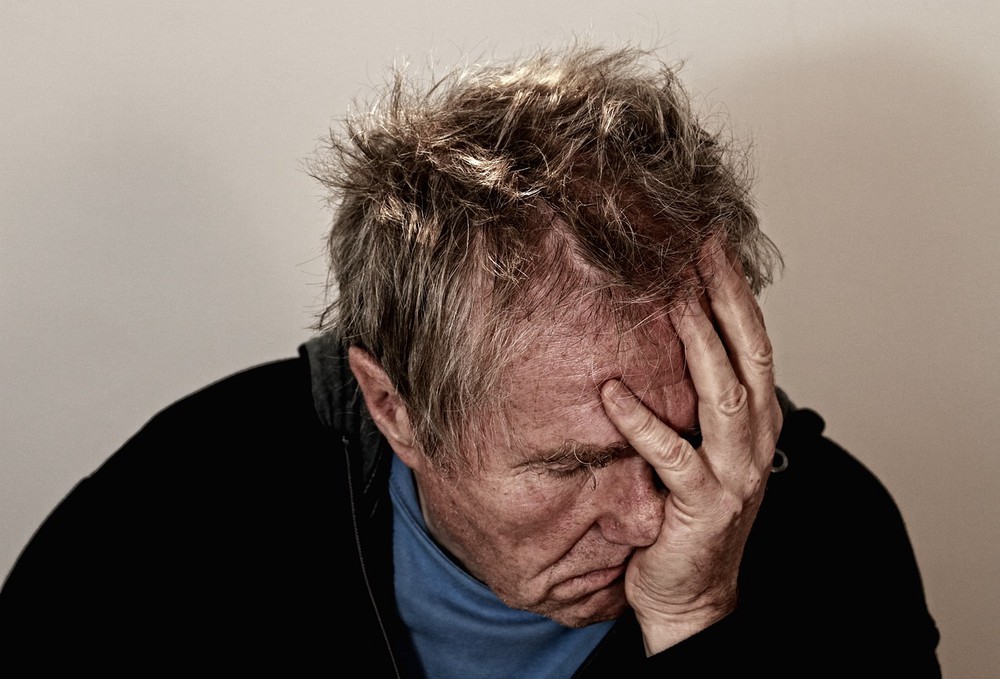
When you’re stressed, you’re tired because you’ve been busy. When you’re burned out, you’re exhausted from the inside out. It’s a bone-deep fatigue that rest and sleep don’t fix. You might wake up feeling just as tired as when you went to bed. This isn’t just physical—it’s emotional. You feel empty, like you have nothing left to give.
Cynicism and detachment replace irritability
Stress often makes people snappy or short-tempered. Burnout tends to create a sense of detachment and cynicism. You might start to feel indifferent about your job, your relationships, or activities you once enjoyed. Things that used to matter now feel pointless. This is a major red flag: when you stop caring about things that were once important to you. You might even avoid friends or responsibilities because you feel numb rather than angry.
Reduced performance and lack of accomplishment
Under stress, you can still get things done, even if it’s difficult. Burnout makes it nearly impossible. You might feel like you’re just going through the motions, or that nothing you do is good enough. Your concentration suffers, you forget things, and you struggle to make even simple decisions. The sense of personal accomplishment dries up, leaving you feeling ineffective and useless.
Physical signs that suggest burnout
Both stress and burnout can cause headaches, stomach issues, and changes in appetite or sleep. But with burnout, these physical symptoms are often more persistent and harder to shake off. You might experience frequent illnesses because your immune system is compromised. Headaches and muscle pain become a chronic part of your life. Your sleep patterns may change dramatically—some people can’t fall asleep, while others sleep too much and still feel exhausted.
A simple way to check in with yourself: Ask, “Do I feel like I’m running on empty?” If the answer is yes, and you’ve felt that way for weeks or months, you may be experiencing burnout, not just a stressful day.
Why understanding the difference matters
Mistaking burnout for everyday stress means you might try the wrong solutions. If you’re stressed, a weekend off or a relaxing evening can help. Those things probably won’t fix burnout. Burnout requires deeper changes—adjusting your workload, setting firmer boundaries, and sometimes stepping back from the situation entirely. Without recognizing the signs, you risk pushing yourself further into emotional exhaustion and depression.
What to do if you recognize these signs in yourself
If the warning signs—persistent exhaustion, cynicism, reduced performance—sound familiar, the most important step is to pause and acknowledge it. You are not weak or failing. Burnout is a signal that something in your life is out of balance. Consider talking to a trusted friend, a supervisor at work, or a mental health professional. Look for small ways to restore boundaries: say no to extra commitments, take actual breaks during your day, and prioritize sleep and nutrition. Recovery from burnout takes time, but recognizing the difference between it and ordinary stress is where every positive change begins.
Remember, stress is a signal that you’re working hard. Burnout is a signal that you need to stop. Learning to tell them apart can protect your health, your relationships, and your sense of self.