When we think about sexual health, our minds often jump to safe practices, communication, and regular check-ups. Rarely does the conversation start in the kitchen. Yet, the food we eat daily forms the foundation of our energy, circulation, hormone balance, and even our mood—all of which are intimately connected to a vibrant, healthy sex life. As a dietitian, I see nutrition not as a magic bullet, but as a powerful, practical form of self-care that supports your body’s innate capacity for pleasure and connection.
This guide moves beyond the hype of so-called "aphrodisiac" foods to focus on sustainable, evidence-based eating patterns that nourish the systems essential for sexual well-being. It’s about building a plate that supports you, not searching for a single miracle ingredient.
How Does Food Actually Influence Sexual Health?
Sexual function is a complex interplay of vascular health, nerve signaling, hormonal balance, and psychological state. What we eat influences each of these areas. For instance, a diet that supports healthy blood flow ensures adequate circulation to sexual organs, which is crucial for arousal and response. Nutrients that combat oxidative stress help protect blood vessels and nerve cells. Furthermore, balanced blood sugar and stable energy levels from consistent meals can prevent fatigue and support a more spontaneous, enjoyable intimate life.
Think of your diet as the long-term infrastructure for sexual health, not a last-minute tune-up.
The goal isn’t a restrictive "sex diet" but an inclusive, pleasurable approach to eating that makes your body feel its best. When you feel energized, comfortable, and confident in your body, that positivity naturally extends to other areas of life, including intimacy.
Building Your Plate for Vitality
Instead of fixating on individual "good" or "bad" foods, let’s look at the components of a meal pattern that sets the stage for wellness.
Prioritize Blood Flow Supporters
Healthy circulation is non-negotiable. Focus on foods rich in compounds that help your blood vessels relax and function optimally.
- Nitrate-rich vegetables: Leafy greens like spinach, arugula, and beetroot. The body converts nitrates to nitric oxide, a molecule that helps dilate blood vessels.
- Antioxidant-packed fruits: Berries, pomegranates, and citrus. Their antioxidants, like flavonoids, protect the lining of blood vessels.
- Omega-3 fatty acids: Found in fatty fish (salmon, mackerel, sardines), walnuts, and flaxseeds. These fats have anti-inflammatory effects and support vascular health.
Balance Your Hormones with Healthy Fats and Fiber
Hormones like testosterone and estrogen are synthesized from cholesterol and require specific nutrients for optimal balance. Drastic low-fat diets can sometimes backfire here.
- Incorporate healthy fats: Avocados, olive oil, nuts, and seeds provide the building blocks for hormone production and help absorb fat-soluble vitamins.
- Don’t fear fiber: A high-fiber diet from vegetables, fruits, legumes, and whole grains helps the body regulate estrogen levels and manage insulin, a hormone that, when chronically elevated, can disrupt sexual function.
Mind Your Minerals: Zinc and Magnesium
Two minerals play standout roles. Zinc is crucial for testosterone synthesis and immune function, while magnesium aids muscle relaxation and nerve function.
Zinc is abundant in foods like pumpkin seeds, lentils, chickpeas, and shellfish. Magnesium is found in dark leafy greens, almonds, black beans, and whole grains. A varied diet typically covers these bases.
Practical Meal Planning Strategies
Knowing what to eat is one thing; fitting it into a busy life is another. Here’s how to make it work.
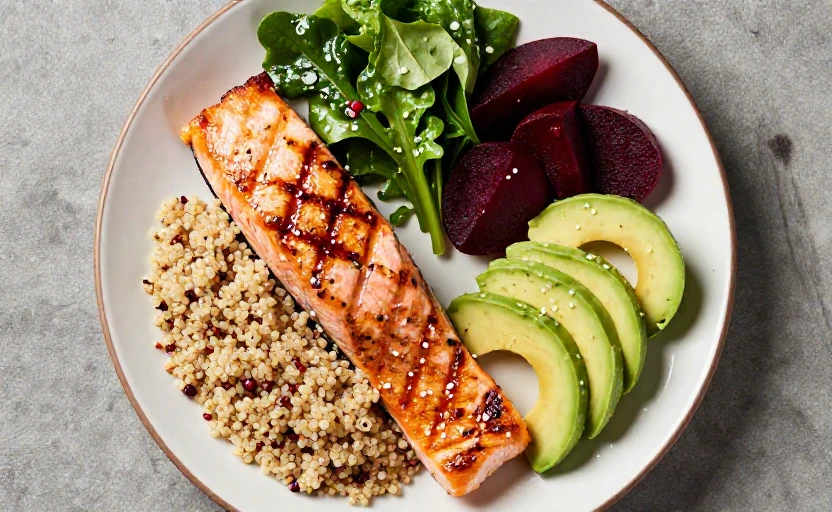
Start with a Balanced Template: Aim to build most meals with a combination of: a high-quality protein (fish, poultry, tofu, legumes), a generous portion of colorful vegetables, a complex carbohydrate (quinoa, sweet potato, brown rice), and a source of healthy fat (a drizzle of olive oil, a handful of nuts). This combo stabilizes energy and provides a broad spectrum of nutrients.
Prep for Success, Not Perfection: You don’t need to cook seven different meals. Batch-cook a versatile protein, a whole grain, and roast a large tray of mixed vegetables. These components can be mixed and matched throughout the week into bowls, salads, and wraps, saving decision-making energy when you’re tired.
Snack with Intention: Keep snacks that combine protein and fiber to avoid energy crashes. Think apple slices with almond butter, Greek yogurt with berries, or a small handful of trail mix.
Hydration is Key: Dehydration can lead to fatigue and headaches—two major libido dampeners. Keep a water bottle handy and include water-rich foods like cucumbers, melons, and soups.
Foods and Habits to Be Mindful Of
It’s not about elimination, but awareness. Certain patterns, when consistent, can subtly undermine sexual health.
- Excessive Alcohol: While a glass of wine may lower inhibitions, heavier consumption can impair arousal and performance for all genders by depressing the central nervous system and disrupting hormone levels.
- Highly Processed Foods: Diets high in added sugars, refined grains, and unhealthy fats can promote inflammation, harm blood vessel function, and lead to energy fluctuations.
- Chronic Undereating or Over-restriction: Severely limiting calories or cutting out entire food groups can signal to the body that it’s in a state of stress or scarcity, potentially downregulating reproductive and sexual function as a conservation mechanism.
If a way of eating leaves you feeling deprived or fatigued, it’s likely not supporting your sexual health, regardless of how "healthy" it looks on paper.
Bringing It All to the Table
The most important ingredient in any meal plan for sexual health is pleasure—both in eating and in life. Stress is one of the most common libido killers. Sharing a lovingly prepared meal, savoring flavors you enjoy, and eating without guilt are all acts of nourishment that reduce stress and foster a positive relationship with your body.
View this guide as a set of principles, not a rigid prescription. Begin by adding one more vegetable to your dinner, or swapping a sugary snack for a more balanced one. Lasting change is built through small, consistent steps that make your body feel truly nourished from the inside out.