
Those first few months of pregnancy are a whirlwind. Between the excitement, the fatigue, and often, the nausea, thinking about a perfectly balanced meal can feel like a monumental task. Your body is doing incredible, foundational work, and the food you eat is the primary fuel for that process. This guide isn’t about rigid rules or perfect plates; it’s about building a practical, gentle framework for nourishment when you need it most.
Think of your first trimester meal plan as a toolkit, not a test. The goal is to support your energy, manage common symptoms, and lay a nutritional foundation for your baby’s rapid development, all while listening closely to what your body can tolerate day by day.
What’s Different About First Trimester Nutrition?
While your calorie needs don’t increase significantly until later, the quality of those calories becomes paramount. Key nutrients like folate, iron, and choline are critical in these early weeks for neural tube development and cell growth. Simultaneously, hormonal shifts can dramatically alter your appetite, taste preferences, and digestive comfort. A successful plan acknowledges both the science and the very real human experience of morning sickness and food aversions.
The first trimester is about strategic nourishment, not eating for two.
Core Nutrients to Focus On (And Where to Find Them)
Instead of fixating on specific foods you “should” eat, focus on securing these essential nutrients from a variety of sources. If one food becomes unappealing, you have a backup.
Folate (Folic Acid): Crucial for preventing neural tube defects. It’s most effective when consumed consistently before and during early pregnancy.
- Food sources: Lentils, black beans, spinach, asparagus, avocado, fortified whole-grain cereals and breads.
- Note: A prenatal vitamin with at least 400–800 mcg of folic acid is non-negotiable, as it guarantees this base intake.
Iron: Supports the massive increase in your blood volume. Iron from plant sources is absorbed best with vitamin C.
- Food sources: Lean beef, chicken, lentils, tofu, spinach, and pumpkin seeds. Pair your spinach salad with strawberries or lentils with bell peppers.
Choline: Vital for brain development. Many prenatal vitamins contain minimal choline, so food sources are key.
- Food sources: Eggs (the yolk is especially rich), lean beef, chicken, fish, soybeans, and quinoa.
Protein: The building block for new tissue. Consistent intake helps stabilize blood sugar, which can combat nausea.
- Food sources: Greek yogurt, cottage cheese, eggs, chicken, fish, lentils, and nuts.
Fiber & Fluids: Progesterone slows digestion, often leading to constipation. A focus on fiber and water is a proactive measure for comfort.
- Food sources: Oatmeal, pears, berries, chia seeds, vegetables, and plenty of water throughout the day.
Building Your Practical Meal Framework
Forget three large meals. A more manageable approach is often smaller, more frequent eating occasions. This keeps your energy steady and your stomach from being too empty or too full—both of which can trigger nausea.
When Everything Sounds Unappealing
This is incredibly common. When aversions hit, practice “nutrient swapping.” If chicken suddenly seems revolting, try getting protein from eggs, yogurt, or a smoothie with nut butter. If vegetables are a hard no, focus on fruits you can tolerate. Bland, easy-to-digest carbs like toast, crackers, rice, or bananas are perfectly acceptable staples during rough patches. Getting calories in is the priority.
Sample Daily Pattern (Not a Prescription)
- Upon waking (if nauseous): A few plain crackers or a handful of dry cereal by your bedside.
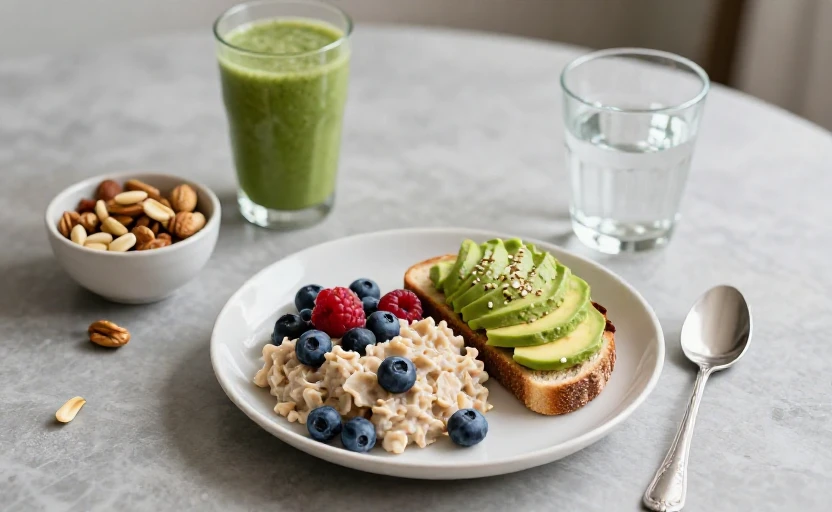
- Breakfast: Oatmeal made with milk (for extra protein and calcium) topped with a tablespoon of ground flaxseed and berries.
- Mid-morning: A smoothie with Greek yogurt, spinach (you often can’t taste it), frozen mango, and a splash of orange juice.
- Lunch: A “deconstructed” meal: whole-grain pita, hummus, cucumber slices, and a hard-boiled egg. Eat them separately if that’s more appealing.
- Afternoon: An apple with a small handful of almonds.
- Dinner: Baked salmon (for omega-3s and choline), quinoa, and roasted carrots with olive oil.
- Evening: A small bowl of cottage cheese or a magnesium-rich square of dark chocolate if desired.
Handling Nausea and Food Sensitivities
Morning sickness doesn’t watch the clock. These strategies can help you navigate it:
- Never get too hungry: An empty stomach often makes nausea worse. Keep simple snacks on hand at all times.
- Embrace cold foods: Sometimes cold or room-temperature foods (smoothies, yogurt, sandwiches) have less aroma, which can be a trigger.
- Sip strategically: Drink fluids between meals rather than with them to avoid feeling overly full. Ginger tea, cold water with lemon, or electrolyte-infused water can be soothing.
- Listen to your body: If only pretzels and lemonade sound good for a day or two, that’s okay. Do your best, and return to a wider variety when you’re able.
Foods to Be Mindful Of
Safety is part of nourishment. The general guidelines are to avoid undercooked meats, unpasteurized dairy and juices, raw sprouts, and high-mercury fish. Limit caffeine to less than 200 mg per day (about one 12-ounce cup of coffee). Always wash fruits and vegetables thoroughly. When in doubt about a specific food, a quick check with your healthcare provider offers peace of mind.
Putting It All Together with Compassion
Your first trimester meal plan is a living document. Some days you’ll eat a beautifully varied plate; other days, toast will be the hero. Both are fine. The aim is progress, not perfection—to consistently deliver key nutrients to your growing baby while being exceptionally kind to yourself. Stock your pantry with gentle, nutrient-dense options, take your prenatal vitamin, drink your water, and trust that you are doing enough.