
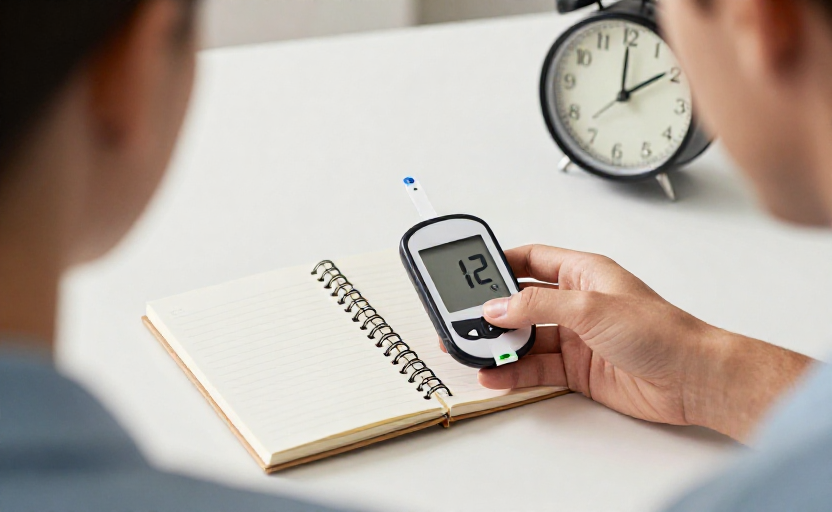
Carb counting is often seen as a tool for managing diabetes after diagnosis, but its real power lies in prevention. By learning to read the signals your body sends after eating carbohydrates, you can catch metabolic imbalances early—sometimes years before a formal diagnosis. Here are eight expert-backed strategies to help you listen to what your body is telling you.
1. Watch the 2-Hour Clock
The most revealing window for carb-related imbalance is the two-hour mark after a meal. A sudden drop in energy, brain fog, or intense hunger within this timeframe often indicates reactive hypoglycemia—a sign your body overproduced insulin in response to a carb-heavy meal. If you consistently feel shaky or drowsy two hours after eating, that pattern is worth noting.
What to do: Try pairing your carbs with protein or fat to slow absorption. If symptoms persist despite adjusting your meals, it's a strong signal to discuss glucose monitoring with your healthcare provider.
2. Track Your "Reward" Cravings
Not all carb cravings are equal. A craving for a specific sweet treat like chocolate or cake is different from a general, nonspecific hunger. If you notice that within 30–60 minutes of eating a balanced meal you still feel a pull toward something sweet, your body may be signaling that your cells didn't get the energy they needed. This can happen when insulin resistance is developing—your cells stop responding to insulin properly, so your brain keeps asking for more fuel.
A craving for sweets immediately after a meal is rarely about willpower. More often, it's a metabolic whisper worth heeding.
3. Assess Your Morning Fingerstick
Fasting blood sugar is one of the earliest windows into how your body handles carbs overnight. If your morning readings are creeping above 100 mg/dL (or 5.6 mmol/L), that may indicate dawn phenomenon or early insulin resistance. But the number alone isn't the whole story—also pay attention to how you feel. Do you wake up with a dry mouth, headache, or extreme thirst? Those are classic signs that your blood sugar ran high while you slept, even if your morning fingerstick looks "borderline."
4. The 15-Minute Walk Rule
One of the simplest carb-counting diagnostics requires no equipment at all. After a carb-containing meal, take a brisk 15-minute walk. If you feel lightheaded, unusually fatigued, or shaky during or after the walk, it can signal that your blood sugar dropped sharply—a possible sign your body released too much insulin. Conversely, if you feel fine and more clear-headed after moving, it suggests your muscles were able to use the glucose effectively.
Why it matters: Post-meal exercise is the body's natural insulin sensitizer, and how you react to it reveals a lot about your current metabolic flexibility.
5. Use the "Grapefruit Test"
Different carbs hit the bloodstream at different speeds. To spot early imbalance, try a simple experiment: eat a medium grapefruit (about 15 grams of carbs) on an empty stomach and note how you feel 30, 60, and 90 minutes later. A grapefruit's natural sugar is paired with fiber and acid, which slow digestion—so if you feel a blood sugar spike or crash from this low-glycemic fruit, that's a strong early warning sign. If you tolerate it well, try the same test with a small banana (about 24 grams of carbs) and compare your reactions.
This isn't about avoiding fruit. It's about identifying which carbohydrate loads your system can handle before problems become chronic.
6. Look Beyond the Scale
Carb imbalances rarely announce themselves with weight gain alone. Pay attention to circumference changes—especially around your waist—as visceral fat is closely linked to insulin resistance. If your waist measurement has increased by even 2–3 inches over a year, regardless of scale weight, that's a metabolic red flag. Also monitor for skin changes: darkened patches (acanthosis nigricans) on the neck, elbows, or knuckles are strongly associated with high insulin levels and carbohydrate intolerance.
7. Log the "After-Dinner Dip"
Many people experience a familiar slump between 2 p.m. and 4 p.m., but the pattern after dinner is even more telling. If within two hours of eating dinner you feel so sluggish you can't stay awake, or if you wake up in the middle of the night with a pounding heart or drenched in sweat, these can be signs of nocturnal hypoglycemia—your body correcting an earlier glucose spike by releasing too much insulin. Logging your evening carb intake alongside how you sleep can reveal patterns your doctor would want to investigate.
8. Retest Each Season
Carb tolerance isn't static—it changes with stress levels, activity, sleep quality, and seasonal illnesses. Commit to a simple check every three months: pick one day to record your carb intake and your symptoms (energy, mood, cravings, digestion) at set intervals. Compare notes across seasons. A pattern that emerges only in winter may suggest low vitamin D or seasonal activity changes are impacting your insulin sensitivity. A pattern that worsens progressively regardless of season is a clearer signal that deeper metabolic changes are underway.
These tips are designed to help you become a more attentive observer of your own body's carbohydrate response. They are not diagnostic tools—if you notice persistent or worsening patterns, blood work such as fasting glucose, HbA1c, and an oral glucose tolerance test can provide the clinical clarity you need. The earlier you detect a carb imbalance, the more opportunity you have to address it through lifestyle changes before it progresses.



![Freshware Meal Prep Containers [50 Pack] 1 Compartment Food Storage Containers with Lids, Bento Box, BPA Free, Stackable, Microwave/Dishwasher/Freezer Safe (16 oz)](https://www.glowtheorylab.com/uploads/ad202604/65411b035c0a4f69.webp)
![[8-Pack,30 oz]Glass Meal Prep Containers,Glass Food Storage Containers,Airtight lunch Containers with Lids, Microwave, Oven, Freezer and Dishwasher](https://www.glowtheorylab.com/uploads/ad202604/51081d9654d4075b.webp)