
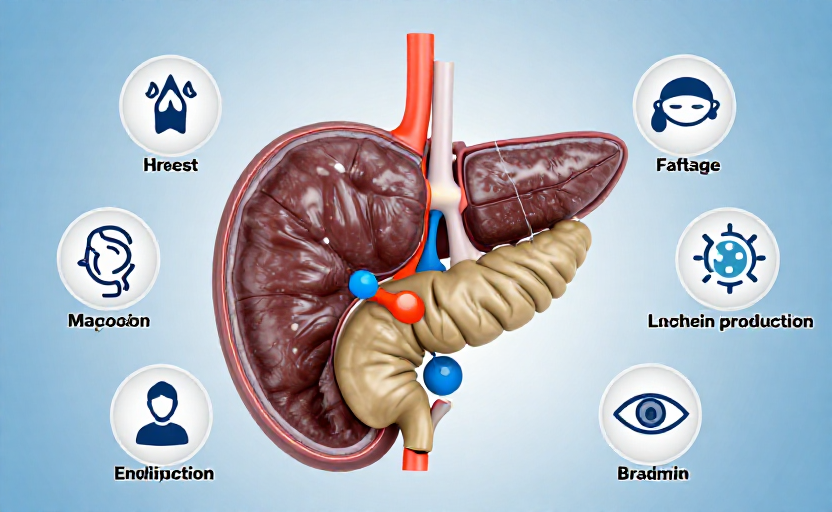
Your pancreas works quietly in the background, producing enzymes for digestion and hormones like insulin that regulate blood sugar. When insulin production starts to slip, the body sends out signals — sometimes subtle, sometimes hard to ignore. Recognizing these warning signs early can make a real difference in how you manage your health going forward.
Insulin acts like a key, unlocking your cells so they can take in glucose from your bloodstream for energy. When your pancreas doesn't make enough insulin, glucose stays in the blood rather than entering cells. This is the core issue in type 1 diabetes and can also occur in advanced type 2 diabetes. Here are seven signs that your body might be running low on this critical hormone.
1. You're Thirsty All the Time and Using the Bathroom Frequently
When blood sugar climbs because there isn't enough insulin to move it into cells, your kidneys work overtime to filter and flush out the excess glucose. That extra work pulls water from your tissues and sends it to your bladder. The result is a cycle: you feel constantly thirsty, you drink more, and you urinate more — especially at night.
This is often one of the earliest and most noticeable signs. If you find yourself refilling your water glass more than usual and making extra trips to the bathroom, it's worth paying attention to what your body is telling you.
2. Unexplained Weight Loss
It might sound like a good thing, but losing weight without trying is a serious signal. Without enough insulin, your cells can't access glucose for fuel. So your body starts breaking down fat and muscle tissue for energy instead. This leads to weight loss that happens even if your appetite and eating habits have stayed the same — or even increased.
A quick check: If you've lost more than 5% of your body weight in 6 to 12 months without changes to your diet or exercise routine, it's wise to mention this to a healthcare provider.
3. Persistent Fatigue and Weakness
When your cells are starved of glucose — their primary energy source — you're going to feel it. This isn't just feeling tired after a busy day; it's a deep, ongoing exhaustion that doesn't get better with rest. Simple tasks may leave you feeling drained, and you might find it hard to concentrate or stay focused. The fatigue is your body telling you that despite having plenty of fuel (sugar) in your bloodstream, it can't deliver that fuel where it's needed most.
4. Blurred Vision
High blood sugar can cause fluid to be pulled from the lenses of your eyes. This changes the shape of the lens slightly, affecting your ability to focus clearly. The blurriness may come and go, depending on your blood sugar levels at any given time. This is different from chronic vision problems, and it often resolves once blood sugar is brought under control. However, persistent blurriness should never be ignored, as prolonged high blood sugar can damage the small blood vessels in the eyes over time.
5. Slow-Healing Sores or Frequent Infections
Too much sugar in your bloodstream can impair your body's natural healing process and weaken your immune system. You might notice that cuts, scrapes, or bruises take longer to heal than they used to. Skin infections, gum infections, or urinary tract infections may also become more frequent or more stubborn. High glucose levels provide a feeding ground for bacteria and yeast, making infections harder for your body to fight off.
6. Tingling or Numbness in Hands or Feet
This symptom often develops more gradually. Chronically high blood sugar, resulting from low insulin, can damage the tiny nerves and blood vessels in your extremities. This leads to a sensation of tingling, pins and needles, burning, or numbness — most commonly in the feet and hands. Doctors call this peripheral neuropathy. It's a sign that blood sugar has been elevated for some time, and it underscores the importance of catching insulin deficiency early.
7. Extreme Hunger, Even After Eating
Your cells are screaming for energy. Even if you've just eaten a full meal, without insulin to let glucose into your cells, your brain receives a signal that you're still hungry. This can lead to cravings, especially for carbohydrates and sweets, which only adds more glucose to a bloodstream that can't process it properly. It's a frustrating cycle: eating more to feel full, but never feeling satisfied because the energy isn't reaching the cells that need it.
What to Do If You Notice These Signs
No single symptom on its own is a definitive diagnosis. But experiencing a combination of them — especially increased thirst and urination along with unexplained fatigue or weight loss — is a strong reason to see a doctor. A simple blood test, such as a fasting glucose test or an A1C test, can give you and your doctor a clear picture of what your pancreas is doing.
The goal isn't to diagnose yourself but to recognize when your body is asking for help. Early detection of insulin deficiency allows for timely management, which can prevent complications and help you maintain a good quality of life.