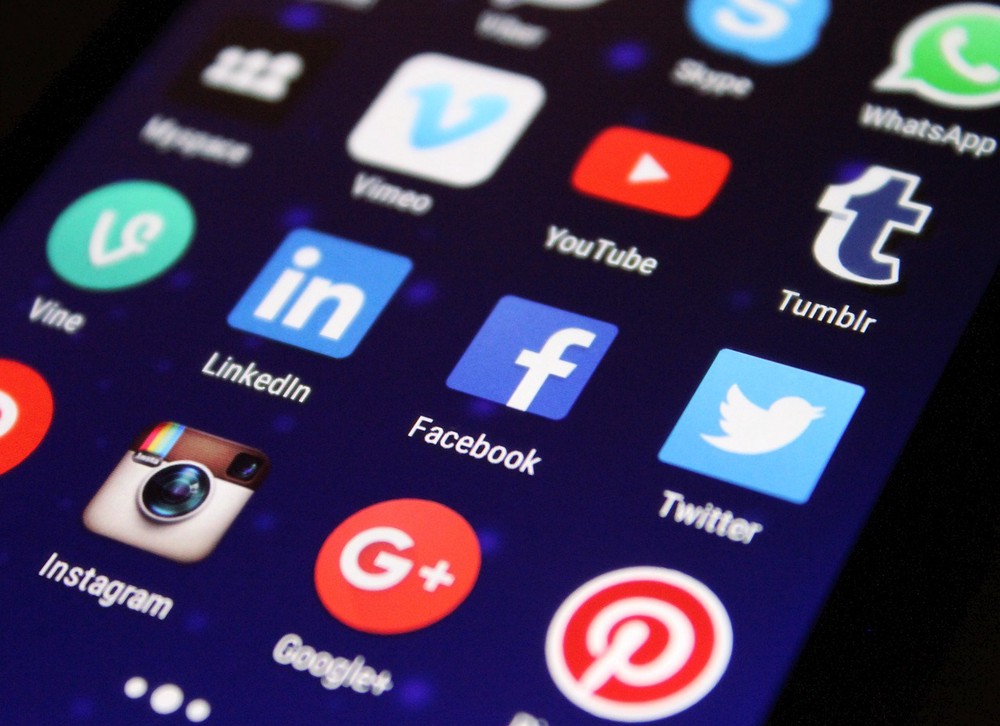
You pick up your phone to check one notification. Forty-five minutes later, you are still scrolling, your thumb moving on autopilot, your mind somewhere between numb and restless. If that loop sounds familiar, you are not alone—and it may be more than just a habit. For many people, compulsive scrolling is a quiet signal that social media use has tipped into anxiety.
Social media anxiety is not an official diagnosis, but clinicians recognize it as a real pattern: a cycle of checking, comparing, and worrying that feeds on itself. The platform is designed to keep you engaged, but when engagement starts to feel like an obligation or a source of dread, it is worth pausing to look at what is really going on. Here are seven warning signs that your scrolling might be doing more than killing time.
1. You check your phone within minutes of waking
Before your feet hit the floor, you have already scanned your notifications. This first-thing-in-the-morning check sets a reactive tone for the day. Instead of easing into your own thoughts, you start with everyone else’s curated lives, breaking news, and the nagging sense that you might have missed something important overnight. That low-grade urgency is a hallmark of social media anxiety.
2. You feel restless when you cannot scroll
If waiting in line, riding the bus, or sitting through a commercial feels almost unbearable, your tolerance for quiet moments may have shrunk. The compulsion to fill every gap with a swipe or a tap can be a way to avoid internal discomfort—and that avoidance is often fueled by anxiety. When the phone is out of reach, do you feel physically uneasy or irritable? That response is worth paying attention to.
3. You compare your life to posts and feel worse afterward
Scrolling through vacation photos, career wins, and happy family snapshots can leave you with a hollow feeling. Social comparison is baked into the experience, but when it consistently lowers your mood or makes you feel inadequate, it is a red flag. Research ties heavy social media use to increased symptoms of depression and anxiety, especially when the habit is driven by comparing your behind-the-scenes to everyone else’s highlight reel.
4. You get a spike of anxiety after posting
Instead of feeling relieved or happy after you share something, you find yourself refreshing to check for likes, comments, or reactions. You may worry about how your post was received or whether someone is upset by it. This post-publication unease is a very specific form of social anxiety that the always-on nature of social media amplifies. The platform becomes a stage, and every interaction feels like a judgment.
5. Your sleep suffers because you cannot stop scrolling at night
You tell yourself you will put the phone down at 11 p.m. Then it is 12:30 a.m., and you are deep in a thread that started with a funny meme and ended with an argument about politics. The blue light from your screen suppresses melatonin, and the emotional content keeps your brain alert. Poor sleep is both a symptom of and a contributor to anxiety. If your scrolling is regularly cutting into rest, the cycle is self-reinforcing.
6. You have tried to cut back but keep returning
You delete the app, or set a timer, or swear you will check only twice a day. Within hours or days, you are back on the platform. That pull is not simply a lack of willpower. Social media platforms use variable rewards—the same mechanism behind slot machines—to keep your brain hooked. When you feel anxious about missing out or being left behind, the compulsion to reopen the app can override your intentions.
7. Your scrolling affects your real-life relationships
You are at dinner with a friend, but your phone is face-up on the table and you glance at it mid-conversation. Your partner asks you a question, and you ask them to repeat it because you were looking at your feed. When social media intrudes on in-person connection, it can create distance and resentment. Anxiety about what is happening online may make you less present for the people who are actually in front of you.
What to do if you see yourself in these signs
Recognizing the pattern is the first step. You do not need to go cold turkey. Small adjustments can help reduce the hold that social media anxiety has on your day. Try designating phone-free zones—the bedroom, the dinner table, the first 30 minutes of your morning. Turn off all push notifications except for essential ones. Consider a weekly digital Sabbath where you take a full 24 hours off social platforms.
It can also help to ask yourself what you are really looking for when you pick up your phone. Boredom? Distraction? Connection? Reassurance? Sometimes you can address the underlying need more directly—by calling a friend, taking a walk, or sitting with the quiet for a minute instead of filling it with a scroll.
A simple reality check: If the tool you use to connect with others is making you feel more anxious, more alone, or more on edge, it is not working for you. You get to change how you use it—or whether you use it at all.