For many women, heavy menstrual bleeding is just a normal part of the monthly cycle. But when blood loss becomes excessive month after month, it can quietly drain your body’s iron stores, leading to iron-deficiency anemia. This condition sneaks up on you—symptoms often develop so gradually that you might convince yourself it’s just normal period fatigue. Recognizing the warning signs early can prevent complications and help you get the support your body needs.
Here are seven signs that you might be anemic due to heavy menstrual bleeding—and why you shouldn't brush them off as just another period problem.
1. You're exhausted even after sleeping
Feeling tired during your period is common, but anemia-related fatigue is different. It’s a deep, bone-tired feeling that doesn’t lift after a full night’s sleep. When your body lacks iron, it can’t produce enough hemoglobin—the protein red blood cells use to carry oxygen to your tissues. Without enough oxygen, your muscles and organs have to work harder, leaving you drained. If you find yourself routinely needing a nap after a good night’s rest, especially during or just after your period, it’s worth talking to a healthcare provider.
2. Your skin looks pale or “washed out”
Take a look in the mirror. Is your usual rosy complexion replaced by a paleness that doesn't bounce back? Reduced red blood cells mean less blood flow near the skin’s surface. You might notice pallor in your face, the inside of your lower eyelids, or your nail beds. People often say they look “washed out” or just not right. This can be one of the first visible clues that your body is low on iron.
3. You get winded doing simple tasks
Walking up a flight of stairs or carrying groceries leaves you breathless? Shortness of breath with normal activity is a classic sign of anemia. Again, it’s the low oxygen delivery to your muscles. Your lungs may feel like they’re working overtime just to keep up. If you’re a regular exerciser and suddenly can’t finish your usual routine without gasping for air, don’t dismiss it as being out of shape—your period could be a factor.
4. Your heart feels like it’s racing
When you’re anemic, your heart has to pump faster and harder to circulate the limited oxygen-rich blood throughout your body. This can lead to heart palpitations—a fluttering, pounding, or racing sensation in your chest. You might feel it most when you’re at rest or trying to fall asleep. While occasional palpitations can happen for many reasons, consistent ones paired with heavy periods should be checked out.
5. You have frequent or splitting headaches
Headaches are common during menstruation, but anemia-related headaches tend to be more frequent and persistent. With less oxygen reaching your brain, blood vessels can dilate, causing pain. These headaches often feel different from your usual hormonal ones—they might be more dull and constant rather than throbbing. If your go-to pain relievers aren’t touching the pain and you’re bleeding heavily, anemia could be the underlying culprit.
A quick check: If you’re experiencing dizziness, cold hands and feet, or brittle nails alongside these symptoms, it adds weight to the anemia concern.
6. You crave ice, dirt, or other non-food items
This one surprises many people. A condition called pica—cravings for non-nutritive substances—is strongly linked to iron deficiency. The most common craving is chewing ice (pagophagia). Some women also crave clay, starch, or even dirt. The exact reason isn’t fully understood, but it’s a well-documented sign. If you’re suddenly obsessed with crunching ice, especially around your period, bring it up with your doctor.
7. Your period is heavier than it used to be
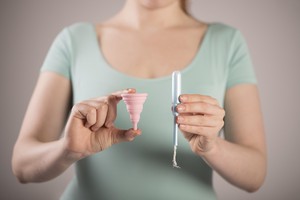
This sign is both a cause and a symptom. If you’re soaking through a pad or tampon every hour for several hours, passing clots larger than a quarter, or bleeding for more than seven days, that’s clinically heavy bleeding (menorrhagia). Over time, heavy cycles directly deplete iron stores. And once you’re anemic, your body is less able to recover quickly between periods. It becomes a cycle—low iron makes you feel worse, heavy bleeding depletes more iron. Breaking that cycle starts with recognizing how much blood loss is too much.
What to do if you recognize these signs
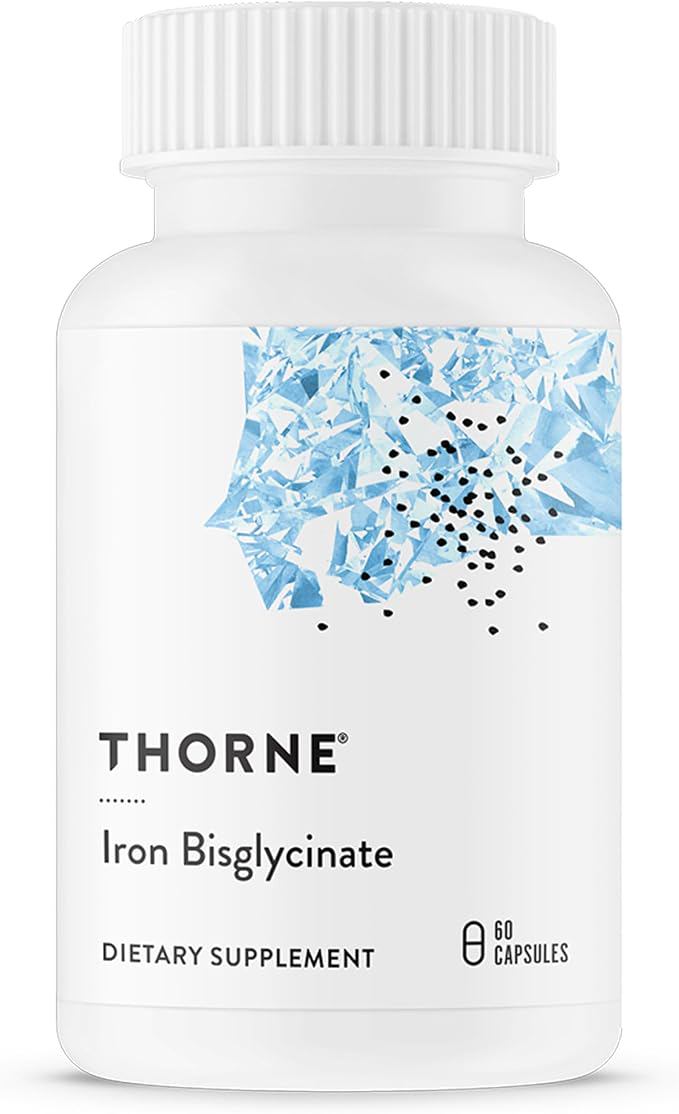
If several of these symptoms sound familiar, don’t wait to see if they improve on their own. Schedule an appointment with your primary care provider or gynecologist. A simple blood test called a complete blood count (CBC) can measure your hemoglobin, hematocrit, and iron levels. Based on the results, your doctor may recommend iron supplements, dietary changes, or treatments to reduce menstrual bleeding—such as hormonal birth control, tranexamic acid, or, in some cases, a minimally invasive procedure.
In the meantime, you can support your iron levels by including iron-rich foods in your diet. Heme iron from animal sources (red meat, poultry, fish) is absorbed more easily than non-heme iron from plants (spinach, beans, lentils). Pairing plant sources with vitamin C—like squeezing lemon on your greens—can boost absorption. But food alone may not be enough if you’re already anemic, which is why medical guidance is so important.
Your period shouldn’t leave you feeling sick or debilitated every month. By noticing these warning signs early, you can take charge of your health and get the care you need—before anemia takes a real toll on your body and your quality of life.