Many women assume that heavy, painful, or unpredictable periods are just part of the monthly routine—especially in their late 30s and 40s. But what feels like a bad case of cramps could actually be one of the subtle warning signs of perimenopause. This transitional phase, which can begin as early as a woman’s mid-30s, often announces itself with symptoms that are easy to brush off as normal period trouble.
Understanding the difference between typical menstrual discomfort and perimenopause signals can help you have more informed conversations with your healthcare provider. Below are seven signs that may seem like ordinary cramps or PMS, but could point to early perimenopause.
What is perimenopause?
Perimenopause is the natural transition period before menopause, when a woman’s ovaries gradually produce less estrogen. It can last anywhere from a few months to several years. During this time, menstrual cycles may become irregular, and new or intensified symptoms can appear—many of which overlap with common period complaints.
1. Unexpectedly heavy bleeding
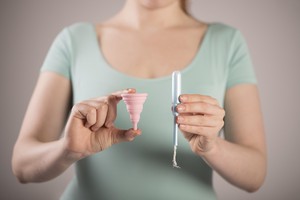
If you suddenly need to change your pad or tampon every hour, or you’re passing large clots, that’s not just a heavy period. This can be a sign that your hormone levels are fluctuating significantly. While heavy bleeding can occur with fibroids or other conditions, it is also a hallmark of perimenopause. If your flow is so heavy that it interferes with daily life, it's worth discussing with your doctor.
2. Periods that arrive more often than usual
Many women expect periods to become less frequent as they age. Yet perimenopause can cause the opposite: cycles that shorten to 21 days or less. You might experience two periods in a single month, which can feel like a random fluke but may actually be a hormonal shift. Pay attention if your cycle length changes by more than a few days.
3. Cramps that feel different or more intense
Perimenopause doesn’t just affect bleeding—it can change the nature of cramps themselves. Some women report a new kind of pelvic pressure, sharper pains, or cramping that starts earlier in the cycle. Because estrogen and progesterone are no longer in balance, the uterine lining may shed less smoothly, leading to more discomfort. If your usual over-the-counter remedies aren't touching the pain, that's a clue.
4. Spotting between periods
Light bleeding or brown discharge between your expected period days is often dismissed as stress or a fluke. But spotting that occurs mid-cycle or at random times can be a perimenopause marker. It reflects the ovaries' inconsistent hormone production. Keep a log: if spotting happens repeatedly over several months, mention it to your gynecologist.
5. Breast tenderness that lingers
Sure, breasts can be sore before a period. But perimenopause can cause prolonged tenderness that doesn't resolve when your period ends, or that flares up unpredictably. This is due to estrogen surges and drops. If the soreness feels different from your usual PMS pattern, or lasts for more than two weeks at a time, consider it a possible perimenopause signal.
6. Worsening PMS mood symptoms
Irritability, anxiety, and tearfulness are common before a period—but if they become overwhelming, or if they appear at random times in your cycle, something else may be going on. The brain has estrogen receptors that influence mood-regulating neurotransmitters like serotonin. During perimenopause, hormonal swings can amplify emotional reactions far beyond standard PMS. This is not about being “hormonal”; it’s a physiological response that deserves attention.
7. Night sweats that wake you
Many women associate night sweats with menopause, but they can start in perimenopause and are easily mistaken for sleeping too warm or a bad dream. If you wake up drenched, especially around the time of your period, that's a classic vasomotor symptom caused by dropping estrogen levels. Night sweats can also disrupt sleep, which then worsens other perimenopause symptoms like fatigue and brain fog.
A good rule of thumb: if a symptom is new, more intense, or persistent across multiple cycles, treat it as a signal—not just another bad period.
When to see a doctor
While these signs are common in perimenopause, they can also point to other conditions such as thyroid disorders, uterine fibroids, or endometriosis. It's important to get evaluated rather than self-diagnosing. A healthcare provider may run hormone tests, check iron levels (especially if bleeding is heavy), or order an ultrasound. They can also help manage symptoms with lifestyle guidance, supplements, or hormone therapy if appropriate.
Lifestyle strategies that support hormone balance
- Stress management is key. Chronic stress disrupts the HPO (hypothalamus-pituitary-ovary) axis, making perimenopause symptoms worse. Meditation, gentle yoga, and consistent sleep habits help buffer the hormonal rollercoaster.
- Prioritize protein and fiber. Eating enough protein at meals helps stabilize blood sugar, while fiber aids estrogen metabolism. Both can reduce the intensity of hot flashes and mood swings.
- Stay hydrated. Water intake is especially important during heavy bleeding to prevent dehydration and fatigue.
- Move your body regularly. Moderate exercise like brisk walking, swimming, or strength training can improve cramps, sleep, and mood. Avoid extreme high-intensity workouts during heavy bleeding days.
- Limit alcohol and caffeine. Both can trigger hot flashes and worsen anxiety. Try swapping your second cup of coffee for herbal tea.
Perimenopause is not a disease—it’s a transition. But that doesn’t mean you have to struggle in silence. Recognizing the difference between normal period cramps and subtle perimenopause warning signs gives you the power to seek support, adjust your routine, and move through this phase with more ease.