Vaginal dryness is one of the most common, yet often unspoken, experiences of menopause. As estrogen levels naturally decline, tissues can become thinner, less elastic, and lose their natural lubrication. While topical moisturizers and lubricants are direct and effective solutions, what you eat can also play a supportive role in nourishing your body from the inside out. Nutrition doesn't replace medical guidance, but it can be a foundational part of a holistic approach to well-being during this transition.
Certain foods contain compounds that may help support the body's natural moisture balance, promote tissue health, and provide the building blocks for hormones. Think of it as creating a supportive internal environment. The goal isn't to dramatically spike hormone levels with food—that's not how it works—but to provide consistent, gentle nutritional support for the systems involved.
How can food influence vaginal dryness?
It's all about indirect support. The foods highlighted here generally fall into a few key categories: those rich in phytoestrogens (plant compounds with mild estrogen-like activity), essential fatty acids that support cell membrane health and reduce inflammation, antioxidants that protect tissues, and vitamins crucial for maintaining mucous membranes. By incorporating these nutrients regularly, you're giving your body the raw materials it needs to function at its best during a time of change.
Foods to include for moisture support
Let's look at some specific foods that can be valuable additions to your diet. The emphasis is on whole, nutrient-dense choices that benefit your overall health, with the potential bonus of supporting vaginal tissue comfort.
1. Flaxseeds
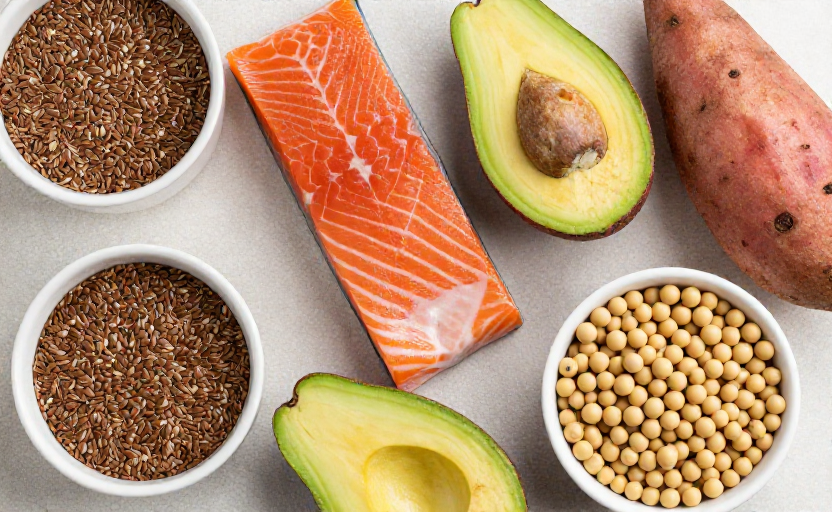
These tiny seeds are a powerhouse. They are one of the richest sources of lignans, a type of phytoestrogen. They're also packed with alpha-linolenic acid (ALA), an omega-3 fatty acid that helps combat inflammation. The combination may help support a more balanced hormonal environment and contribute to healthier cell membranes. Try grinding flaxseeds (your body absorbs them better this way) and sprinkling them on oatmeal, yogurt, or blending them into smoothies.
2. Soy foods
Edamame, tofu, tempeh, and unsweetened soy milk are excellent sources of isoflavones, another class of phytoestrogens. Research into soy and menopause symptoms has shown promising, though sometimes mixed, results. For many, including these foods as part of a balanced diet can offer gentle support. Opt for traditional, minimally processed forms of soy over heavily refined supplements or powders.
Consistency matters more than quantity. A daily sprinkle of flaxseed or a few servings of soy per week is more effective than an occasional large portion.
3. Fatty fish
Salmon, mackerel, sardines, and herring are rich in EPA and DHA, the long-chain omega-3 fatty acids. These fats are fundamental building blocks for healthy cell membranes throughout the body, including vaginal tissues. They also have potent anti-inflammatory effects. Aim for two servings of fatty fish per week.
4. Avocados
Creamy and satisfying, avocados deliver monounsaturated fats and vitamin E. Healthy fats are essential for hormone production and for maintaining supple, hydrated tissues. Vitamin E is a fat-soluble antioxidant that helps protect cells from oxidative damage and is often noted for its role in skin health.
5. Sweet potatoes
The vibrant orange color of sweet potatoes comes from beta-carotene, which your body converts to vitamin A. This vitamin is critical for the maintenance and repair of mucous membranes, the type of tissue that lines the vagina. They also provide fiber and complex carbohydrates for sustained energy.
6. Greek yogurt
Beyond being a great source of protein and calcium, plain Greek yogurt contains live probiotic cultures. A healthy gut microbiome is intricately linked to overall health, including how your body metabolizes and circulates hormones. Some research also suggests a connection between gut health and urogenital health. Choose plain varieties to avoid added sugars.
7. Cucumbers and celery
While not acting on hormones, these high-water-content vegetables are classic hydrators. Vaginal dryness can be exacerbated by overall dehydration. Eating water-rich foods contributes to your total fluid intake and helps maintain systemic hydration, which supports all your body's tissues.
Building a supportive eating pattern
Focus on creating a plate that consistently includes these elements: healthy fats, plant-based phytoestrogens, colorful antioxidants, and plenty of water. This pattern—think a salad with salmon and avocado, or a stir-fry with tofu and sweet potatoes—is more impactful than fixating on any single "magic" food.
It's also wise to be mindful of foods that might have a drying or irritating effect for some people. Excessive caffeine and alcohol can be dehydrating. Highly processed foods and refined sugars can promote inflammation, which may indirectly affect tissue health. Listening to your body's responses is key.
A note on expectations and medical care
Nutritional support is a gradual, foundational strategy. Don't expect overnight changes. The benefits accumulate over weeks and months of consistent eating. It's one piece of a larger puzzle that includes staying hydrated, using vaginal moisturizers for direct relief, and communicating with your healthcare provider.
If vaginal dryness is causing significant discomfort, pain during intercourse, or affecting your quality of life, please consult a doctor or gynecologist. They can discuss all available options with you, from over-the-counter aids to prescription treatments like topical estrogen therapy, ensuring you find a safe and effective plan tailored to your needs.