
Pregnancy mood swings can feel like an emotional tornado. One minute you’re laughing; the next, you’re crying over a commercial. While hormones are the main driver, what you eat plays a surprisingly direct role in how intense those highs and lows feel. The right foods can steady your blood sugar and support neurotransmitter production. The wrong ones can amplify irritability, anxiety, and fatigue.
If you are in the thick of overwhelming mood swings, the goal isn't a perfect diet. It's about removing common triggers that are quietly making your emotional roller coaster steeper. Here are seven foods to consider reducing or avoiding when you need more calm.
1. Refined Sugar and High-Fructose Corn Syrup
A candy bar or a sugary soda gives you a quick spike in energy—and a corresponding spike in blood sugar. Your body releases a surge of insulin to handle the glucose, which often results in a reactive hypoglycemic crash roughly 90 minutes later. That drop feels like shaky irritability, brain fog, and sudden tears.
What to watch for: Pastries, sugary cereals, flavored yogurts, candy, soda, and sweetened coffee drinks. Even “natural” sweeteners like agave can cause the same spike-crash pattern.
Tip: Pair any sweet treat with a protein or fat (like an apple with peanut butter) to slow absorption.
2. Ultra-Processed Snack Foods
Think of chips, packaged crackers, frozen meals, and instant noodles. These foods are engineered for taste, not emotional stability. They are typically low in fiber, protein, and micronutrients—and high in refined oils and additives. The lack of fiber means nutrients hit your bloodstream fast, repeating the blood sugar spike-crash cycle.
The inflammatory nature of processed seed oils (like soybean or sunflower oil) can also interfere with brain chemistry. Chronic low-grade inflammation is linked to higher rates of depression and anxiety, which are already amplified during pregnancy.
3. Caffeine (Especially Late in the Day)
Caffeine is a central nervous system stimulant. While one morning cup is generally considered safe during pregnancy, too much caffeine can directly worsen mood swings. It raises cortisol and adrenaline levels, which can mimic or amplify anxiety—jitteriness, racing heart, and that feeling of being on edge.
Even more problematic is afternoon or evening caffeine. Poor sleep quality is a hallmark of pregnancy, and caffeine disrupts deep sleep stages. Sleep deprivation is a direct mood destabilizer. If you are already struggling with irritability, cutting out caffeine after 2 p.m. can make a noticeable difference.
4. Diet Soda and Artificial Sweeteners
It might seem like a smart swap to choose diet soda over regular soda, but artificial sweeteners like aspartame, sucralose, and saccharin come with their own problems. Some research suggests they can alter the gut microbiome, which communicates directly with the brain via the gut-brain axis. A disrupted microbiome has been linked to higher rates of mood disorders.
Artificial sweeteners can also trick your brain into expecting sugar, leading to cravings that can worsen your overall diet quality. For some women, they trigger headaches or migraines—another unwelcome addition to a mood swing day.
5. Simple White Carbs (White Bread, Pasta, Rice)
Refined grains behave similarly to sugar in your body. A bagel or a bowl of white pasta gets broken down quickly into glucose, causing a rapid rise and fall in blood sugar. This is especially problematic if you are eating these foods without protein or fat.
A better swap: Choose whole grains like oats, quinoa, brown rice, or whole wheat bread. The fiber content slows digestion and provides a steadier stream of energy to your brain.
6. High-Sodium Packaged Soups and Meals
Pregnancy already causes fluid retention. High-sodium foods—canned soups, frozen dinners, ramen, and fast food—can exacerbate bloating and water retention. That physical discomfort often translates into mental discomfort. Feeling puffy and heavy can lower your tolerance for frustration and make you feel more fatigued.
Persistent high sodium intake can also elevate blood pressure, which is something to manage carefully in pregnancy. Stress about health metrics can feed into the cycle of mood swings.
7. Alcohol (Beyond the Standard Advice)
It is well established that there is no known safe amount of alcohol during pregnancy, and it is avoided to protect fetal development. But for the specific issue of mood swings, alcohol is a direct depressant. While it might temporarily reduce stress, it disrupts neurotransmitter balance and sleep architecture. The rebound effect the next day often includes increased anxiety, depression, and irritability. If you are feeling emotionally overwhelmed, skipping alcohol entirely is one of the most impactful steps you can take.
What to Eat Instead for Emotional Support
When you remove these destabilizing foods, you need to replace them with foods that support mood stability. The goal is steady blood sugar and adequate nutrients for brain health.
- Protein-rich snacks: Eggs, Greek yogurt, cottage cheese, nuts, and legumes provide amino acids that are precursors to mood-regulating neurotransmitters.
- Complex carbohydrates: Oatmeal, sweet potatoes, and beans provide a slow-release source of glucose for your brain.
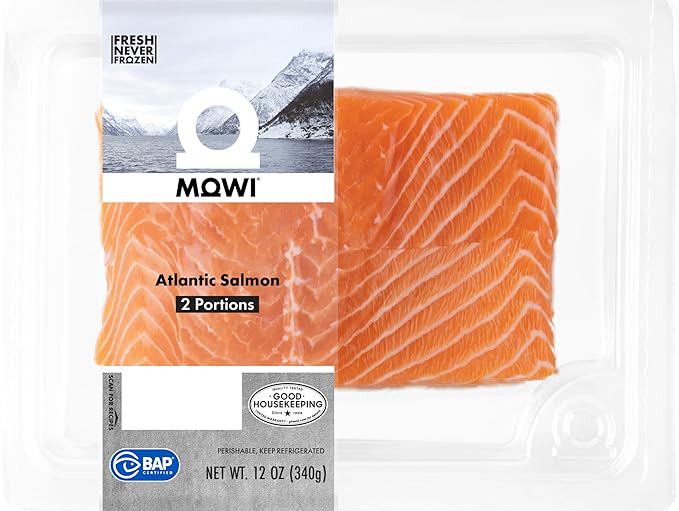
- Omega-3 fatty acids: Found in salmon, sardines, walnuts, and flaxseeds. Omega-3s are critical for brain cell membrane health and have been studied for their role in reducing depression.
- Leafy greens: Spinach, kale, and Swiss chard are rich in folate and magnesium—both tied to mood regulation.
- Hydration: Even mild dehydration worsens mood and cognitive function. Sip water throughout the day.
Small, frequent meals are often better than three large ones. A snack that combines protein, fiber, and healthy fat (like an apple with a handful of almonds) can keep your blood sugar even and your emotions more grounded.