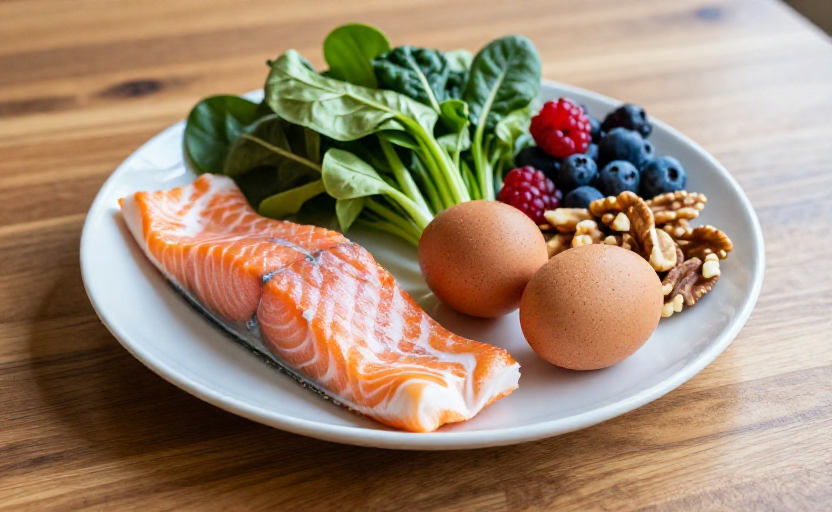
Muscle loss is a natural part of aging, but the rate at which it happens depends heavily on what we put on our plates. For older adults, maintaining strength and mobility isn't just about exercise — it's about giving the body the right nutrients to rebuild and repair. While a balanced diet matters at any age, certain foods offer concentrated benefits for muscle health, bone density, and joint function. Here are seven foods to consider adding to an older adult's daily routine to help preserve mobility and keep muscles strong.
Why Diet Matters for Aging Muscles
After about age 30, adults begin to lose muscle mass at a rate of roughly 3–8 percent per decade. This process, known as sarcopenia, can accelerate after 60. The result is reduced strength, slower walking speed, and a higher risk of falls. While protein intake is critical, the story doesn't end there. Nutrients like vitamin D, omega-3 fatty acids, antioxidants, and certain minerals all play distinct roles in muscle protein synthesis, inflammation control, and nerve function. The foods below deliver these nutrients in practical, everyday forms.
1. Eggs
Eggs are a complete protein source, meaning they contain all nine essential amino acids your body cannot make on its own. For older adults, the leucine in eggs is especially important — this amino acid acts as a trigger for muscle protein synthesis. One large egg provides about 6 grams of high-quality protein. Vitamin D, found in the yolk, also supports calcium absorption and muscle function. For someone with a smaller appetite, eggs offer a concentrated nutrient package in a small volume.
2. Salmon and Other Fatty Fish
Fatty fish like salmon, mackerel, and sardines deliver two things aging muscles need: protein and omega-3 fatty acids. Omega-3s, particularly EPA and DHA, have been shown to help slow the rate of muscle loss in older adults. A 2020 review in Nutrients found that omega-3 supplementation may improve muscle strength and physical function in people over 60. Salmon also provides vitamin D and B vitamins, both of which support energy metabolism and nerve health. Two servings per week is a practical target.
3. Greek Yogurt or Cottage Cheese
Dairy products like Greek yogurt and cottage cheese are rich in casein protein, which digests slowly and provides a steady stream of amino acids to muscles over several hours. This makes them an excellent choice for a pre-bedtime snack, as muscle repair largely occurs during sleep. Greek yogurt also contains calcium, phosphorus, and vitamin B12 — nutrients that support bone density and red blood cell formation. For older adults who struggle with chewing, yogurt is easy to eat and can be blended into smoothies or topped with berries.
4. Lentils and Beans
Plant-based protein sources are just as valuable as animal sources, especially for adults looking to increase fiber intake alongside protein. Lentils, chickpeas, and black beans provide about 15 grams of protein per cooked cup, along with iron, magnesium, and folate. Magnesium is particularly relevant for muscle function — it helps regulate muscle contractions and may reduce the risk of cramps. For older adults who want to limit meat consumption or manage cholesterol, legumes are a flexible, affordable option that works in soups, salads, and stews.
5. Leafy Greens (Spinach, Kale, Collard Greens)
Dark leafy greens are not a major source of protein, but they are dense in nitrates and antioxidants that support muscle efficiency. Nitrates help improve blood flow and oxygen delivery to working muscles, which can translate to better endurance during daily activities like walking or climbing stairs. Spinach also provides vitamin K, which is essential for bone health. A 2021 study in the Journal of Nutrition found that older adults who ate higher amounts of nitrate-rich vegetables had better lower-limb strength and walking speed. A simple side salad or a handful of spinach added to a smoothie can make a difference.
6. Nuts and Seeds
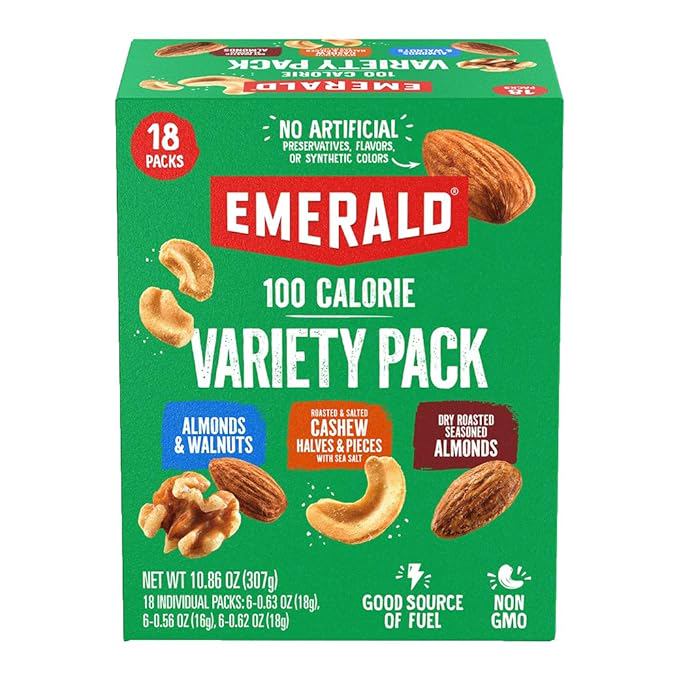
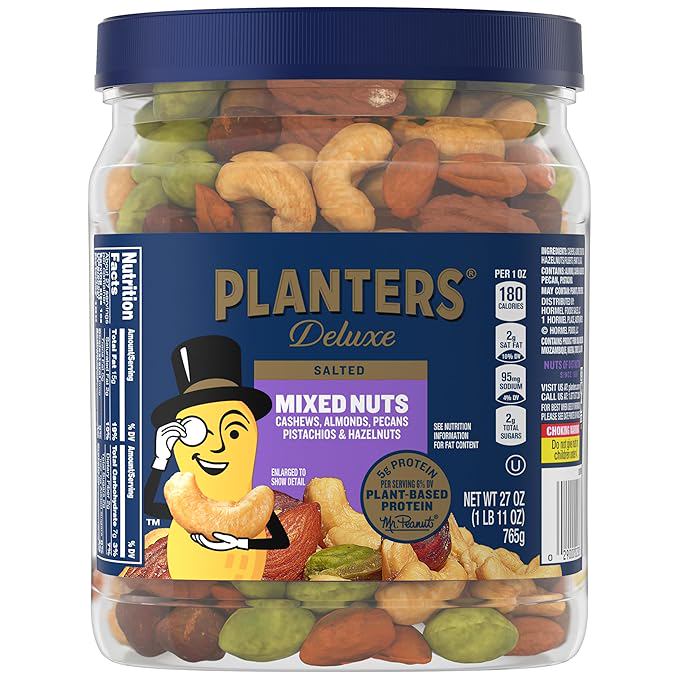
Almonds, walnuts, flaxseeds, and chia seeds offer protein, healthy fats, and vitamin E — a fat-soluble antioxidant that helps protect muscle cells from oxidative stress. Walnuts are one of the few plant sources of omega-3s. A small handful (about 1 ounce) provides roughly 4–6 grams of protein and a good dose of magnesium and zinc. For older adults who may need calorie-dense snacks, nuts are a practical way to add nutrients without requiring a large volume of food. They can be eaten whole, ground into nut butter, or sprinkled over oatmeal and yogurt.
7. Berries
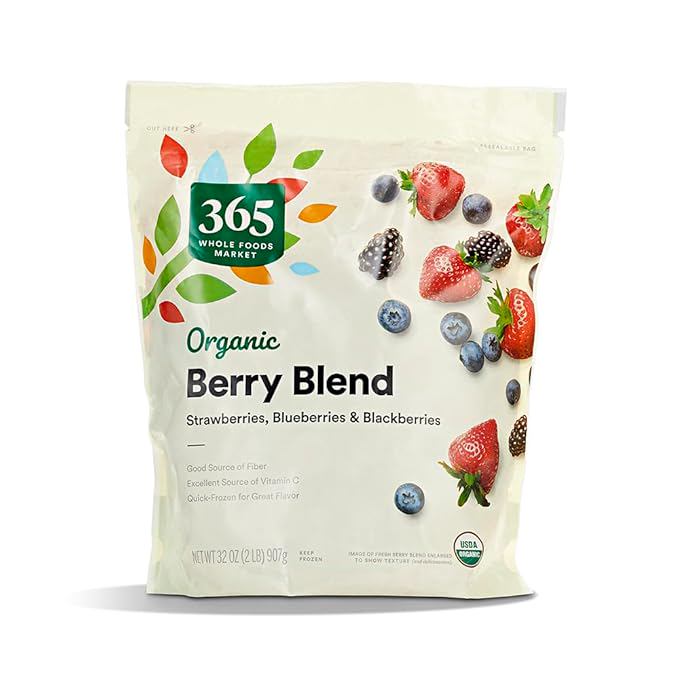
Blueberries, strawberries, and raspberries are high in anthocyanins and polyphenols — compounds that reduce inflammation and oxidative damage. Chronic low-grade inflammation is a driver of sarcopenia, so foods that help quiet that inflammatory response may preserve muscle mass over time. A 2019 trial published in Clinical Interventions in Aging found that older adults who consumed blueberries daily for six weeks showed improvements in walking speed and balance compared to a placebo group. Berries are easy to incorporate into breakfast, snacks, or desserts, and they pair well with yogurt or nuts for a more complete snack.
A quick note on protein timing: Spreading protein intake across three meals — rather than loading it all at dinner — may be more effective for muscle maintenance in older adults. Aim for roughly 25–30 grams of protein per meal.
Putting It All Together: Simple Meal Ideas
You don't need an elaborate nutrition plan to start. Here are a few ways to combine these foods into a day's worth of meals and snacks:
- Breakfast: Scrambled eggs with spinach and a side of berries
- Lunch: Lentil soup with a handful of walnuts and a small salad of kale and lemon dressing
- Snack: Greek yogurt topped with strawberries and flaxseeds
- Dinner: Grilled salmon with roasted broccoli and a quinoa pilaf
- Evening snack: Cottage cheese with a few walnut halves
What About Supplements?
Whole foods should always come first. Supplements like whey protein powder, vitamin D drops, or omega-3 fish oil can be useful if appetite is poor or dietary restrictions limit food choices, but they are not a replacement for a varied diet. Older adults with chronic conditions or those taking blood-thinning medications (like warfarin) should check with a healthcare provider before adding high-dose supplements, especially vitamin K, calcium, or omega-3s.
Mobility Beyond the Plate
While the right foods lay a strong foundation for muscle health, mobility also depends on regular physical activity, hydration, and adequate sleep. Resistance exercises — even light bodyweight movements like sit-to-stand from a chair — help signal muscles to use the protein you're eating. Pairing a nutrient-dense diet with simple daily movement creates a feedback loop that supports independence and quality of life.
Making changes to an older adult's diet doesn't have to mean a complete overhaul. Start by adding one or two of the foods above into existing meals. Over time, small shifts can lead to meaningful improvements in how someone feels walking up stairs, carrying groceries, or getting out of a chair. The goal is not perfection — it is consistent, nourishing choices that support the body you are living in today.