
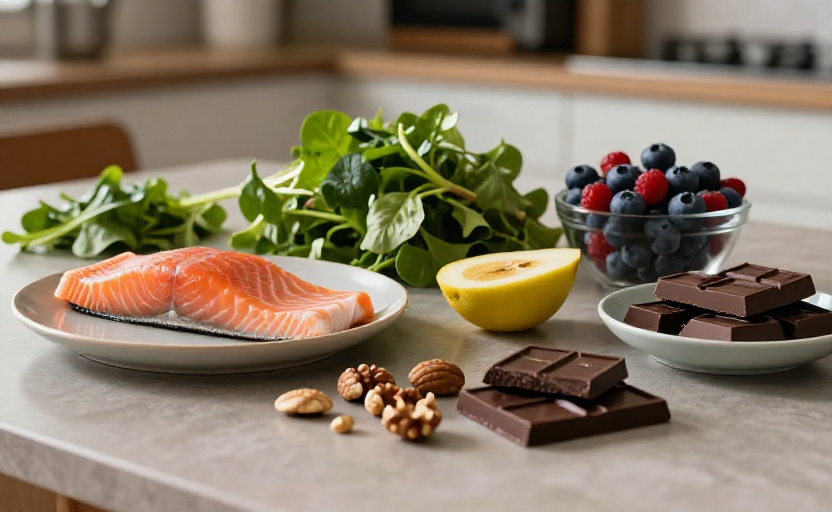
Grief can feel like a storm that upends everything—your emotions, your energy, and even your appetite. In the midst of that upheaval, food can seem like an afterthought, or a chore. Yet, what you choose to eat during this time can be a quiet, grounding act of care. It won't erase the pain, but it can offer your body and nervous system some of the basic support they need to weather it.
We spoke with dietitians about foods that may help provide a foundation of stability. Think of these not as a cure, but as gentle, nourishing tools to help manage the emotional turbulence and fatigue that often accompanies loss.
Why Food Matters When You're Grieving
Grief is a full-body experience. Stress hormones like cortisol can surge, disrupting sleep, digestion, and mood regulation. You might experience "brain fog," low energy, or a nervous system that feels constantly on edge. Nutrient-dense foods work on a cellular level to help modulate these physiological responses. They provide the raw materials for neurotransmitters that regulate mood, help buffer the effects of stress, and supply steady energy when reserves are depleted.
Food is one of the few things within your control when everything else feels chaotic. It's a tangible way to offer yourself kindness.
Foods That May Offer Support
Here are seven foods dietitians often highlight for their potential to support emotional and physical resilience during difficult times.
Fatty Fish
Salmon, mackerel, sardines, and anchovies are rich in omega-3 fatty acids, particularly EPA and DHA. These fats are crucial components of brain cell membranes and have well-studied anti-inflammatory properties. Chronic stress and grief can promote inflammation, which is increasingly linked to low mood. Including fatty fish a few times a week provides the building blocks your brain needs to function and may help temper an inflammatory response.
Dark Leafy Greens
Spinach, kale, Swiss chard, and collards are powerhouses of folate and magnesium. Folate is involved in the production of serotonin and dopamine, neurotransmitters central to mood regulation. Magnesium, often depleted during stress, acts as a natural relaxant for the nervous system and is involved in hundreds of biochemical reactions in the body, including those that manage the stress response. A simple sauté or adding a handful to a smoothie can be an easy way to incorporate them.
Complex Carbohydrates
Oats, quinoa, sweet potatoes, beans, and whole-grain bread help stabilize blood sugar levels. When blood sugar crashes, it can exacerbate feelings of irritability, anxiety, and fatigue—sensations that are already heightened in grief. These slow-digesting carbs provide a steady release of glucose, the brain's primary fuel, supporting more stable energy and mood throughout the day.
Berries
Blueberries, strawberries, raspberries, and blackberries are loaded with antioxidants like vitamin C and flavonoids. Oxidative stress increases when we're under prolonged emotional strain. Antioxidants help combat this cellular damage. Berries also have fiber, which supports gut health—an area now closely linked to mood via the gut-brain axis.
Plain Greek Yogurt
Fermented foods like yogurt, kefir, and kimchi contain probiotics, beneficial bacteria that reside in your gut. A growing body of research suggests a strong connection between a healthy gut microbiome and emotional health, often called the gut-brain connection. During grief, digestive issues are common; supporting your gut with probiotics may have a positive ripple effect on mood. Opt for plain versions to avoid added sugars.
Nuts and Seeds
Walnuts, almonds, pumpkin seeds, and chia seeds are excellent sources of zinc, selenium, and healthy fats. Zinc is vital for neurotransmitter function and is another nutrient that can be depleted by stress. Selenium plays a key role in cognitive function and mood. A small handful makes for a stable, nutrient-dense snack when preparing a full meal feels like too much.
Dark Chocolate
Choosing dark chocolate with a high cocoa content (70% or more) can be a small, comforting pleasure with potential mood benefits. Cocoa contains compounds that may boost endorphins and improve blood flow to the brain. It also contains magnesium. The key is moderation—a square or two can be a mindful treat that feels nurturing without relying on a sugar crash later.
How to Approach Eating When Nothing Sounds Good
The idea of preparing a balanced meal can feel impossible in deep grief. Be gentle with yourself. The goal is adequacy, not perfection.
- Simplify: Aim for at least two food groups at a time—like yogurt with berries, or toast with nut butter.
- Hydrate: Dehydration worsens fatigue and brain fog. Keep a water bottle nearby, or try herbal teas like chamomile.
- Accept Help: If people offer to bring food, say yes. Be specific if you can ("A simple soup would be wonderful").
- Lean on Convenience: Pre-cut vegetables, canned beans, frozen berries, and hard-boiled eggs are all nutritious, low-effort options.
Remember, these foods are part of a supportive framework, not a substitute for professional care or the grieving process itself. If you find your appetite is absent for a prolonged period, or if low mood persists, reaching out to a therapist, doctor, or registered dietitian is a courageous and important step. In the landscape of grief, nourishing yourself is a quiet act of endurance.