When it comes to sexual wellness, the conversation often focuses on exercise, stress, and medical interventions. Yet, what we put on our plates can be a foundational, yet frequently overlooked, piece of the puzzle. Nutrition influences everything from blood flow and nerve function to hormone balance and stress response—all of which play a role in sexual health. While no single food is a magic cure, building a diet rich in certain nutrients may help create a physiological environment more conducive to control and satisfaction.
Think of it as supporting your body's natural systems. The goal isn't to find a quick fix, but to nourish the pathways involved in sexual function. The following foods are recognized for their potential to support aspects like nitric oxide production for blood flow, neurotransmitter regulation for arousal and control, and overall nervous system calm. Incorporating them into a balanced diet is a gentle, holistic step toward wellness.
How can diet influence sexual function?
Sexual response is a complex interplay of the nervous, circulatory, and endocrine systems. What we eat can subtly modulate these systems. For instance, foods rich in antioxidants help protect blood vessels and support healthy circulation, which is essential for arousal. Nutrients like zinc and magnesium are involved in hormone production, including testosterone, which influences libido. Furthermore, certain amino acids are precursors to neurotransmitters like serotonin and dopamine, which regulate mood, pleasure, and the ejaculatory reflex. A diet that reduces inflammation and oxidative stress can, over time, contribute to better overall function and resilience.
Food is not medicine, but it is foundational medicine. It provides the building blocks your body uses to maintain every system, including sexual health.
Foods to consider for your plate
Focus on adding these nutrient-dense foods to your regular meals, rather than seeking a one-time solution. Variety and consistency are key.
1. Oats and Whole Grains
Often touted as a libido booster, oats contain L-arginine, an amino acid that the body converts into nitric oxide. Nitric oxide is a vasodilator, meaning it helps relax and widen blood vessels, improving circulation. Better blood flow is a cornerstone of sexual arousal and function. Oats are also rich in B vitamins, which support nerve health and energy levels.
2. Fatty Fish (Salmon, Mackerel, Sardines)
The omega-3 fatty acids in fatty fish are powerful anti-inflammatories. Chronic inflammation can impair blood vessel function and hormone balance. Omega-3s also support brain health and may positively influence neurotransmitter activity. Furthermore, fish is an excellent source of vitamin D, which is linked to testosterone levels.
3. Dark Leafy Greens (Spinach, Kale, Swiss Chard)
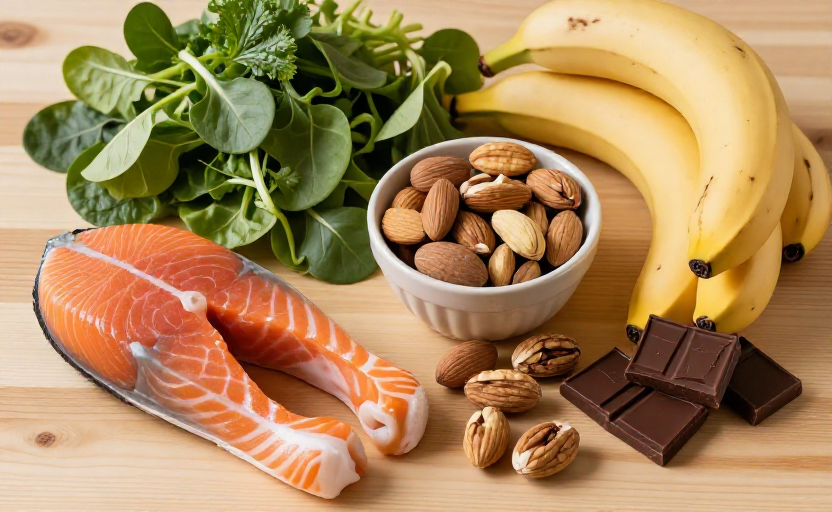
Packed with magnesium, these greens are nature's relaxant. Magnesium helps regulate muscle and nerve function, promoting relaxation of the smooth muscle tissue in blood vessels and throughout the body. This can help mitigate the physical tension and anxiety that sometimes exacerbates premature ejaculation. They're also rich in folate, which aids in nitric oxide production.
4. Nuts and Seeds (Pumpkin Seeds, Walnuts, Almonds)
A true powerhouse for men's health. Pumpkin seeds are one of the best natural sources of zinc, a mineral crucial for testosterone production and prostate health. Walnuts are high in plant-based omega-3s (ALA) and antioxidants. Almonds provide magnesium and vitamin E. A small handful daily can be a simple, effective addition.
5. Dark Chocolate (70% cocoa or higher)
Beyond being a pleasurable treat, quality dark chocolate contains compounds like flavonoids that improve blood flow by stimulating nitric oxide production. It also contains phenylethylamine, a compound that can promote feelings of well-being and arousal. The key is to choose varieties with high cocoa content and low sugar.
6. Bananas
This accessible fruit is a great source of potassium, which is vital for heart and muscle function, and bromelain, an enzyme believed to help boost libido. More importantly, bananas are rich in vitamin B6, which is involved in the production of serotonin. Balanced serotonin levels are important for mood regulation and may influence the ejaculatory threshold.
7. Watermelon
Watermelon contains citrulline, an amino acid that the kidneys convert into arginine, which then boosts nitric oxide production. This can lead to improved blood vessel relaxation and circulation. While the concentration is highest in the rind, eating the red flesh still provides benefits along with hydration and antioxidants like lycopene.
Building a supportive eating pattern
It's more effective to think in terms of a dietary pattern than individual "magic" foods. Aim for a balanced plate that emphasizes:
- Plant-based foods: Fruits, vegetables, legumes, and whole grains provide fiber, antioxidants, and phytonutrients that reduce systemic inflammation.
- Healthy fats: From avocados, olive oil, nuts, and fatty fish to support hormone production and brain health.
- Lean proteins: For amino acid building blocks, without the saturated fat found in processed red meats.
- Hydration: Adequate water intake is essential for all bodily processes, including circulation.
Simultaneously, it's wise to limit or avoid foods that can detract from your goals: excessive alcohol, which can depress the nervous system and impair performance; highly processed foods and sugars, which promote inflammation; and stimulants like excessive caffeine, which may increase anxiety in some individuals.
A note on expectations and next steps
Dietary changes work gradually, supporting your body's physiology over weeks and months. They are one component of a holistic approach to sexual wellness, which should also include stress management techniques like mindfulness or yoga, regular physical activity, open communication with your partner, and quality sleep.
If premature ejaculation is a persistent concern that causes you distress, it is important to consult a healthcare professional. A doctor or urologist can rule out any underlying medical conditions and discuss the full range of management options, which may include behavioral techniques, counseling, or other therapies. Viewing nutrition as a form of foundational self-care empowers you to take an active, positive role in your overall health, with potential benefits that extend far beyond the bedroom.