
The balance of microorganisms in the vaginal microbiome plays a central role in overall reproductive health. When beneficial bacteria — particularly Lactobacillus species — thrive, they help maintain an acidic environment that discourages harmful pathogens. Diet can influence this microbial community. The foods you eat may either support or disrupt the delicate ecosystem.
Below are seven scientifically backed foods that can help maintain healthy vaginal flora and reduce the risk of common infections, including bacterial vaginosis and yeast overgrowth.
1. Yogurt and other fermented dairy
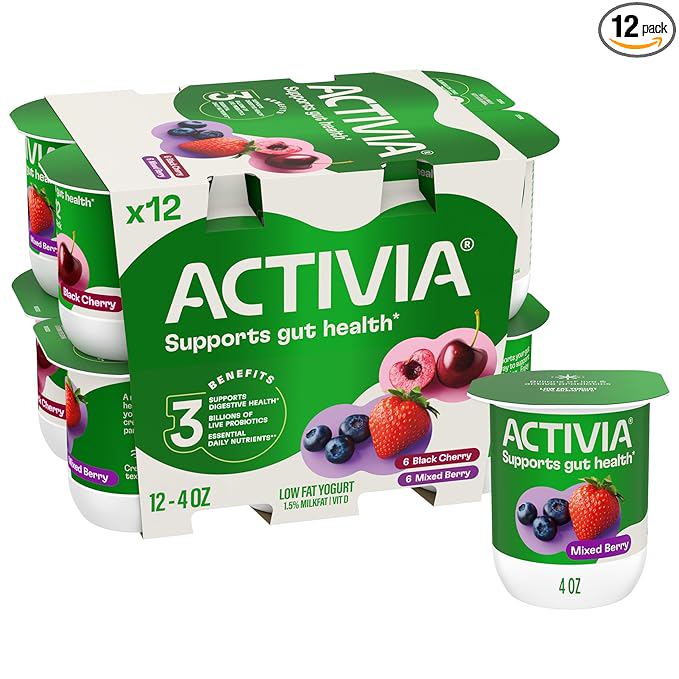
Live-culture yogurt is one of the most widely studied foods for vaginal health. It contains Lactobacillus strains that can colonize the gut and, in turn, support the vaginal microbiome. Regular consumption of unsweetened yogurt — or kefir — may help maintain a healthy pH and lower the risk of bacterial vaginosis. Look for products labeled with “live and active cultures.”
2. Cranberries
While cranberries are best known for urinary tract support, they also benefit the vaginal environment. Cranberries contain proanthocyanidins, compounds that prevent bacteria from adhering to mucosal surfaces. This anti-adhesion property may reduce the likelihood of both urinary tract infections and disruptions in vaginal flora. Unsweetened cranberry juice or dried cranberries without added sugar are the best choices.
3. Garlic
Garlic’s antimicrobial properties come from allicin, a sulfur compound released when the clove is crushed. Research suggests that garlic can inhibit the growth of Candida albicans, the fungus responsible for most vaginal yeast infections. Including fresh garlic in your cooking may offer a protective effect. Garlic supplements should be used with caution, as high doses can irritate mucous membranes.
4. Leafy greens and vegetables rich in folate
Dark leafy greens such as spinach, kale, and Swiss chard provide folate, a B vitamin that supports cell regeneration and immune function. A well-functioning immune system helps the body keep opportunistic infections in check. Folate also plays a role in healthy cervical tissue. Aim for a variety of colorful vegetables to supply both folate and other antioxidants.
5. Sweet potatoes and other vitamin A sources
Vitamin A is essential for maintaining the integrity of mucosal linings, including those in the vaginal tract. Sweet potatoes, carrots, and butternut squash are rich in beta-carotene, which the body converts into vitamin A. Healthy mucosal barriers are more resistant to invasion by pathogens, making this nutrient a key part of a vaginal-health-supporting diet.
6. Flaxseeds and omega-3-rich foods
Omega-3 fatty acids found in flaxseeds, chia seeds, walnuts, and fatty fish help regulate inflammation throughout the body. Chronic inflammation can disrupt the microbial balance in the vagina. By promoting a balanced immune response, omega-3s may help reduce the risk of recurrent infections. Ground flaxseeds are especially versatile — add them to smoothies, oatmeal, or salads.
7. Berries and citrus fruits
Vitamin C is a powerful antioxidant that supports immune function and tissue repair. Berries (blueberries, strawberries, raspberries) and citrus fruits (oranges, grapefruits) are excellent sources. A strong immune system can more effectively prevent the overgrowth of yeast and harmful bacteria. These fruits also provide flavonoids that work synergistically with vitamin C.
Quick tip: Pair vitamin-C-rich foods with a source of iron (such as spinach or lentils) to improve absorption — this combination supports both immune function and energy levels.
Incorporating a variety of these foods into your daily meals can create a dietary pattern that supports vaginal health over the long term. No single food is a cure or a guarantee against infection, but a nutrient-dense, anti-inflammatory diet lays a strong foundation for a balanced microbiome.
Additional considerations: Staying hydrated, limiting added sugars, and avoiding unnecessary antibiotic use are also important for maintaining healthy vaginal flora. If you experience recurrent symptoms — unusual discharge, itching, or odor — consult a healthcare provider for proper diagnosis and treatment.