
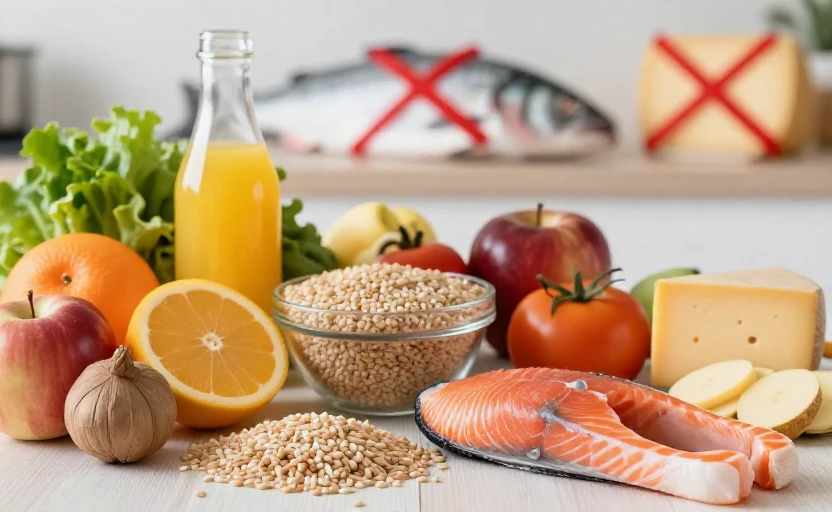
The first trimester is a time of profound change, a quiet internal revolution where your body begins the incredible work of building a new life. Alongside the joy and anticipation, it’s natural to feel a wave of responsibility, especially around what you eat. Navigating food choices can suddenly feel complex, as you learn that some everyday favorites now require a second glance.
This isn’t about fostering fear or creating a long list of forbidden items. It’s about understanding the simple, science-backed reasons behind certain recommendations. The goal is to minimize exposure to potential foodborne pathogens and substances that could interfere with your baby’s crucial early development, giving you one less thing to worry about during these foundational weeks.
Why Food Safety Matters More Now
Your immune system undergoes subtle shifts during pregnancy, a natural adaptation that helps your body welcome the growing fetus. This means you might be slightly more susceptible to infections from bacteria, viruses, or parasites that food can sometimes carry. An illness that might have been a minor inconvenience before can have more serious implications now.
Furthermore, your baby’s major organs and nervous system are forming at a rapid pace during the first trimester. Avoiding certain foods is primarily about reducing any risk that could disrupt this delicate and vital process. It’s a temporary, precautionary measure for a profoundly important reason.
Foods to Set Aside for Now
Let’s walk through the key categories. Think of this not as restriction, but as informed selection—choosing the safest versions of the foods you love.
1. Raw or Undercooked Animal Products
This category is all about avoiding bacteria like Salmonella, E. coli, and Listeria. Ensure all meats, poultry, and seafood are cooked to safe internal temperatures. Use a food thermometer for certainty.
When dining out, send back any undercooked meat, poultry, or fish. It’s always okay to ask for it to be cooked through.
- Raw Seafood: This includes sushi, sashimi, ceviche, and raw oysters or clams. Opt for cooked sushi rolls (like those with tempura shrimp or eel) or fully cooked seafood dishes.
- Undercooked Meat & Poultry: Avoid rare or medium-rare steaks, burgers, or pork. Poultry should never be pink.
- Raw Eggs: Skip foods that traditionally contain raw or lightly cooked eggs, such as homemade Caesar dressing, hollandaise sauce, tiramisu, certain cookie doughs, and homemade mayonnaise. Commercially prepared versions of these items are typically made with pasteurized eggs and are safe.
2. Unpasteurized (Raw) Dairy and Juices
Pasteurization is a heating process that kills harmful bacteria without significantly affecting nutritional value. Unpasteurized products can harbor Listeria, a particular concern in pregnancy.
- Raw Milk & Cheeses: Avoid milk, yogurt, and soft cheeses (like Brie, Camembert, feta, queso blanco, and queso fresco) unless the label clearly states “made with pasteurized milk.” Hard cheeses (like cheddar or Parmesan) and most soft, spreadable cheeses (like cream cheese) are generally safe.
- Unpasteurized Juice/Cider: This includes fresh-squeezed juices from farmers' markets or roadside stands unless you bring them to a boil yourself. Shelf-stable or refrigerated juices from major brands are pasteurized.
3. High-Mercury Fish
Mercury is a metal that can harm a developing baby’s nervous system. It accumulates in larger, longer-living predatory fish. The good news is many fish are low in mercury and excellent sources of omega-3 fatty acids, which support brain development.
Fish to avoid include shark, swordfish, king mackerel, marlin, orange roughy, and bigeye tuna. When it comes to canned tuna, choose “light” tuna (typically skipjack) over albacore (“white”) tuna, and limit albacore to one serving per week.
4. Raw Sprouts and Unwashed Produce
Raw alfalfa, clover, radish, and mung bean sprouts can be risky because the warm, humid conditions needed to grow them are also ideal for bacterial growth like Salmonella and E. coli. It’s safest to avoid them raw entirely; cooking them thoroughly destroys any bacteria.
All fruits and vegetables should be rinsed thoroughly under running water before eating, cutting, or cooking, even those you plan to peel. This simple step helps remove surface dirt and bacteria.
5. Processed Meats and Pâtés
Deli meats, hot dogs, and refrigerated pâtés or meat spreads can be contaminated with Listeria after processing. If you choose to eat them, reheat them until they are steaming hot (165°F) to kill any bacteria. Canned and shelf-stable pâtés are safe.
6. Excess Caffeine
While complete avoidance isn’t necessary for most, high caffeine intake has been linked to an increased risk of miscarriage and low birth weight. Major health organizations suggest limiting caffeine to less than 200 milligrams per day. For context, an 8-ounce cup of brewed coffee has about 95 mg, a shot of espresso about 64 mg, and an 8-ounce black tea about 47 mg. Remember, caffeine is also present in soda, energy drinks, and chocolate.
7. Alcohol
There is no known safe amount or safe time to drink alcohol during pregnancy. Alcohol passes directly to the baby through the placenta and can interfere with development, leading to Fetal Alcohol Spectrum Disorders (FASDs). The most cautious approach is to avoid all alcoholic beverages, including beer, wine, and liquor, for the duration of your pregnancy.
Building Your First Trimester Plate
Focusing on what you can enjoy is far more empowering. Build your meals around a colorful variety of cooked vegetables, fruits, whole grains, lean proteins (like well-cooked poultry, beans, and lentils), healthy fats (like avocados and nuts), and pasteurized dairy. Staying hydrated with plenty of water is also key.
If you have a specific question about a food or find a particular recommendation challenging, your healthcare provider or a registered dietitian specializing in prenatal nutrition is your best resource. They can offer personalized guidance that fits your lifestyle and health history.
This list is a framework for safety, not a source of stress. Making mindful choices is one of the many ways you’re already caring for your little one, right from the very start.