
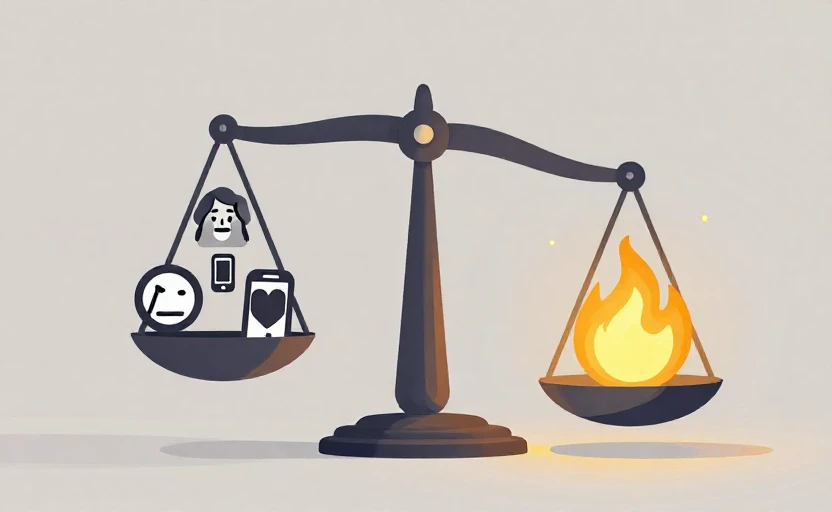
Sexual desire is a delicate, fluctuating part of our well-being, influenced by a complex web of physical health, emotional state, and daily routines. Often, a dip in libido isn't about a single dramatic cause but the cumulative effect of subtle, everyday patterns. By tuning into these habits, we can better understand our bodies and make supportive adjustments.
Let's explore some common daily routines that might be quietly dimming your spark.
Are you getting enough quality sleep?
Chronic sleep deprivation is a major libido killer, yet it's often overlooked. When you're consistently tired, your body prioritizes basic survival functions over reproductive drive. Lack of sleep disrupts the delicate balance of hormones like testosterone and cortisol, leaving you with less energy and diminished interest in intimacy.
Think of sleep as non-negotiable maintenance for your sexual health, not a luxury.
Aim for seven to nine hours of restful sleep per night. Creating a calming bedtime ritual—dimming lights, putting away screens, and reading—can signal to your body that it's time to wind down and restore.
How is your stress management?
Living in a constant state of high alert, with stress hormones like cortisol perpetually elevated, directly opposes the relaxed state needed for sexual arousal. When your nervous system is stuck in "fight or flight," it's nearly impossible to access the "rest and connect" state where desire flourishes.
This isn't just about major life crises. The drip-feed of daily worries—work deadlines, financial pressure, family logistics—can keep your system on edge. Finding small, consistent ways to discharge that tension is key. This could be a daily 10-minute walk, deep breathing exercises, or even a few moments of quiet with a cup of tea.
What's your relationship with alcohol?
While a glass of wine might seem like a way to loosen up, regular or heavy alcohol use is a central nervous system depressant. It can numb sensations, impair arousal, and interfere with the hormonal signals needed for desire and orgasm. Over time, it can also contribute to fatigue and low mood, further dampening interest.
Are you moving your body—or stuck sitting all day?
Regular physical activity is a powerful booster for libido. It improves blood circulation, boosts mood-enhancing endorphins, helps regulate hormones, and increases body confidence. Conversely, a sedentary lifestyle can lead to fatigue, poor body image, and reduced blood flow, all of which can lower desire.
This doesn't require intense training. The goal is consistent movement that you enjoy, whether it's dancing, yoga, swimming, or a brisk walk. The key is to get your heart rate up and reconnect with the physical feeling of being in your body.
What does your daily diet look like?
Nutrition provides the building blocks for your sex hormones. A diet consistently high in processed foods, sugar, and unhealthy fats can lead to inflammation, energy crashes, and hormonal imbalances. Conversely, a lack of key nutrients like zinc, magnesium, and certain B vitamins can also play a role.
Focus on incorporating more whole foods: colorful vegetables, lean proteins, healthy fats, and complex carbohydrates. Staying well-hydrated is also crucial, as even mild dehydration can cause fatigue and low energy.
Is your phone the last thing you see at night?
The blue light emitted from screens (phones, tablets, laptops) in the hours before bed suppresses melatonin production, disrupting your sleep cycle and, by extension, your hormonal balance. Beyond the light, the content itself—scrolling through work emails or stressful news—can activate your mind and increase anxiety, making it harder to transition into a relaxed, intimate state.
Consider a digital curfew an hour before bedtime. Charge your phone outside the bedroom and replace scrolling with a book, gentle music, or conversation with a partner.
How are your relationship dynamics day-to-day?
Desire often thrives on connection, and that connection is built or eroded in small daily moments. A pattern of unresolved conflicts, lack of non-sexual touch (like hugging or holding hands), or feeling more like co-managers of a household than romantic partners can create emotional distance.
Intimacy is about feeling seen and safe. Cultivating it might mean scheduling regular time to talk without distractions, expressing appreciation, or simply making a point to greet each other warmly at the end of the day. When emotional connection feels strong, sexual desire often follows more naturally.
If you notice your own habits reflected here, approach yourself with curiosity, not criticism. Small, sustainable shifts in these areas can create a more supportive foundation for your sexual well-being. However, if low desire persists and causes you distress, it's always wise to consult a healthcare provider to rule out underlying medical conditions or explore supportive therapies.