
For many women, menopause brings more than hot flashes and disrupted sleep. A foggy, sluggish feeling in the brain—often described as "menopause brain"—can make it difficult to focus, recall names, or follow a conversation. While fluctuating estrogen plays a central role, emerging research suggests that calcium homeostasis is also deeply tied to cognitive function during this transition.
Rather than reaching for a supplement, the most effective and safest way to support both bone health and mental clarity is through food. Below are seven calcium-rich meals designed to nourish your brain and steady your energy through the menopausal years. Each meal is built around whole foods that provide calcium alongside complementary nutrients like magnesium, vitamin K2, and vitamin D—factors that help your body actually use the calcium you consume.
1. Sardine and Avocado Toast on Sourdough
One tin of sardines with bones delivers roughly 350 mg of calcium—about a third of your daily needs—alongside a generous dose of vitamin D and omega-3 fatty acids. Mash the sardines with half a ripe avocado, a squeeze of lemon, and a pinch of black pepper. Spread onto a slice of toasted sourdough (a fermentation-friendly choice that is gentler on digestion than many commercial breads). The healthy fats from the avocado help with estrogen receptor sensitivity, while the omega-3s in sardines reduce neuroinflammation, a known driver of brain fog.
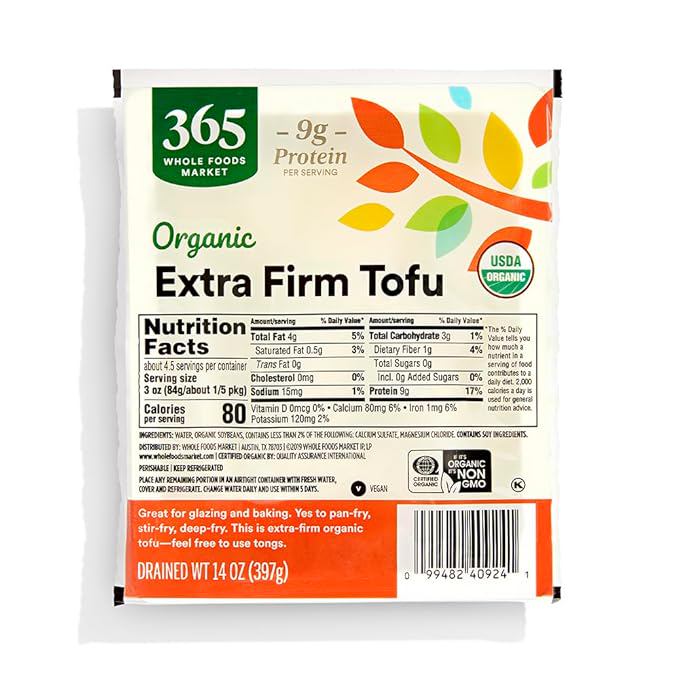
2. Sesame-Crusted Tofu Stir-Fry
Firm tofu made with calcium sulfate is one of the most concentrated plant-based sources of calcium—half a block can provide 400 mg or more. Cube the tofu, coat it in sesame seeds, and pan-sear until golden. Toss with broccoli (another good calcium source, at about 60 mg per cup), shiitake mushrooms, and a sauce made from tamari, minced ginger, and a splash of rice vinegar. Sesame seeds add zinc, which is often low during perimenopause and is essential for neurotransmitter function. Serve over a small portion of brown rice or quinoa.
3. Collard Greens and White Bean Soup
A single cup of cooked collard greens provides 350 mg of calcium, along with vitamin K1, which works synergistically with calcium for cognitive blood-vessel health. Sauté onions and garlic, add diced carrots and celery, then stir in a can of cannellini beans (another calcium-rich legume). Pour in a low-sodium vegetable broth and simmer with chopped collard greens until tender. The beans offer steady blood-sugar regulation, which helps reduce the mental fatigue that often accompanies menopause brain fog.
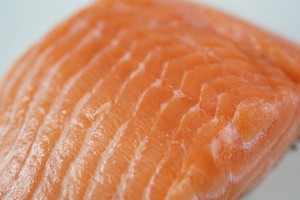
4. Salmon with Mustard-Dill Sauce and Roasted Kale
Wild-caught salmon is not high in calcium itself, but a 3-ounce portion of canned salmon with soft bones delivers around 200 mg. Pair it with a side of roasted kale: a cup of raw kale collapses to about a half-cup when cooked, providing roughly 180 mg of absorbable calcium. Make a quick sauce with plain yogurt (another calcium source), Dijon mustard, and fresh dill. The combination of vitamin D from the salmon, calcium from the kale and yogurt, and healthy omega-3 fats makes this a multi-target meal for hormonal balance and cognitive clarity.
5. Tahini-Roasted Cauliflower with Chickpeas
Tahini—ground sesame seeds—delivers about 130 mg of calcium per two tablespoons. Toss cauliflower florets and canned chickpeas in a tahini-lemon-garlic paste, then roast at 400°F until deeply caramelized. Cauliflower provides sulforaphane, a compound that has been shown to support detoxification pathways and reduce oxidative stress in the brain. The chickpeas contribute fiber and magnesium, which helps relax blood vessels and supports steady oxygen delivery to brain tissue. This meal is also naturally rich in boron, a trace mineral that aids calcium metabolism during perimenopause.
6. Yogurt-Berry-Pumpkin-Seed Bowl
Plain, unsweetened whole-milk yogurt is one of the most bioavailable sources of calcium—a single cup offers around 300 mg. Avoid flavored yogurts, which are often loaded with added sugar that can worsen brain fog. Top with fresh or frozen berries (rich in anthocyanins that protect neurons), a tablespoon of pumpkin seeds (provide zinc and magnesium), and a splash of unsweetened almond milk fortified with calcium. Pumpkin seeds also contain tryptophan, a precursor to serotonin, which can help stabilize mood swings that often travel alongside cognitive fogginess.
7. Spinach and Mushroom Quiche with a Nut Crust
Three large eggs provide about 60 mg of calcium, but the real star here is the spinach: one cup of cooked spinach packs 240 mg of calcium. Sauté mushrooms and onions, wilt in several handfuls of fresh spinach, then pour over a crust made from almond flour and olive oil. Mushrooms are one of the few non-animal sources of vitamin D when exposed to UV light during growing—check the label for UV-exposed varieties. The eggs provide choline, a precursor to acetylcholine, a neurotransmitter critical for memory and recall. This quiche can be made ahead and eaten for breakfast, lunch, or a quick dinner.
Why Calcium Matters for Brain Fog in Menopause
Estrogen decline affects how your brain uses glucose, and it also alters the regulation of calcium inside nerve cells. Calcium is not just for bones—it is a signaling molecule that triggers neurotransmitter release. When calcium balance is disrupted, your neurons may fire sluggishly, leading to that sensation of mental slowness. The goal with these meals is not to flood your system with calcium, but to provide a steady, food-based supply alongside the nutrients that help your body partition it correctly.
A quick caveat: If you have a history of kidney stones or a parathyroid disorder, talk with your healthcare provider before significantly increasing dietary calcium from high-oxalate sources like spinach and collard greens. For most women, however, food sources of calcium are well-tolerated and far safer than high-dose supplements, which have been linked to vascular calcification in some studies.
How to Pair These Meals for Maximum Clarity
You do not need to eat all seven meals in the same day—rotate them throughout the week to keep your nutrient intake diverse. Try to combine a calcium-rich meal with a small amount of protein and healthy fat at each meal to stabilize blood sugar, because blood sugar swings are a major source of brain fog in menopause. Drink plenty of filtered water between meals, and limit caffeine after 2 p.m. to protect sleep quality, which is essential for cognitive repair.