
Waking up drenched, throwing off the covers, then shivering as the damp sheets turn cold—it’s a frustrating cycle familiar to many navigating menopause. While night sweats and hot flashes are a common part of this transition, they don’t have to completely derail your rest. What you drink in the hours before bed can be a surprisingly simple lever to pull, either calming your system or inadvertently turning up the heat.
The goal isn’t a magical cure, but gentle support. Certain drinks can help hydrate, provide minerals that aid temperature regulation, or contain plant compounds that may offer a mild, soothing effect on the body's internal thermostat. It’s about choosing beverages that work with your physiology, not against it, as you prepare for sleep.
What makes a drink helpful for night sweats?
Before we look at specific options, it helps to understand the why. Useful bedtime drinks often share a few key characteristics. They are typically hydrating, replenishing fluids lost through sweating. Many contain magnesium or calcium, minerals involved in nerve function and temperature control. Some feature plant-based phytoestrogens, which are compounds that can have a mild estrogen-like effect in the body, potentially helping to moderate the hormonal fluctuations that trigger hot flashes. Crucially, the best choices are also free of the common sleep disruptors: caffeine and alcohol, both of which are notorious for provoking hot flashes and fragmenting sleep.
Seven calming bedtime sips
Think of these not as prescriptions, but as gentle, hydrating tools to experiment with. A warm cup can also become a powerful sleep cue, signaling to your body and mind that it’s time to unwind.
1. Cool water with a splash of juice
Sometimes the simplest solution is the most effective. Plain, cool water is essential for rehydration. If you find it too bland, adding a small splash of tart cherry juice or pomegranate juice can make it more appealing and provide antioxidants. Tart cherry juice, in particular, has been studied for its potential to mildly support sleep quality due to its natural melatonin content. The key is a small splash—just enough for flavor without a sugar rush.
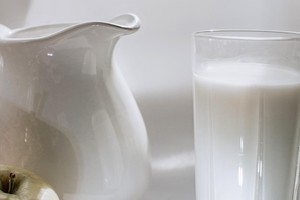
2. Soy milk (warm or cool)
Soy is a notable source of isoflavones, a type of phytoestrogen. Some research suggests that incorporating soy into the diet may help reduce the frequency and severity of hot flashes for some women. A small cup of unsweetened soy milk, gently warmed with a dash of cinnamon or nutmeg, can be a comforting, creamy ritual. Choose a brand that is simply soybeans and water to avoid added sugars.
Keep your drink beside the bed. If you wake up hot, taking a few sips of cool liquid can be instantly soothing and help you fall back asleep more easily.
3. Herbal tea: The champion of calm
This category offers immense variety. The act of sipping a warm, non-caffeinated tea is inherently relaxing. For menopause-specific support, a few herbs stand out.
Sage tea has a long traditional use for reducing sweating. Small studies have shown promising results for reducing hot flash intensity. Its flavor is earthy and robust.
Black cohosh tea is another herb with historical use for menopausal symptoms. It’s important to note that research on its efficacy is mixed, and it’s not recommended for long-term use. If you choose to try it, do so cautiously and discuss it with your healthcare provider, as it can interact with some medications.
For general relaxation, chamomile and peppermint are excellent choices. Chamomile is famed for its gentle sedative properties, while peppermint has a naturally cooling sensation that can feel refreshing.
4. Coconut water
When night sweats are significant, you lose more than just water; you also lose electrolytes like potassium and sodium. Coconut water is a natural source of these electrolytes, making it a smart choice for rehydration. Opt for a pure, unsweetened variety and keep it by your bedside in a small glass. A few ounces can be more replenishing than plain water after a severe episode.
5. Golden milk (turmeric latte)
This warm, spiced drink combines several supportive ingredients. The base is usually a milk of your choice (almond, oat, or soy work well), simmered with turmeric, ginger, a pinch of black pepper (to enhance turmeric absorption), and sometimes cinnamon. Turmeric and ginger are anti-inflammatory, and the overall combination is deeply soothing. The warmth can help relax tense muscles without overheating you.
6. Chilled oat milk
Oats are a source of magnesium and B vitamins, which support the nervous system. A small glass of chilled, unsweetened oat milk can be a light, cool, and slightly creamy option that’s easy on the stomach. Some find the beta-glucans in oats have a stabilizing effect.
7. Magnesium-rich mineral water
Not all water is equal in mineral content. Look for a naturally sparkling or still mineral water that lists a meaningful amount of magnesium (Mg) on the label. Magnesium plays a role in regulating the hypothalamus, the part of the brain that controls body temperature and sleep cycles. Sipping this in the evening is a no-fuss way to add a little extra of this crucial mineral.
What to avoid as bedtime approaches
Knowing what to skip is just as important as knowing what to sip. Steer clear of these common triggers in the 3-4 hours before bed:
- Caffeine: Found in coffee, black tea, green tea, chocolate, and many sodas. It’s a stimulant and a known vasodilator that can trigger hot flashes.
- Alcohol: While it might make you feel sleepy initially, it disrupts sleep architecture and causes a rebound effect that often leads to waking up hot and sweaty.
- High-sugar drinks: Sugary juices, sodas, or sweet cocktails can cause blood sugar spikes and crashes, which may disrupt sleep and trigger sweating.
- Very hot beverages: A scalding drink can raise your core body temperature, potentially setting off a hot flash. Let your tea or milk cool to a warm, not hot, temperature.
Creating your evening ritual
The drink itself is only one part of the equation. Pairing it with a consistent, wind-down routine signals to your nervous system that it’s safe to relax. About an hour before bed, put away screens, lower the lights, and enjoy your chosen beverage slowly. This mindful pause can reduce stress hormones that might otherwise exacerbate temperature dysregulation. Pay attention to how you feel after trying a new drink for a few nights. Your body will give you the best feedback on what truly supports your sleep.
Remember, these suggestions are part of a holistic approach to well-being during menopause. If night sweats are severely impacting your quality of life, a conversation with a healthcare provider is always the best step to explore the full range of supportive options available to you.