
Your pelvic floor is a sling of muscles and connective tissue that spans the bottom of your pelvis, supporting the bladder, uterus, and rectum. As the years pass, these muscles can gradually lose tone and strength, much like the muscles in your arms or legs. The tricky part? The signs often creep in slowly, so you might not connect them with pelvic floor weakness. Knowing what to watch for is the first step toward addressing it before it affects your daily life.
Below are six common warning signs that your pelvic floor may be weakening as you age. If any of these sound familiar, it is worth speaking with a healthcare provider or a pelvic health physical therapist.
1. You leak urine when you cough, sneeze, or laugh
Stress urinary incontinence — leakage with pressure on the bladder — is one of the most recognizable signals. It can happen during exercise, when you lift something heavy, or even when you laugh hard. This does not mean you must live with it. Simple exercises can often improve control, but the first step is acknowledging the leak is not normal at any age.
2. You feel a heavy or dragging sensation in the pelvis
Some women describe a feeling like something is falling out or a sense of pressure low in the pelvis. This can be a sign of prolapse, where the bladder, uterus, or rectum bulges into the vaginal wall. It may be subtle at first — a dull ache after standing for a long time — but it tends to worsen without intervention.
3. You have trouble holding in gas or stool
Bowel leakage and the inability to control gas can be embarrassing, so it often goes unmentioned. Yet anal sphincter weakness is a direct sign that the pelvic floor is not providing enough support. If you find yourself rushing to the bathroom more urgently than before, or occasionally having accidents, it is time to talk to a professional.
4. You feel pain or pressure during intercourse
Pelvic floor dysfunction can cause the muscles to become either too weak or too tight. Both extremes can make sex uncomfortable. Weak muscles may lack the supportive tone needed for comfortable penetration, while chronically tight muscles can cause pain. If intercourse has become painful or less enjoyable, your pelvic floor may be part of the equation.
5. You struggle to fully empty your bladder
Feeling like you still need to urinate right after you go, or having a weak stream, can indicate that the muscles are not coordinating properly. Incomplete emptying increases the risk of urinary tract infections and can lead to a constant feeling of needing to go. This is a sign that the bladder support and sphincter control are not working as they should.
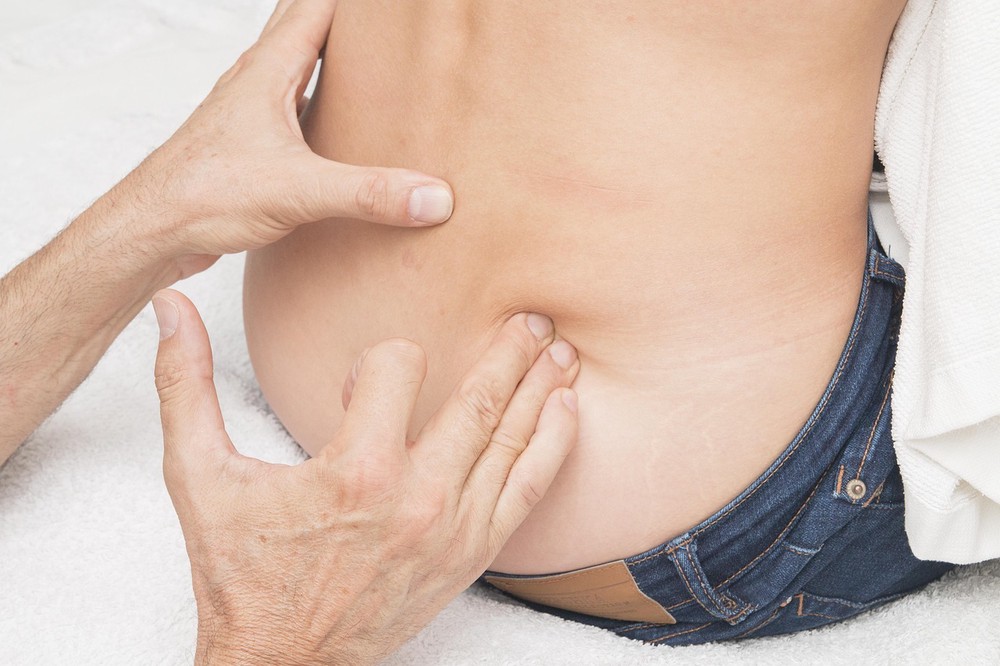
6. You notice a change in posture or low back pain
Your pelvic floor works alongside your deep abdominal muscles, diaphragm, and back muscles. When the pelvic floor weakens, your core stability suffers. You might notice more low back strain, a slight change in posture, or a feeling that your core is not as strong during everyday movements. This connection is often overlooked, but it is a real clue that the pelvic floor needs attention.
If you recognize any of these signs, do not dismiss them as an inevitable part of getting older. Pelvic floor rehabilitation, including targeted exercises, biofeedback, and lifestyle adjustments, can make a significant difference. A qualified physical therapist or pelvic health specialist can create a plan that fits your specific needs.