
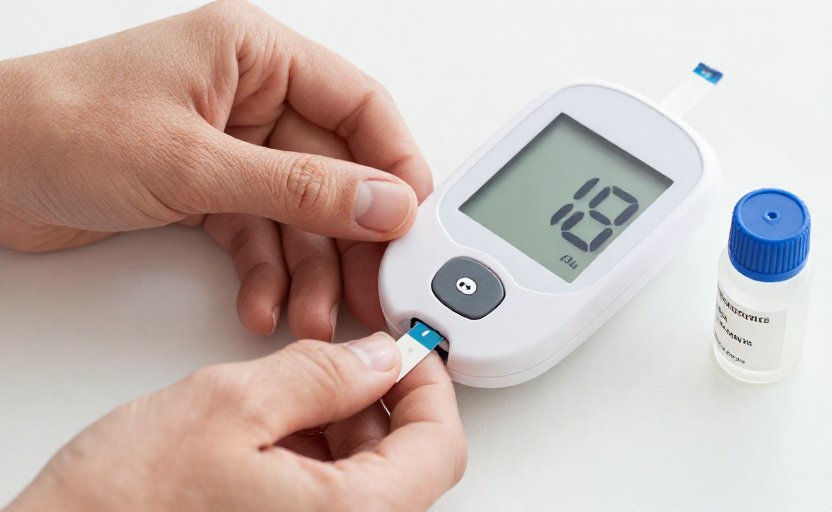
Blood glucose monitors are essential tools for managing diabetes, but like any piece of technology, they can sometimes give inaccurate readings. A faulty reading can lead to improper insulin dosing, unsafe lows, or uncontrolled highs. Knowing the subtle signs that your meter might be off can help you catch errors before they affect your health. Here are six warning signals every person with diabetes should recognize.
1. Your Result Doesn’t Match How You Feel
Your body often gives clues about blood sugar levels long before a number appears on the screen. If you feel shaky, sweaty, or confused—classic signs of hypoglycemia—but the meter says your glucose is normal or high, trust your symptoms first. Conversely, if you are experiencing intense thirst, fatigue, or blurred vision consistent with hyperglycemia and the reading is surprisingly low, the device could be wrong. Always cross-check a reading that sharply contradicts your physical sensations with a control solution test or a second meter if available.
2. Repeated Readings That Are Unlikely Given Your Routine
If you have not eaten, exercised, or taken medication recently, a dramatic jump or drop in glucose from a previous reading should raise suspicion. For example, going from a stable 120 mg/dL to 300 mg/dL in an hour with no explanation is unusual. Similarly, a reading that shows a sudden, extreme low right after a meal that normally raises your glucose deserves a re-check. Unexplained swings of more than 50 points in a short period (without a clear cause) warrant verification.
3. Your Test Strip Expiration Date Has Passed
This is one of the most common yet overlooked causes of meter errors. Test strips contain enzymes that degrade over time. Using strips beyond their expiration date can yield falsely high or low results. Even if the strips look fine, the chemicals no longer react properly with your blood sample. Always check the expiration date on the vial before every test—not just when you open a new bottle. Store strips in their original container away from heat and moisture to preserve their accuracy.
4. The Meter Has Not Been Cleaned in a While
Dust, dried blood, or debris on the test strip port can interfere with the electrical connection between the strip and the meter, causing an error message or an inaccurate result. To keep your device functioning correctly, gently clean the meter’s port with a soft, lint-free cloth or a cotton swab lightly moistened with water (never alcohol or cleaning fluids, which can damage components). Make it part of your routine: wipe the meter once a week or any time you notice a buildup.
5. Your Hands Are Not Properly Cleaned
Substances on your skin can contaminate the blood sample and skew results. If you have food residue, lotion, hand sanitizer, or even fruit juice on your fingers, they can interfere with the test. Always wash your hands with soap and warm water before a fingerstick, and dry them thoroughly. Alcohol wipes are a backup option but not ideal because residual alcohol can also affect the reading. When in doubt, wash.
6. The Meter Fails Its Control Solution Test
Control solutions contain a known amount of glucose and are designed to verify that both your test strips and meter are working together correctly. If you have any suspicion that your readings are off, run a control solution test following the manufacturer’s instructions. A result that falls outside the range printed on the solution bottle means your meter or strips are compromised. Keep a bottle of control solution on hand and test at least every few weeks or after dropping the meter—it is your most reliable way to confirm accuracy.
Quick tip: If your control solution test fails, do not use that batch of strips. Replace them and run the test again. If the new strips also fail, the meter itself may need repair or replacement.
Final Word
No blood glucose monitor is perfect, but being aware of these warning signs can help you spot potential inaccuracies before they lead to dangerous decisions. When in doubt, trust your body, re-test, and consult your healthcare team. Your health is too important to rely on a flawed number.