
Bringing your baby in for routine vaccinations is a major milestone in protecting their long-term health. While vaccines are rigorously tested and extremely safe, it is natural for parents to feel a little anxious about possible side effects. Most reactions are mild, temporary, and a sign that the immune system is doing its job. However, knowing which symptoms are normal and which ones require medical attention can help you respond with confidence and calm.
Understanding the difference between a common reaction and a more serious side effect can ultimately help keep your infant safe. Here are six warning signs that may indicate a vaccine reaction in infants, along with clear guidance on when to pick up the phone and call your pediatrician.
1. High fever that lasts more than a day
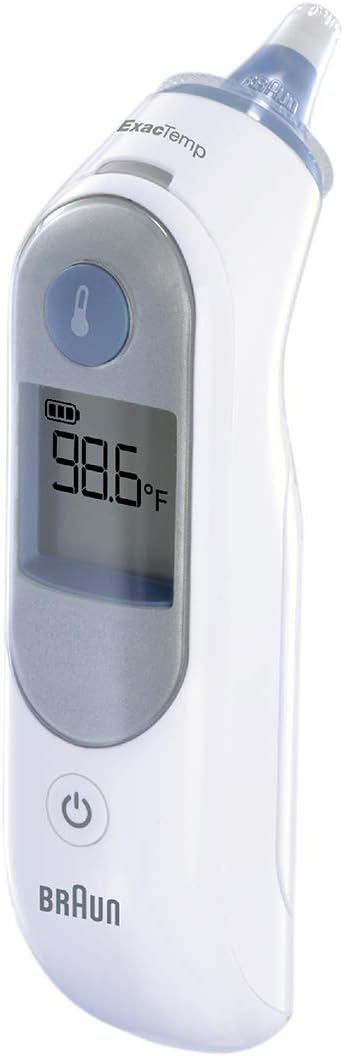
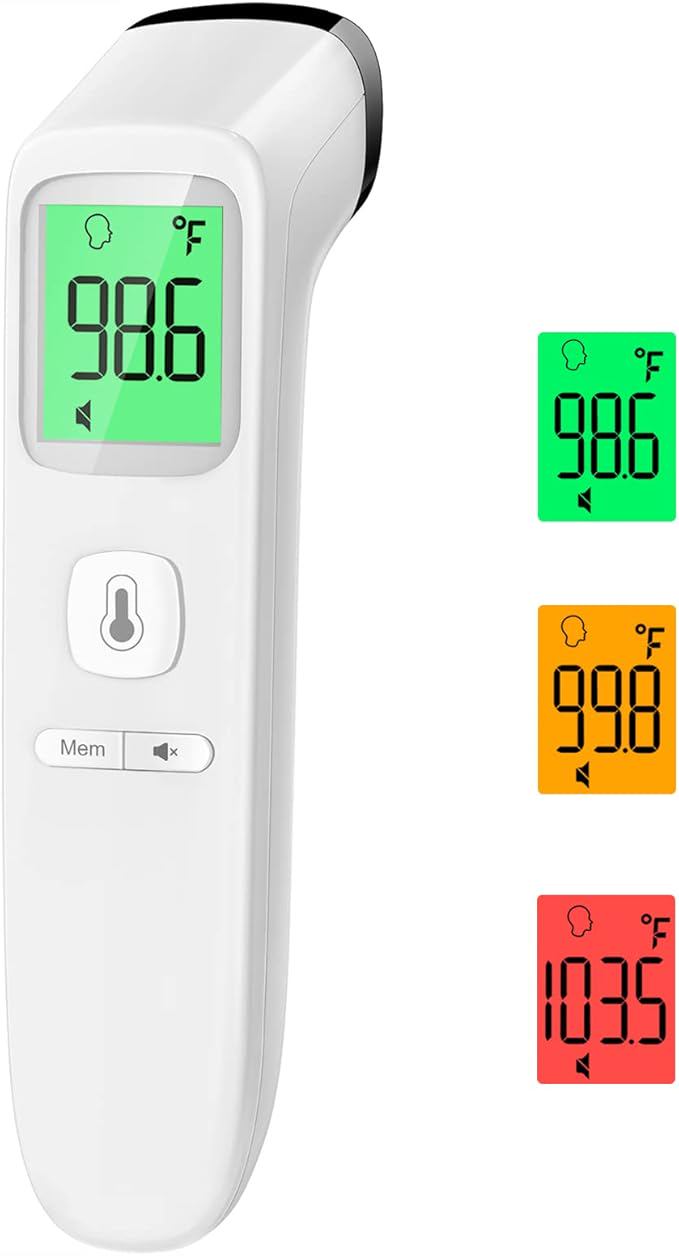
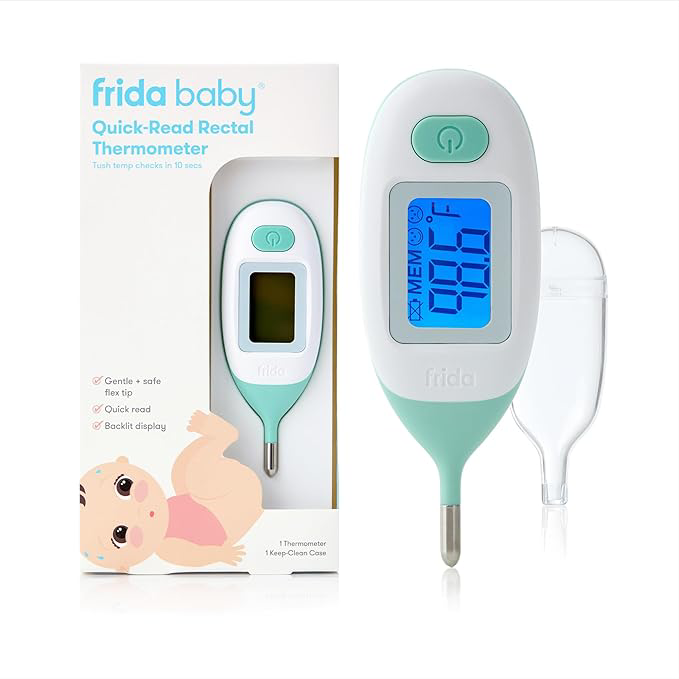
A low-grade fever is a very common response after many childhood vaccines, especially the DTaP and MMR shots. It usually means the body is building immunity. But if your baby’s temperature rises above 104°F (40°C), or if a fever persists for more than 24 to 48 hours, it may be a sign of a more serious reaction or an unrelated illness. A fever in an infant under three months old always warrants a call to your doctor, even if you suspect it is vaccine-related.
2. Persistent, high-pitched crying that is unusual for your baby
It is normal for a baby to be fussier than usual or to cry briefly after a shot. However, a distinct, high-pitched cry that continues for more than three hours—or a cry that sounds like a shriek of pain—can be a red flag. This type of crying is sometimes associated with a rare reaction to the pertussis component of the DTaP vaccine. If your infant cannot be soothed and the crying feels different than their normal tired or hungry fussiness, contact your doctor right away.
3. Swelling or redness at the injection site that worsens over time
Some swelling, warmth, or redness at the spot where the needle went in is common and often resolves on its own within a day or two. You may even notice a small, firm lump under the skin. However, if the red area grows larger than about one to two inches in diameter, or if the swelling spreads beyond a nearby joint (such as the thigh or upper arm), this could indicate a localized allergic reaction or infection. Call your pediatrician if the site feels very hot to the touch, becomes increasingly tender after 24 hours, or shows any signs of pus or fluid drainage.
4. A rash that appears suddenly and covers much of the body
Mild rashes are not uncommon after some vaccines, particularly the MMR (measles, mumps, rubella) shot, which can cause a faint, rose-colored rash about a week after vaccination. But a rash that appears within minutes to a few hours of the shot, especially if it is hives-like, red, and spreading quickly, may be a sign of an allergic reaction. Immediate medical attention is needed if the rash is accompanied by breathing difficulty, swelling of the face or lips, or a sudden change in behavior, such as unusual sleepiness or limpness.
5. Lethargy, extreme sleepiness, or limpness
It is typical for an infant to be a little tired or sleepy after a vaccination day—their body is working hard. But there is a difference between being drowsy and being difficult to wake. If your baby seems unusually lethargic, floppy, or listless, or if you have trouble waking them for feeding, this is a serious sign. A limp or unresponsive infant requires immediate medical evaluation. Do not wait to see if it passes; go to the emergency room or call 911.
6. Signs of an allergic reaction (anaphylaxis)
True allergic reactions to vaccines are rare, but they can happen. Symptoms usually appear within a few minutes to a few hours after the injection. Look for hives over a large portion of the body, swelling of the eyelids, lips, or tongue, difficulty breathing or wheezing, and a rapid heartbeat. Anaphylaxis is a medical emergency. If your baby shows any of these signs after a vaccine, seek emergency care immediately.
A quick reminder for parents: Keep a close eye on your baby for the first few hours after a vaccination. If you are unsure about a symptom, it is always better to call your pediatrician’s office for guidance. They are there to help you, not to judge.
When to call your doctor
Trust your instincts. You know your baby’s normal behavior better than anyone. Contact your healthcare provider if you notice any of the following:
- A fever over 104°F (40°C) that does not go down with a cool cloth or appropriate fever reducer (as directed by your doctor).
- Crying or fussiness that lasts longer than three hours and sounds unusual.
- A red, hot, or increasingly painful injection site that worsens after 24 hours.
- A skin rash that appears suddenly, especially if accompanied by other symptoms.
- Your baby seems extremely sleepy, limp, or hard to wake.
- Any symptoms that concern you, even if they are not listed here.
Most vaccine reactions in infants are mild and resolve on their own. But by knowing these warning signs, you can act quickly if something more serious occurs. Staying informed is one of the best ways to ensure your baby reaps the full benefit of immunization safely.